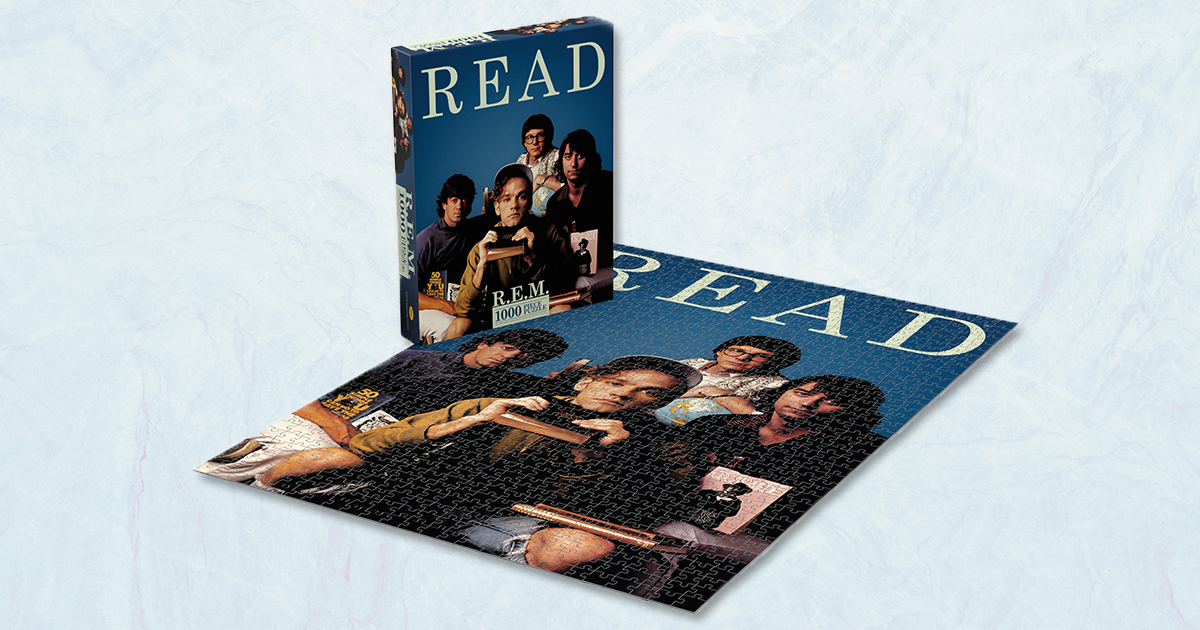
Get This R.E.M. Puzzle for the Shiny Happy People in Your Life

Thirty years ago, beloved rock band R.E.M. posed for the American Library Association (ALA)’s READ campaign to promote the joy of literacy, and the resulting poster became an instant collector’s item. Now, book lovers and music fans can enjoy this iconic image as a jigsaw puzzle, with all sales supporting literacy efforts.

On the poster, musicians Bill Berry, Peter Buck, Mike Mills, and Michael Stipe show off copies of their favorite books, including titles by Flannery O’Connor, Oscar Wilde, and Bruno Schulz.

“We were always excited to hear from friends and fans that the poster was hanging in their public library, community center, local bookstore, or in a classroom where their children attended school,” R.E.M. said in a press release.

The 1000-piece puzzle comes as more of us are spending time at home to mitigate risk of coronavirus transmission-and perhaps spinning 1987 R.E.M. album Document and contemplating if we really do “feel fine” as we face the uncertainty of life in a pandemic.

The timely gift is available for pre-order from the R.E.M. online store now and will be warmly welcomed by the rock and reading fans in your life. Products are expected to ship in plenty of time for the winter holidays.

Proceeds from the sale of the puzzle will support ALA’s advocacy and outreach efforts as well as Books for Keeps, a Georgia-based grassroots literacy organization.

“ALA is thrilled with R.E.M.’s continued support of libraries and literacy,” said ALA President Julius C. Jefferson, Jr. “The proceeds they’re donating to us will help support ALA’s mission, including providing youth with reading materials that transform lives and minds.”

Pre-order the jigsaw puzzle now from R.E.M.’s website, and visit the ALA Store to check out the latest celebrity READ posters.

A Mysterious Librarian is the Breakout Star of Netflix’s “Hilda”

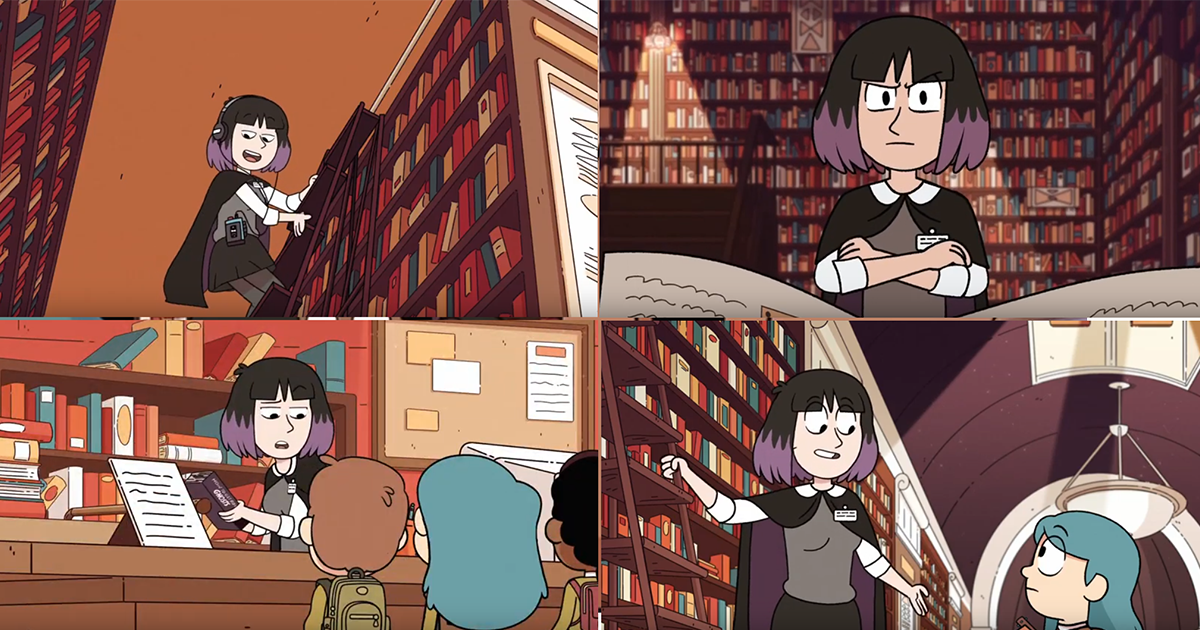
Two years ago, the animated series Hilda premiered on Netflix, and a minor character called “The Librarian” (voiced by Kaisa Hammurlund) quickly became a fan sensation. Although she only appears in about three minutes of the show’s first season, this feisty librarian has been mentioned in 20 fanfiction stories on Archive of Our Own and has a Tumblr blog dedicated to her. She has also been a subject of a lot of chatter among the fanbase, from Twitter to Reddit. The official Hilda Twitter account has described her as a mysterious librarian who has an unmatched, and extensive, “knowledge of cemetery records and mystical items.” Overall, this character is among the most positive pop culture depictions of librarians, along with fellow animated shows Cleopatra in Space and She-Ra and the Princesses of Power.

During the show’s first season, the characters spend only nine minutes at the Trolberg public library, but those scenes make a strong impression. In the show’s sixth episode, protagonists Hilda, David, and Frida travel to the library, searching for information to cure David’s awful nightmares. Before they can think of the right text, the librarian drops a book on a nearby table, telling them they will find it of interest, and slides away on a rolling ladder across the stacks. Once the group starts reading, they realize the book indeed contains the information they need. When Frida expresses her confusion with the librarian’s prescient actions, David tells her that it is her job to find what they need.

In the next episode, the protagonists journey to the library to learn about dragons. While Hilda laments that she would rather be in a “deep, dark forest,” her elf friend, Alfie, calls the library a “forest for the imagination”; Frida adds that research is the “greatest adventure of them all.” After Alfie locates the right book using the card catalog, he expresses his love of “a good subject-based classification system,” in keeping with the show’s portrayal of elves as comically fixated on paperwork and organization. This scene reinforces the impression from the previous episode that libraries are wonderous places of valuable information.

Much of the library’s screen time for the season takes place in the eighth episode. In the first scene, Hilda looks for a “cozy place” to read. Thanks to the instincts of her pet, Twig, she stumbles upon a hidden special collections room in the library, a space that comics writer Matthew Garcia calls “the real wonder” of the episode. Among the stacks, Hilda finds a spell book whose contents spur the plot of the episode. Afterward, she is reminded by the librarian that the reference books, like the spell book, cannot be circulated. Filled with enchantments, the books become, in Garcia’s words, a “creature of their own.” Alfie has several wonderful lines in this episode, calling libraries “thrilling temples of the unexpected.” Thanks to the information Hilda learned during her time in the library, she lifts the enchantment on her friend and mother just in time.

In the episode that follows, the protagonists visit the library again, searching for information following a possible encounter with a ghost. Before Hilda has a chance to ask for help, the librarian anticipates her question. After some hesitation, the librarian draws upon her extensive expertise about everything from local gravesite locations to ghost summoning rituals in order to assist the group. She gives Hilda the necessary materials to raise the dead, while warning her that she will be “piercing the veil” between the human world and the world of the dead. While she later calls this activity “fun,” she does so in order to help Hilda, a patron, with something important. The librarian’s actions in this episode highlight the responsibility of librarians to serve patrons to the best of their ability.

In the show’s final episode, we see the librarian walking across the streets of Trolberg. Whether she is goth, a witch, a vampire, a queer-coded character, or a version of Hilda from the future—all of which are popular theories among fans—there is no doubt she will have an important role in the show’s upcoming season, which will likely begin streaming on Netflix in either October or November of this year. In the end, the librarian in Hilda serves as a positive depiction of librarians in animation which eschews stereotypes, hopefully making clear the importance of librarians and libraries for years to come.

Subscribe to the I Love Libraries newsletter for more cool stories about libraries and librarians.

“Moana” Star Auli’i Cravalho Encourages Everyone to Get Counted in the 2020 Census

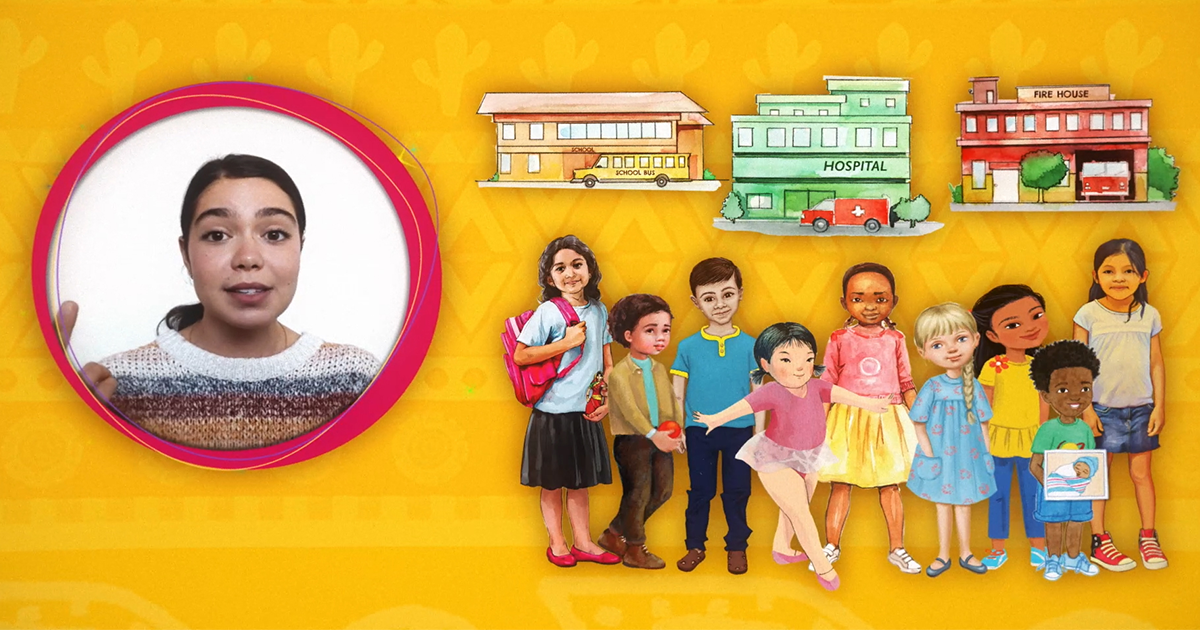
In a new read-along video from the American Library Association, Moana star Auli’i Cravalho shares why it’s so important for all of us to get counted in the 2020 United States Census.

In the video, she reads from WE COUNT! A Census Counting Book for Kids, (and the Grownups That Love Them), an interactive counting book with illustrations of diverse American families by artists representing their own cultural heritage.

“In the movie Moana the people of my island were counting on me, a young girl, to make a difference,” she shares. “Now our communities are counting on each and every one of us, young and old, to make a difference by taking the Census.”

The results of the Census will allocate billions of dollars in federal funding to local communities over the next decade, including more than $1 billion to libraries. The deadline for U.S. households to complete the Census has been extended until at least September 30, so it’s not too late to complete your questionnaire.

As of late August, only 64 percent of U.S. households had completed their Census forms. A complete count is necessary to ensure communities don’t miss out on billions of dollars in crucial funding for libraries, schools, healthcare, and other services-take a few minutes to make sure your household gets counted today.

Learn more about how libraries are supporting the 2020 Census.

Librarians’ Favorite Sci-Fi Books for Kids and Teens

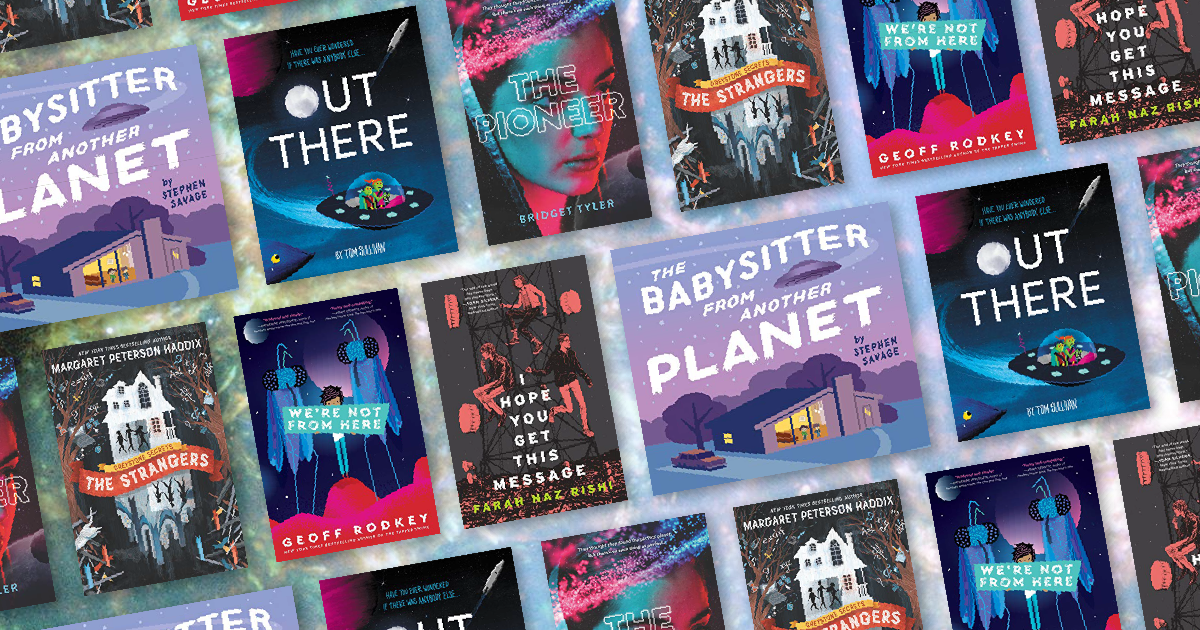
Members of the Library and Information Technology Association (a division of the American Library Association) have put together an out-of-this-world list of recent science fiction books for young readers. Their picks include options for kids of all ages, with titles aimed at readers from pre-school through 12th grade.

Here are there 30+ picks:

Books for Early Readers

Field Trip to the Moon, by John Hare

Hello, by Aiko Ikegami

How to be on the Moon, by Viviane Schwarz

Out There, by Tom Sullivan

The Babysitter From Another Planet, by Stephen Savage

The Space Walk, by Brian Biggs

Ultrabot’s First Playdate, by Josh Schneider

Good Boy, by Sergio Ruzzier

Llama Destroys the World, by Jonathan Stutzman (writer) and Heather Fox (illustrator)

Books for Kids Age 7 to 11

Awesome Dog 5000, by Justin Dean

Cog, by Greg van Eekhout

Field Trip (Sanity and Tallulah #2), by Molly Brooks

Friendroid, by M. M. Vaughan

Klawde: Evil Alien Warlord Cat, by Johnny Marciano & Emily Chenoweth

Maximillian Fly, by Angie Sage

The Owls Have Come to Take Us Away, by Ronald L. Smith

The Greystone Secrets #1: The Strangers, by Margaret Peterson Haddix

We’re Not From Here, by Geoff Rodkey

The Unspeakable Unknown, by Eliot Sappingfield

Seventh Grade vs the Galaxy, by Joshua S. Levy

Books for Kids Age 12 to 17

Alien: Echo, by Mira Grant

Aurora Rising, by Amie Kaufman and Jay Kristoff

Girls With Sharp Sticks, by Suzanne Young

The Hive, by Barry Lyga and Morgan Baden

The Pioneer, by Bridget Tyler

How We Became Wicked, by Alexander Yates

The Waning Age, by S.E. Grove

The Fever King, by Victoria Lee

War Girls, by Tochi Onyebuchi

I Hope You Get This Message, by Farah Rishi

Honor Bound, by Rachel Caine and Ann Aguirre

For more information about these titles, visit the Science Fiction Notables website.

Subscribe to the I Love Libraries newsletter for even more great book recommendations from librarians.

These Animated Shows Defy Library Stereotypes

When people think about librarians and libraries, they may point to films, live-action TV shows, or even novels. However, one area is often missed: animation. In Hollywood, stereotypes are plentiful, as librarians are used as “shortcuts to propel the plot forward,” in the words of Jennifer Snoek-Brown, author of the Reel Librarians blog. While this generally applies to animation as well, two recent shows buck those stereotypes, depicting libraries and librarians positively.

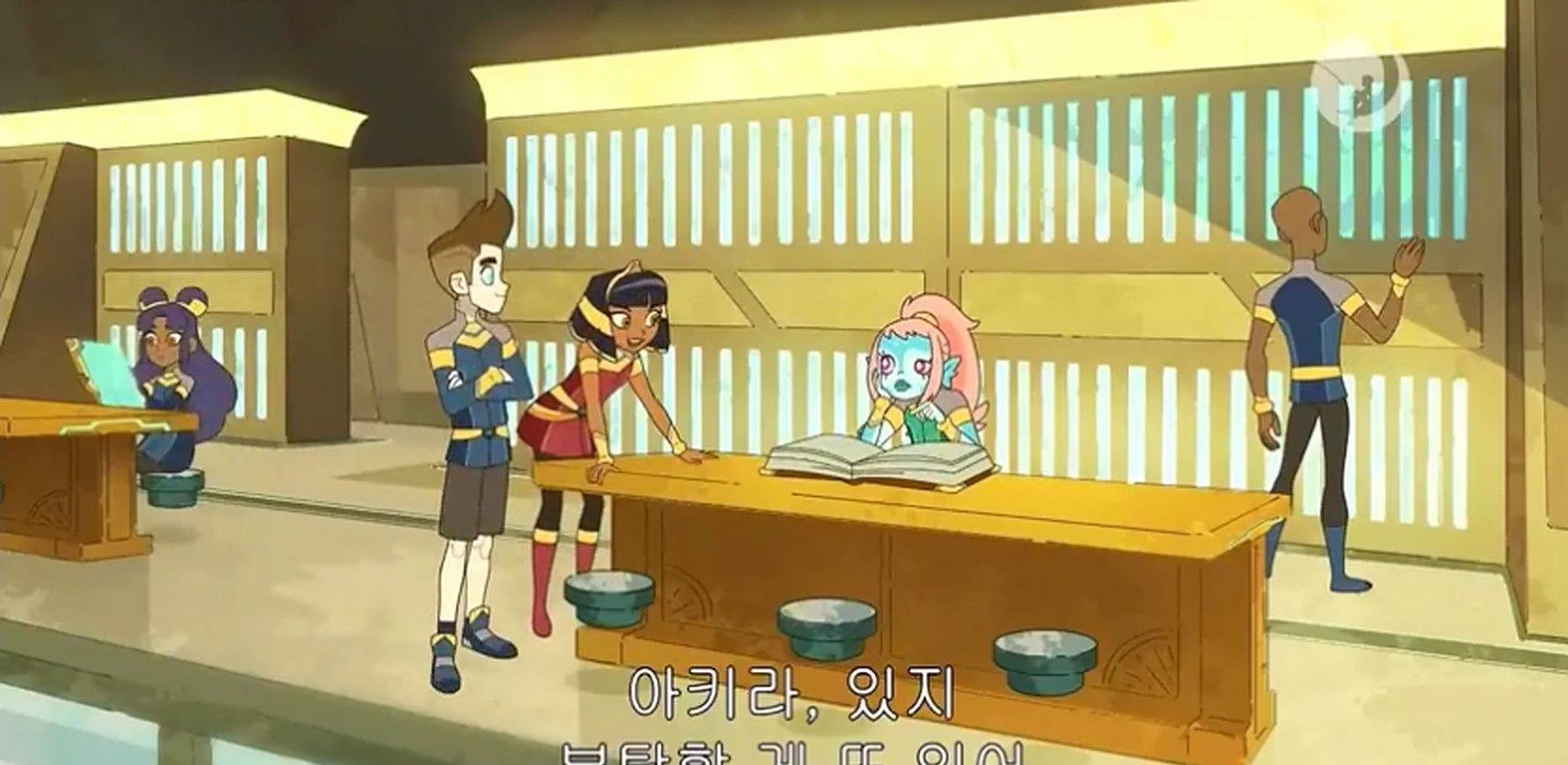
The first of these shows is Cleopatra in Space, loosely based on Mike Maihack’s graphic novel series and currently streaming on Peacock. The show follows teenage princess Cleo, who has been transported 30,000 years through time and space from Ancient Egypt into the Nile Galaxy. Wrestling with the newfound responsibility of being the “savior of the galaxy” prophesied to defeat the evil tyrant Octavian, she attends an Egyptian-themed futuristic high school on the planet of Mayet to hone her skills. While Octavian has destroyed most of the recorded knowledge available in the galaxy, Cleo’s school library still contains vital information. In the show’s third episode, Cleo travels to the school library after hours with her mentor Khensu, and two of her friends, Akila and Brian. Khensu shows her to the library’s Ancient Egypt section, with only a few physical records contained in a trunk, all accessible in holographic form. (In real life, these artifacts would be housed in a library’s special collections.) This positive depiction is possibly offset by what Cleo does next: dismayed by the lack of records about her homeland, she thinks about her dad, floats in the air, glows pink, then sucks all the electricity of the school and nearby city into her body, causing a massive power outage. The message of this moment is that libraries need adequate resources and support to assist the communities they serve-otherwise there will be information deficits which put patrons at a disadvantage. Libraries are also mentioned throughout the series as a beloved hangout space for one of the main characters. Akila likes to spend her time in the library studying and insists “all the cool students” spend time there too in the show’s 12th episode. In some ways, Akila reminds me a bit of myself in college: while in college, I extensively used the well-endowed campus library to study, research, and relax, even when some of my friends disliked it.

Cleopatra in Space screenshot

Cleopatra in Space characters study in their school library.

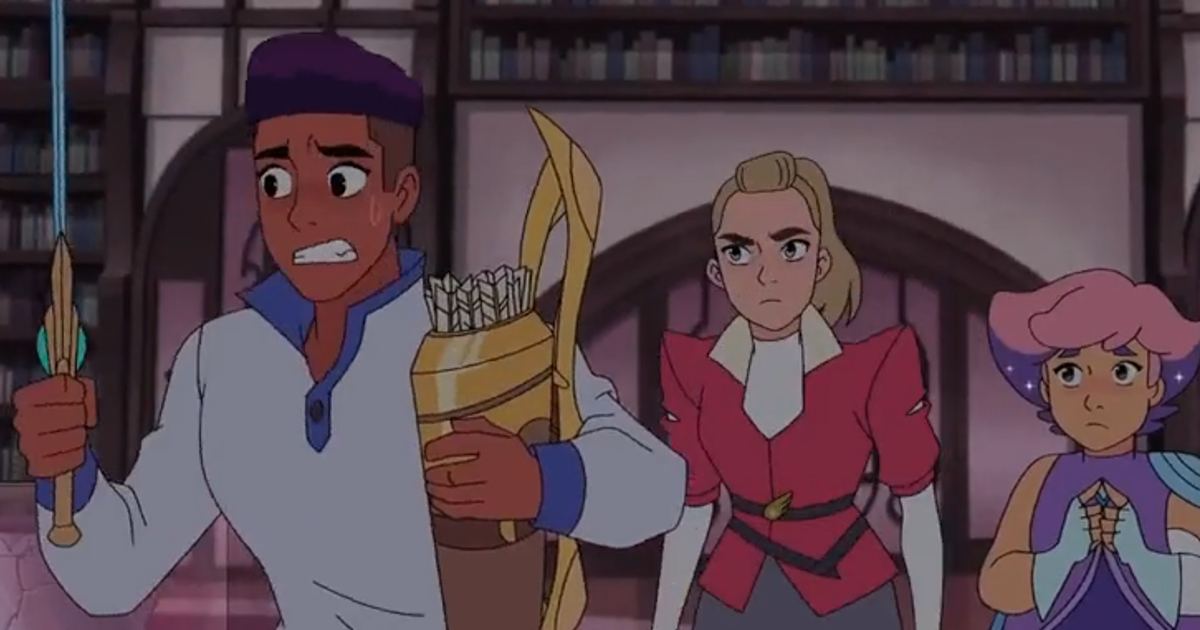
Another animated show, the recently concluded Netflix series She-Ra and the Princesses of Power, prominently features librarians in a few episodes. The season two finale focuses around two middle-aged gay Black librarians, George and Lance, and their library in a magical forest called the Whispering Woods. This portrayal contrasts with the original 1980s series, She-Ra: Princess of Power, where a stereotypical elderly white long-haired librarian aids the protagonists. George and Lance are fathers to Bow, one of the show’s protagonists; in the episode, Bow and his friends, Adora and Glimmer, work together with the librarians to translate an ancient message. Their efforts inadvertently release an elemental monster into the library, and in the havoc that ensues, Bow reluctantly reveals his true identity as an expert archer and rebellion fighter, a secret he has long concealed to his dads. While he expects his dads will rebuke him, they embrace him instead, accepting him for who he is-many viewers see this storyline as echoing family coming-out stories from the LGBTQ+ community. In the 10th episode of the show’s final season, Bow and Glimmer reconnect with the two librarians. Both recount their discoveries: an ancient rebellion against the planet’s first settlers and the existence of a fail-safe for the superweapon in the planet’s core. This information becomes vitally important in the effort by the show’s protagonists to stop the world (and universe) from being destroyed, setting the stage for the groundbreaking kiss in the final episode. On the whole, She-Ra and the Princesses of Power shows librarians as helpful, welcoming, and diverse, a refreshing antidote to more stereotypical media about libraries, which is all too common, even in animated series.

While these are only two examples, there are many more which I am continually reviewing on my blog, Libraries in Popular Culture. If you have any suggestions for popular media about or featuring libraries or librarians, feel free to email me at bhermann@mail.com.

Subscribe to the I Love Libraries newsletter for more fascinating stories about libraries and librarians.

The Baby-Sitters Club Cast Wants You to Visit Your Library (Online)

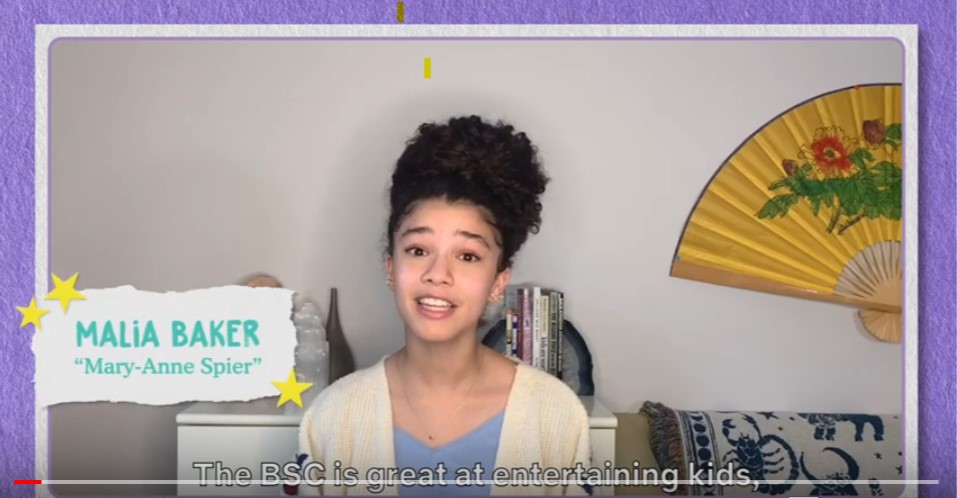
Stars from Netflix’s hit reboot of the Baby-Sitters Club have come together to record a video message highlighting all the amazing resources you can find for free on your library’s website.

“The BSC is great at entertaining kids, and so is your local library,” Malia Baker shares. Momona Tamada adds: “Libraries provide access to eBooks like the Baby-Sitters Club Series to keep kids reading outside of school.”

“They also offer great online educational programs for students of all ages,” Shay Rudolph says. Sophie Grace continues: “Libraries are great resources for summer reading and learning.” And, as Xochitl Gomez points out, libraries also “offer entertainment the whole family can enjoy together.”

Check out the full video:

The Baby-Sitters Club cast also recorded select readings from Ann M. Martin’s classic book series. Whether you’re a new fan of the books or re-reading them (again), join the read-along for fun stories.

For more awesome content about America’s libraries, subscribe to the I Love Libraries newsletter.

What Hollywood Gets Wrong (and Right!) About Librarians

by Jennifer Snoek-Brown, the real librarian behind Reel Librarians

Jennifer Snoek-Brown is an academic librarian in Washington state. She wrote an undergraduate honors thesis in 2001 called “A Glimpse Through the Glasses: Portrayals of Librarians in Film” and has continued analyzing the image of librarians in movies ever since. In 2011, Jennifer launched the website and blog, Reel Librarians, for which she writes and publishes twice-monthly posts. Here, she tells I Love Libraries about her favorite (and least favorite!) librarian portrayals in media.

What are some things Hollywood gets wrong in its portrayal of libraries and librarians?

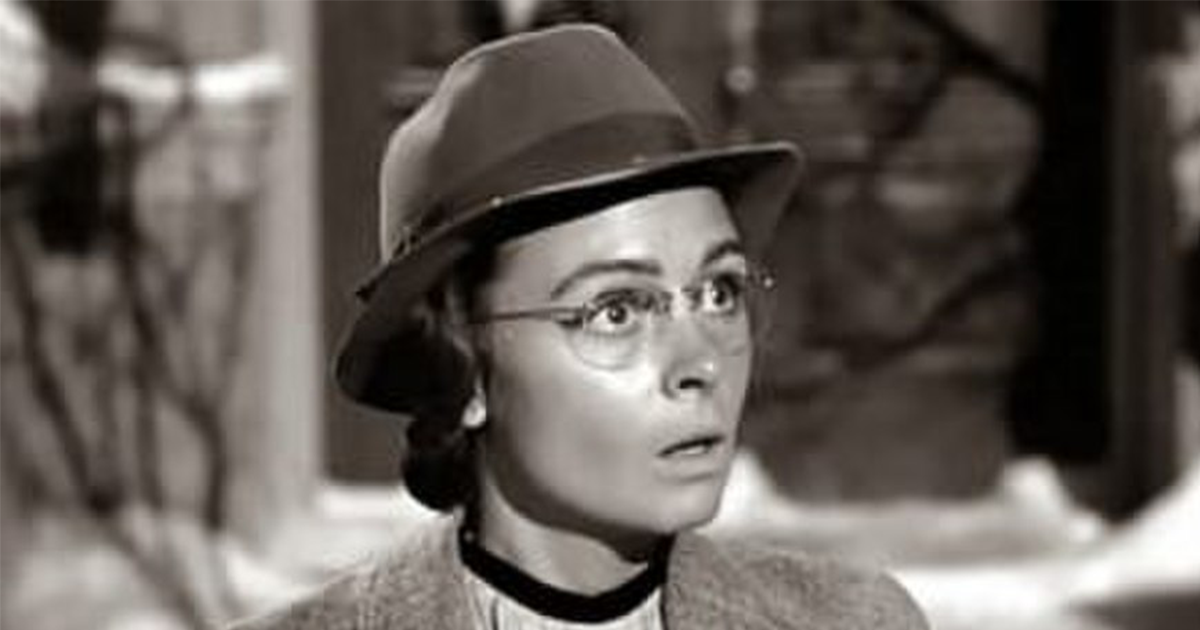
This is something that I’ve been thinking about since childhood. My mother is a (retired) K-12 school librarian, and when I was quite young, she went back to school as a working mother to earn her master’s degree in library science. I have vivid memories of her graduation ceremony, and how she then transformed our school library; therefore, I intrinsically understood the value of that library science degree. One of my favorite films growing up was the 1946 classic, It’s a Wonderful Life—but I would look at how (spoiler!) Donna Reed’s character, Mary, became a spinster librarian in that film, and then I would look at my mother and know that something didn’t add up. I knew that Hollywood was getting it wrong. But not everyone is so lucky to have a librarian role model that up close and personal in their lives!

I also frequently rail and wail on my blog about how often films and TV shows get library call numbers wrong! They mix up Library of Congress and Dewey Decimal call numbers together, they include books without call number stickers in a library set (major pet peeve!), they get call number clues wrong…you name it! I wrote a lengthy blog post about this, “The good, the bad, and the misshelved,” in which I go into more detail of how and when movies get call numbers right, when they get them wrong, and when they give up. 

What are some things Hollywood gets right in its portrayal of libraries and librarians?

I think Hollywood does sometimes get right the usefulness, trustworthiness, and purpose of librarians. Reel librarians, even in cameo roles, often are used as shortcuts to propel the plot forward. Let’s say a character needs a vital bit of information: where do they go? The library, of course! The audience then trusts when a librarian provides that information. That only works, in my opinion, because the public generally trusts librarians in real life. This ties into a concept called “existence value,” an economic term that describes when people find comfort knowing that certain services or professions exist, even if they don’t frequent them all that much. Libraries have a lot of existence value, and because of that, we librarians enjoy a lot of public trust. I think directors and screenwriters of movies often reflect the public trust and existence value of libraries—and in that sense, they get it right!

How has the portrayal of librarians in media changed over the years?

Over the years, many readers have asked about reel librarians of color, and this is an area I keep track of (see my posts here in 2013 and 2017). We librarians have a long way to go in diversifying our profession—both on and off screen!—but generally, I would say that portrayals of librarians in film are becoming more ethnically diverse. As far as I have been able to ascertain, the first reel librarian of color appeared in the film noir classic, Pickup on South Street (1953), in which Jaye Loft-Lyn, an African-American man, was onscreen a few seconds as a Microfilm Library Clerk.

But, of course, greater representation does not always equal progress. In real life, we librarians are actively trying to recognize and acknowledge when our professional policies have furthered systemic oppression against under-represented groups. I’ve witnessed a shift in films highlighting, even in smaller roles, how librarians can reflect social biases and discrimination—and how librarians, and society at large, are in the wrong for doing so. In Hidden Figures (2016), there is a brief, but pivotal, scene in which Octavia Spencer’s character enters the “whites” section of the library because the “colored” section doesn’t have what she needs. A librarian refuses her service, reflecting the institutional barriers that people of color have to navigate on a daily basis. But these barriers are cracking, brick by brick and book by book—and film by film!

I also think the variety of media—such as independent films, television movies and miniseries, and web series—have added to the variety and depth of reel librarian portrayals. For example, Party Girl (1995) was a major independent film hit focusing on a “party girl” going on a journey of self-discovery by realizing she’s meant to be a librarian (there were clues along the way, of course: she organized her vintage denim collection!); the film featured a diverse cast of librarians, both in terms of ethnicity, age range, and variety of library experience. Witnessing a pivotal scene in Party Girl in which librarians banter the pros and cons of different library science programs is thrilling (as a librarian!) to watch, and I don’t think such a realistic yet playful scene would have been possible before in the old Hollywood studio system. The recent independent film, The Public (2019), written and directed by, and starring, Emilio Estevez, focuses on the different ways public librarians interact with patrons who are experiencing homelessness. It’s not often you see a movie that reflects such true-to-life, complicated issues and relationships between librarians and the different public communities we serve. 

Do you have any “guilty pleasure” portrayals of librarians in Hollywood?

I don’t subscribe to pleasures being “guilty”—there’s no such thing in my world. Love what you love, with no apologies! And perhaps because of that, I really appreciate genre films that really lean into their genres. For example, I really enjoyed watching National Treasure (2004), which is admittedly a very silly and fun action-adventure film, and it totally owns that popcorn flick pedigree. It also boasts the lead character of Dr. Abigail Chase, head archivist at the National Archives, a role played with absolute commitment and gusto by Diane Kruger. Although it sends a shiver down my spine to see an archivist don white gloves to spread lemon juice on a priceless historical document, I really enjoy this archivist portrayal and the film in general.

There are a few classic films that also happen to have unfortunate portrayals of librarians. I’ve already mentioned It’s a Wonderful Life, which is a wonderful film indeed, but oh, the 30 seconds of spinster librarian infamy in its second half! One of the greatest films ever, Citizen Kane (1941) also includes a really negative reel librarian, Georgia Backus as Miss Anderson, the no-nonsense librarian and rules-spouting gatekeeper of the Thatcher Memorial Library of Philadelphia. 

Once you start looking for reel librarians, we’re everywhere! And if you do come across a librarian in a film, please let me know about it, at reel.librarians@gmail.com. I love getting suggestions and tips from readers! You can also sign up to be automatically notified via email of the twice-monthly blog posts on the Reel Librarians home page.

To see more highlights (and lowlights) from Hollywood’s portrayal of libraries, visit the Reel Librarians Best & Worst list. And for more fun stories for library lovers, subscribe to the I Love Libraries newsletter.

Visit this Library’s Virtual Branch in Animal Crossing: New Horizons

With coronavirus continuing to spread, in-person gatherings are off the table-but one librarian in South Carolina is using video games to bring her community together virtually.

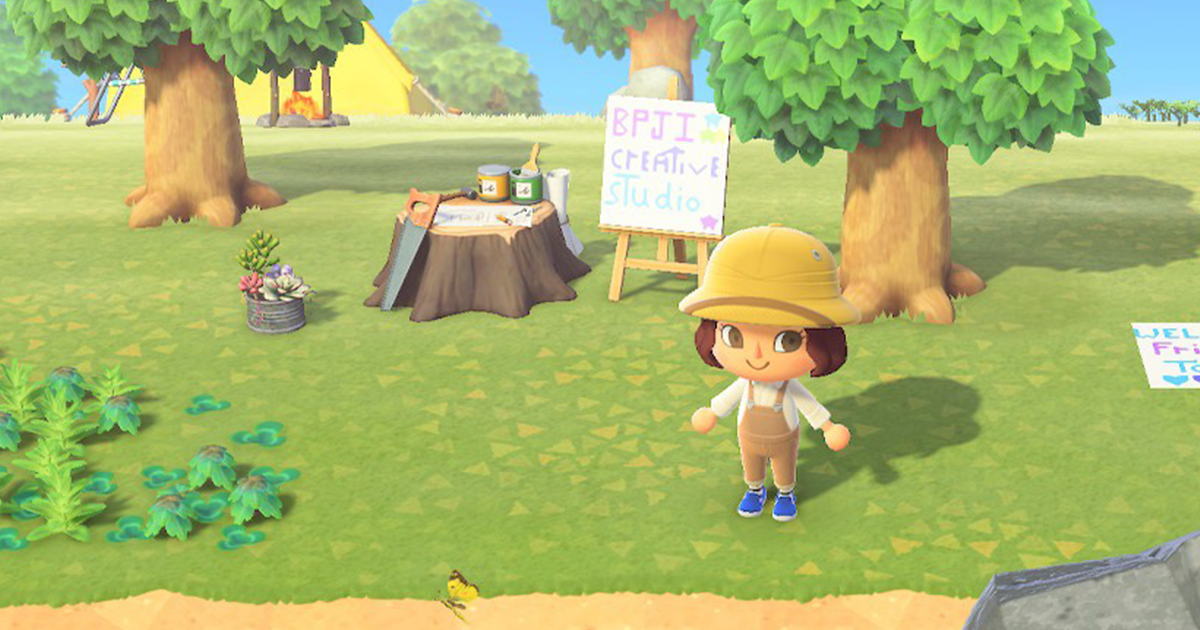
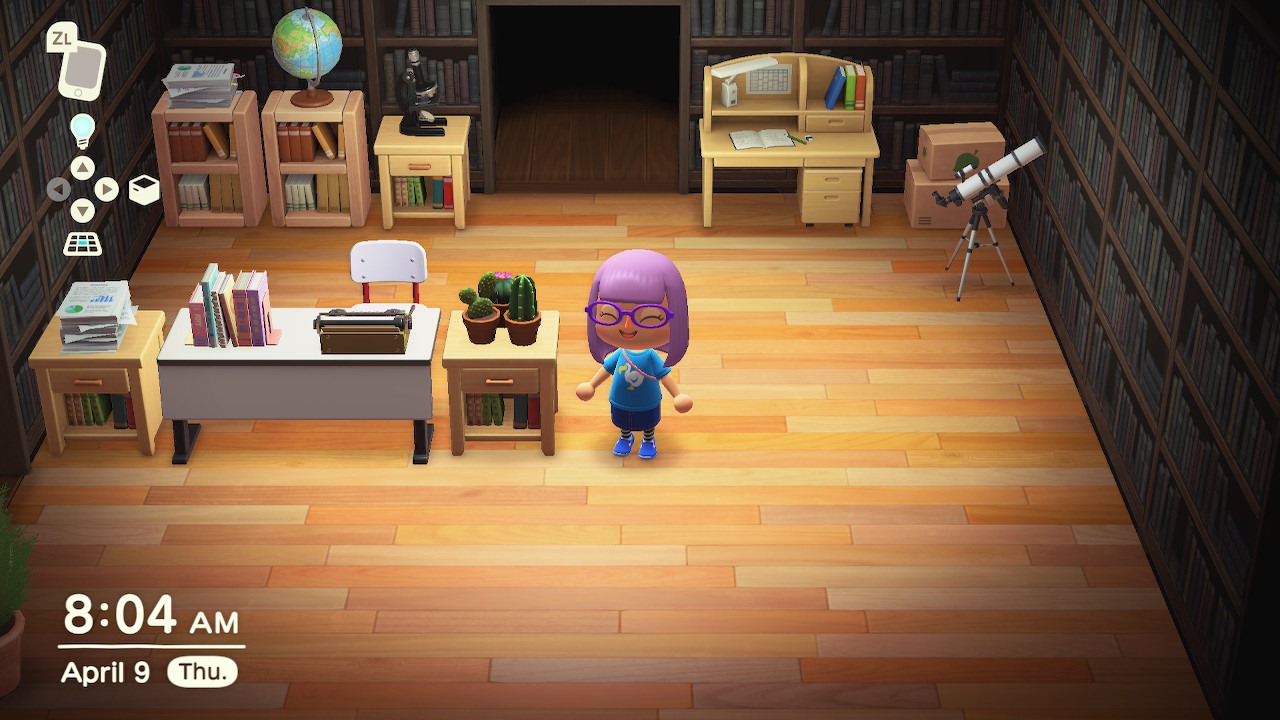
Tina Chenoweth, Young Adult Services Manager at the Baxter-Patrick James Island branch of Charleston County Public Library, has been recreating her library in the popular new video game Animal Crossing: New Horizons. In the game, players move to a deserted island, construct buildings and infrastructure, and make their own furniture and decorations. Players across the world can use an online code to visit each other’s islands to explore, exchange resources, or just socialize.

“Even if there weren’t a pandemic happening, I absolutely would have incorporated Animal Crossing into our regular programming because I see it as a great way to get people working together toward a common goal,” Tina told I Love Libraries. “Then the pandemic happened and added that extra layer of interacting with people of all ages we can’t see in person and really made the whole idea that much more meaningful.”

In Animal Crossing, players are given a plot of land on their island where they can build their house; Tina has repurposed hers as a library, complete with a children’s area in a separate room. The island also features an outdoor creative studio with a crafting table that players can use to create their own tools and decorative objects, as well as a bulletin board where players can leave messages for other visitors.

A screenshot from the video game Animal Crossing featuring a library with bookshelves, a telescope, and a globe

BPJI patrons have been loving visiting the library’s island-many have even created virtual items to “donate” to the space. “Patrons and visitors have been super supportive. In fact, almost all the bookcases, the library wallpaper, and a good portion of the decorations in the library were supplied by patrons,” Tina shared. “One visitor kept flying back and forth between BPJI’s island and his own island in order to ferry supplies. It’s so heartwarming!”

The virtual library is one of many offerings Tina’s library has created or expanded in light of COVID-19. “CCPL has rolled out an impressive virtual programming lineup that includes regular storytimes along with exercise, journaling, poetry, cooking, craft programs, and more,” Tina said. “Our patrons still have access to Wi-Fi in our parking lots, as well as access to our digital resources, and we recently began offering a new remote telephone service as well.”

Looking ahead, Tina hopes to continue building the library’s island to be even more fun and engaging for visitors, and to more closely resemble its in-person counterpart; one future project she’s considering  is to add a learning lab/PC room like the one at the brick-and-mortar BPJI branch. She might also start stocking the virtual branch with in-game “DIY recipes” (items that let players create new furniture or decorations) for patrons to use in their own gameplay-sharing free information and resources with her community just as real-life libraries do every day.

Animal Crossing players can visit the BPJI island using the library’s Nintendo Switch friend code, 0912-2261-5044. For more stories about innovative and creative libraries, subscribe to the I Love Libraries newsletter.
Experience Hogwarts with This Virtual Library Escape Room

Libraries across the country are closing their doors to slow the spread of COVID-19, but that doesn’t mean they’ve stopped serving their communities. One library in McMurray, Pennsylvania created an online Harry Potter escape room to keep local teens entertained at home.

Peters Township Public Library’s digital escape room includes a variety of magic-themed puzzles, set during your first year at the Hogwarts School of Witchcraft and Wizardry. You can complete it alone or in a group—or even compete with friends to see who gets the fastest time.

Sydney Krawiec, Youth Services Librarian at PTPL, designed the virtual escape room after Pennsylvania’s public libraries closed in March. She had designed several in-person escape rooms in the past (including two with a Harry Potter theme), so she decided to try creating one online. “As my colleagues and I started brainstorming ways to share resources and do digital storytimes, I kept wishing we could provide something that would bring a family together in a more interactive way than just watching a screen,” she told I Love Libraries. “I wanted to start a conversation.”

In addition to the escape room, PTPL staff are working hard to keep Peters Township residents connected, informed, and entertained. “We are doing our best to issue library cards via email and share out additional resources to our community during this time,” Sydney said. “Staff members have done virtual storytimes and we are working on bringing more programming to our patrons.”

To hear about how libraries are serving their communities amid the coronavirus pandemic, subscribe to the I Love Libraries newsletter.
Make Your Own READ® Poster with This Free Tool

Since the 1980s, celebrities from David Bowie to Oprah have posed with their favorite books for the American Library Association’s READ® poster series. Now anyone can join the fun with this free tool from ALA Graphics, which lets you add your own photo to a customizable READ® poster background.

Download the template file and add your favorite photo of yourself, your friends, or even your pet; you can move around the text balloons and add extra confetti to make your poster extra festive. You can use any photo editing program that can open PSD files (including free Photoshop alternatives like GIMP).

For the best results, start by taking a photo against a solid-colored backdrop with plenty of contrast to make it easy to erase the background. Need help getting started? Check out this video tutorial for step-by-step instructions. 

Once you’ve completed your masterpiece, post it on Twitter using the hashtag #CelebrateReading and tag @ALA_Graphics. We can’t wait to see what you come up with!

Check out the ALA Store’s current selection of READ® posters, which feature Gal Gadot, Daveed Diggs, John Cena, and more.