Each month on our “How I Library” podcast, we talk with writers, actors, filmmakers, comedians, and more about everything from the work and passions to their favorite library memories and how they use the library and beyond. We also discuss the epidemic of book bans that’s engulfing the United States currently.
This Banned Books Week, we look at some past “How I Library” guests and their thoughts on book bans and censorship that they shared on the podcast. Not surprisingly, they all have strong opinions about this heinous occurence and are all allies in this fight for the freedom to read.
Ethan Hawke
Actor (“The Lowdown,” “Blue Moon,” “Dead Poets Society,” “Reality Bites”), director, and author
“People in a culture in society that is so afraid of ideas—they’re raising their hands and announcing how much trouble we’re in. We needn’t be afraid of ideas.
“Children are remarkable. I have four of them. They’re unbelievably discerning. Every human being has such beauty and curiosity, and we can handle the truth. The truth will set us free.
“We’re intelligent enough to understand content. We needn’t be afraid of ideas. Ideas are here to help us. When we turn off our past, our collective intelligence of the past, we’re closing doors and shutting ourselves in the closet and we’re really being idiots.
“I’m grateful to everyone who’s fighting these bans, because it’s the mark of a troubled society that is scared to talk and is scared of ideas.”
Listen here.

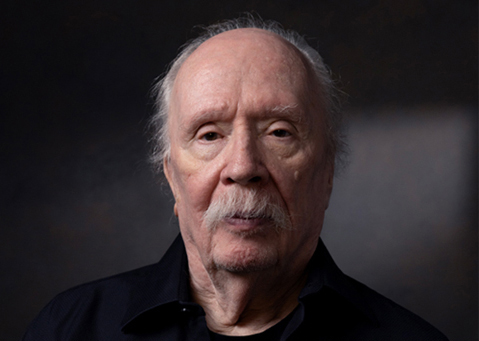
John Carpenter
Director of the films “Halloween,” “The Thing,” “The Fog,” “They Live,” “Trouble in Little China,” “Price of Darkness,” “Escape from New York,” “Starman,” “In the Mouth of Madness,” and musician
“It’s a compulsion of humanity to ban things that threaten you. We just have to fight it. We can’t convince these people they should stop or that this country is based on the freedom to read whatever you want to.”
Listen here.
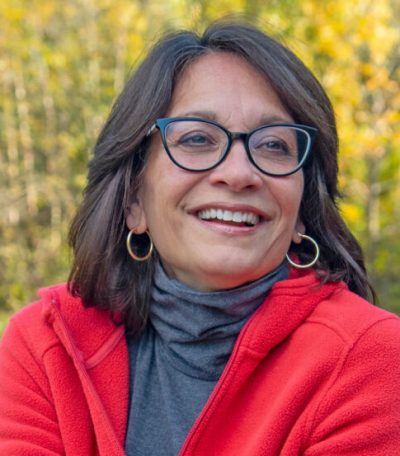
Meg Medina
Author of “Merci Suárez Changes Gears,” “Evelyn Del Rey Is Moving Away,” “Yaqui Delgado Wants to Kick Your Ass,” and the 2023-2023 National Ambassador for Young People’s Literature
“There was a time when authors were like, “Sure ban my book, more sales for me,” but I think that’s feeling has really changed. There’s a deep sadness within the children’s lit community that people are getting in the way of children’s right to read; that people are making decisions for all people’s children; and how we walk ourselves back from this fractured and dangerous way of thinking about books and ideas and children.”
Listen here.
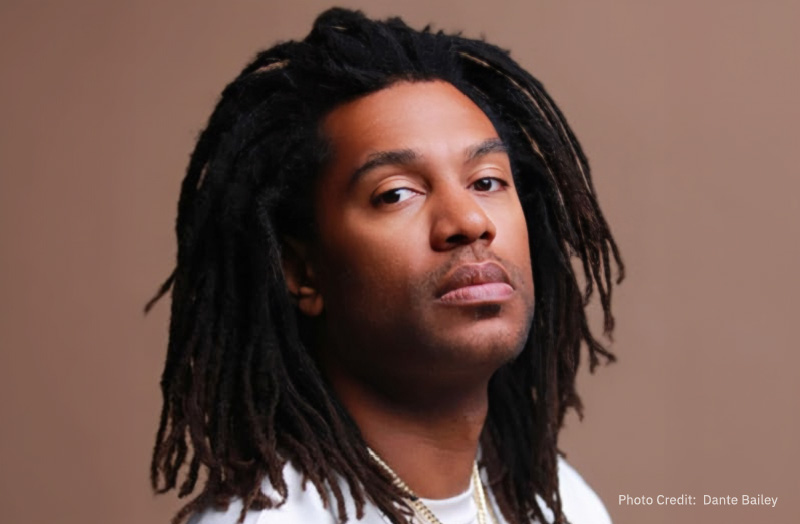
Nick Brooks
Author of “Promise Boys” and “Up in Smoke”
“This is a type of warfare. That’s why it’s important to talk about the idea of activism and revolutionaries. There is a side that’s treating this like war. And it’s time to fight back.”
Listen here.
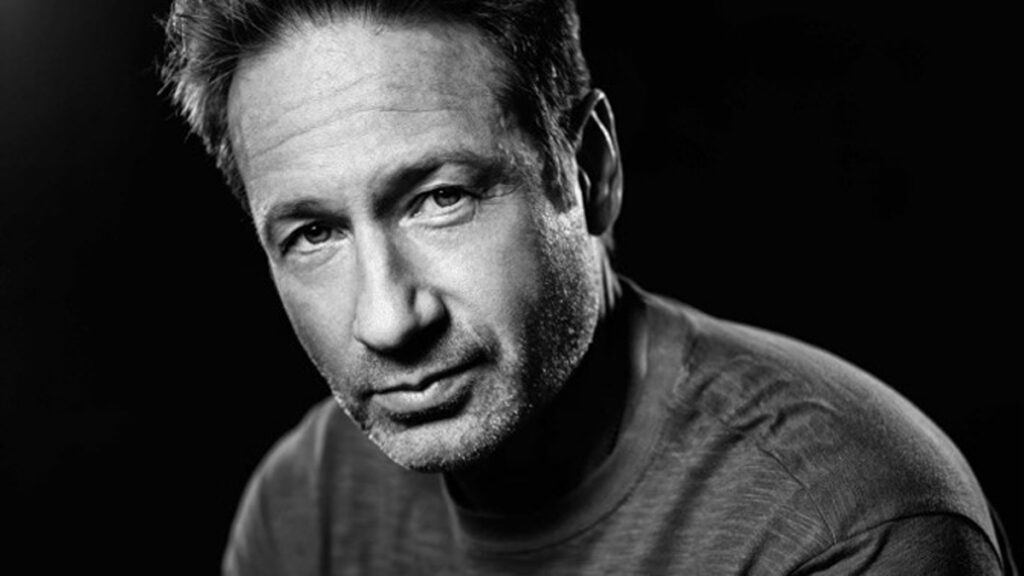
David Duchovny
Actor (“The X-Files,” “Californication”) musician, and author of “About Time: Poems”
“It’s hard to imagine the desire to ban a book. It’s hard to imagine actually going out into the world to ban a book. I go back to the “Areopagitica,” John Milton’s defense of free speech, free written speech, where he says that if you cloister a mind, if you ban books that disagree with the prevailing sense of what is right and wrong or what is religious or not religious or what is affecting young people of not affecting young people; if you cloister that mind, you leave it weak and undefended.
“You have to go out into the marketplace of ideas and decide which one works for you. You can’t spoon-feed people. You can’t spoon-feed a culture. You’re going to get shit, you’re going to get propaganda, which we get a lot, I think.”
Listen here.
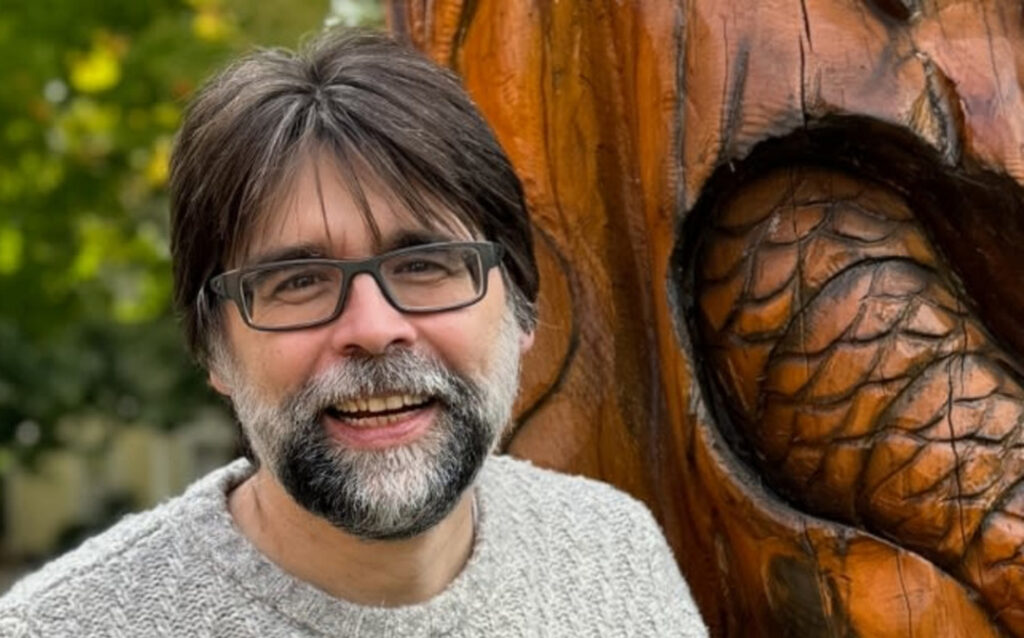
Joe Hill
Author of “The Fireman,” “NOS4A2,” “Horns,” “Heart-Shaped Box,” “Strange Weather,” and “King Sorrow”
“Book banning is stupid and wrong, and it’s almost always about people who have an intense set of beliefs and ideas and believe that a different set of ideas will do harm and they world will be a better place if you can just shut the other side up. If the other side would just stop talking, we could have safety and peace and happiness. But that’s not how grown ups have conversations. It’s actually produced the opposite effects of what people are hoping for. It’s not good to have a one-sided conversation.
It’s important to make room for voices and ideas and stories even if they’re not your story or even if they’re ideas that even if your knee jerk response if “I don’t like that.” That’s part of having an informed cultural conversation.
Listen here.
Min Jin Lee
Author of “Free Food for Millionaires,” “Pachinko,” and “American Hagwon”
“I think that they’re not going to get away with it. They’re not going to prevail. These book bans have happened since the beginning of time. This auto-da-fé; this idea of book burnings has always happened when you have an autocracy. And they have lost ultimately.
“It’s important for us to remember in history that when they try to suppress ideas, it’s because the ideas are very strong, which means we should redouble our efforts.”
Listen here.

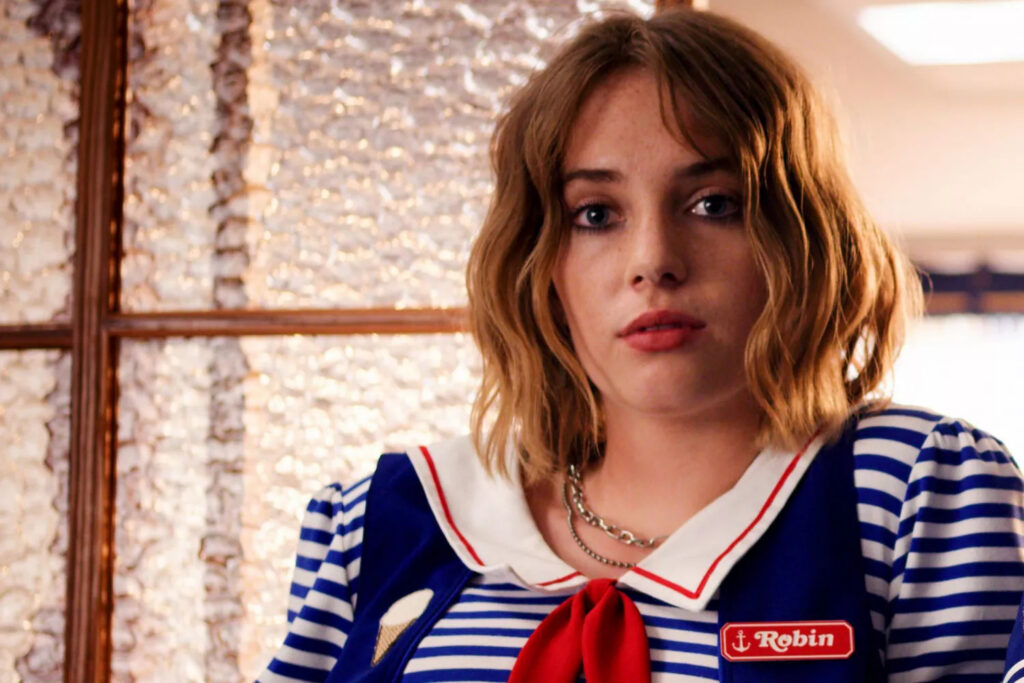
Maya Hawke
Actor (“Stranger Things,” “Wildcat”) and musician
“What so crazy is, if we’re going to start talking about book bans, we’ve got to start talking about phone bans. It seems like the primary amount of book bans are about children’s safety, and the idea that you’re concerned about a child going into a library and picking out a book; being alone in a library; and you won’t be able to control what book they check out.
“But if a child is alone in a library, that means they probably have a phone. And if they have a phone, they have a slew of problems way worse than the book they might check out at the library.
“Book bans are ridiculous. There are a lot things we should ban before we start think about banning books. It’s so sad to think about what’s happening; how depressed it’s making librarians and the people who are trying to run these institutions on so little money and so little assistance. It’s awful.”
Listen here.
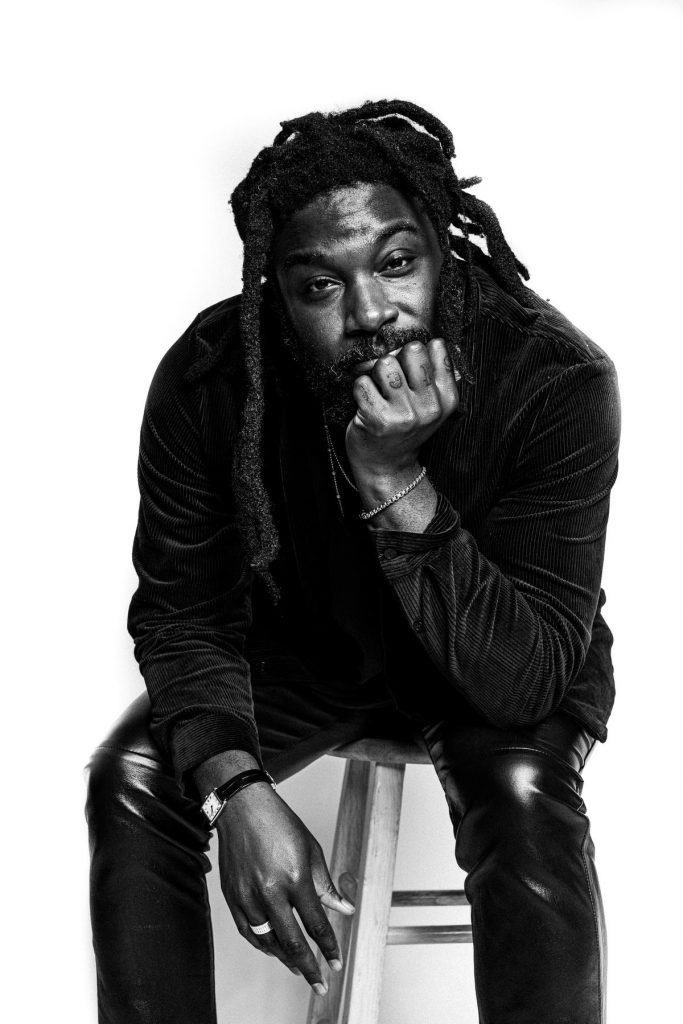
Jason Reynolds
Author of “Look Both Ways: A Tale Told in Ten Blocks,” “Long Way Down,” “Stamped: Racism, Antiracism, and You” (with Ibram X. Kendi), Stuntboy, in the Meantime,” “Stuntboy, “In-Between Time,” and “Ain’t Burned All the Bright”
“I think that people are afraid to communicate. I think we’re communicating worse and worse and less and less with each passing year. I’d like to believe that young people are getting better at it. I really think we don’t even know how to communicate anymore, especially with our young people. I think they know how to communicate with each other. But instead of learning and leaning into difficult conversations about an ever-changing world, we’d rather just gnash at the gate, right? It’s easier for us to tear things down or wall things off. Let’s put all the kids behind a stone wall so that they don’t see the world they already know exists. It’s a futile and silly thing to try and do.
“I think what writers are doing is creating safe places for young people to explore a world that could very well be glorious and magnificent and might also have moments of danger without them having to actually live in danger. This is sort of a soft place to land in the midst of a complicated and sometimes slippery place.
“I feel like so many adults don’t have the language and vocabulary, the definitions, or the lexicon to explore these new ideas and the new ways that we talk about these ideas, so the easiest thing to do is to shut it all down and to turn them into these monstrous avatars. When really they’re just simple conversations about race, sex and whatever else might be going on in the world that young people already know. Like, they have phones in their hands, you know what I mean?
“There’s this strange sort of way that people look at their children as like cherubic creatures, when the truth is that your child is a human being living a real experience, a life, a human experience in a real world and they may not know everything. I’m not saying there’s anything wrong with parents saying that my child isn’t ready for this topic. That’s totally fine, I get that, but to say that no child deserves to read certain things is just ridiculous and unfair. How can you parent everybody’s kids? That’s not your job either, you know? We all have different experiences. There’s some 13-year-old who has never left his porch, and that kid might be terrified of a book like “Long Way Down.” And then there’s the 13-year-old who’s never had a porch. And to them, “Long Way Down” is very normal and very familiar.”
Listen here.
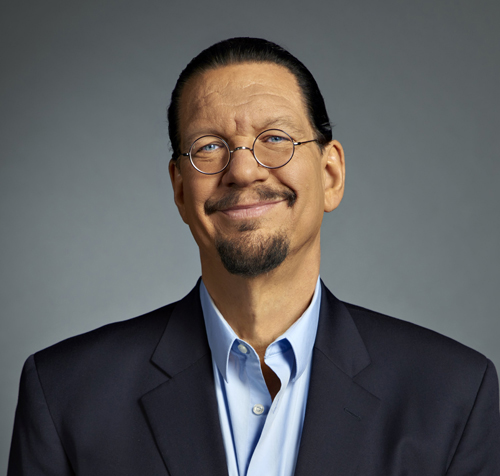
Penn Jillette
Magician, actor, and author of “Felony Juggler”
“It just seems like racism and hate and nothing else. It doesn’t seem philosophical in any form, shape or form. It doesn’t seem in any way shape or form to be pretending at anything but the most surface level to be protecting children. The stuff they’re choosing to ban is insane.
“The banning of books in the library is a small but important symptom of something that breaks my heart so profoundly. And that does not make me special, it makes me everybody.”
Listen here.
You can find every episode of the “How I Library” here or wherever you listen to podcasts.
How you can support libraries
With library funding being gutted and censorship on the rise, supporting libraries is more critical than ever. If you’re looking for a way to help, we urge you to become a Supporter of the American Library Association by donating.
At the American Library Association, we are here to protect libraries — today and for generations to come. What does your donation do? It helps a neighbor gain skills to start a business. It helps a child discover themselves through books and programs. And it helps keep libraries strong, open, and free for everyone.
Become a Supporter
Subscribe to the I Love Libraries newsletter! You’ll get news from the library world, advocacy updates, author interviews, book lists, and more delivered to your inbox every month.