A City That Plays Together: What It Takes to Run a 17,000-Player Library Game

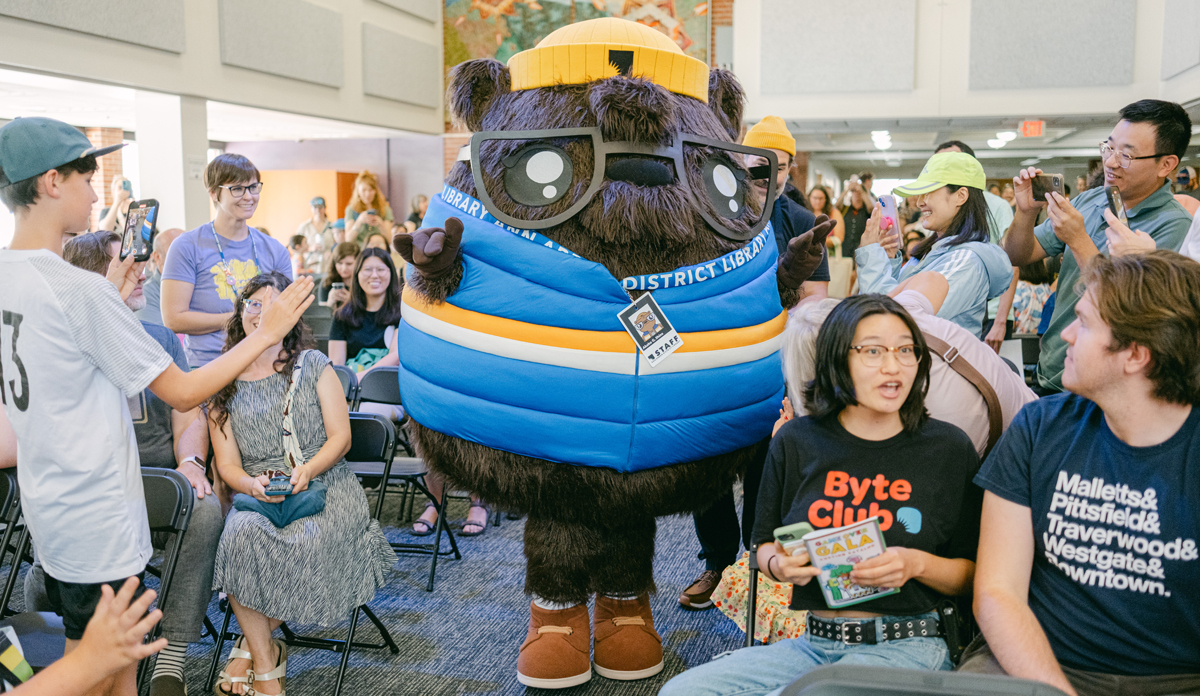
City dwellers are used to seeing lawn signs for politicians, schools, or reminders to pick up after your dog. But during the summer in Ann Arbor, Michigan, a different kind of sign begins sprouting up across the city. These colorful, circular signs aren’t for an upcoming election but instead “lawn codes” for the Ann Arbor District Library’s (AADL) Summer Game.

A New Mechanism for Dialogue: Virtual Reality Programs in Academic Libraries

Virtual reality (VR) has popped up in many libraries in recent years, sparking everything from senior-focused programs to virtual travel experiences to tween and teen STEAM programs. Using a headset, such as the Oculus, allows participants to immerse themselves into new worlds and experiences. In an academic library, VR can enhance educational takeaways from historical and cultural events and tie into curriculum.

A Library for Firefighters: Teaching Fire Literacy Through Reading and Discussion

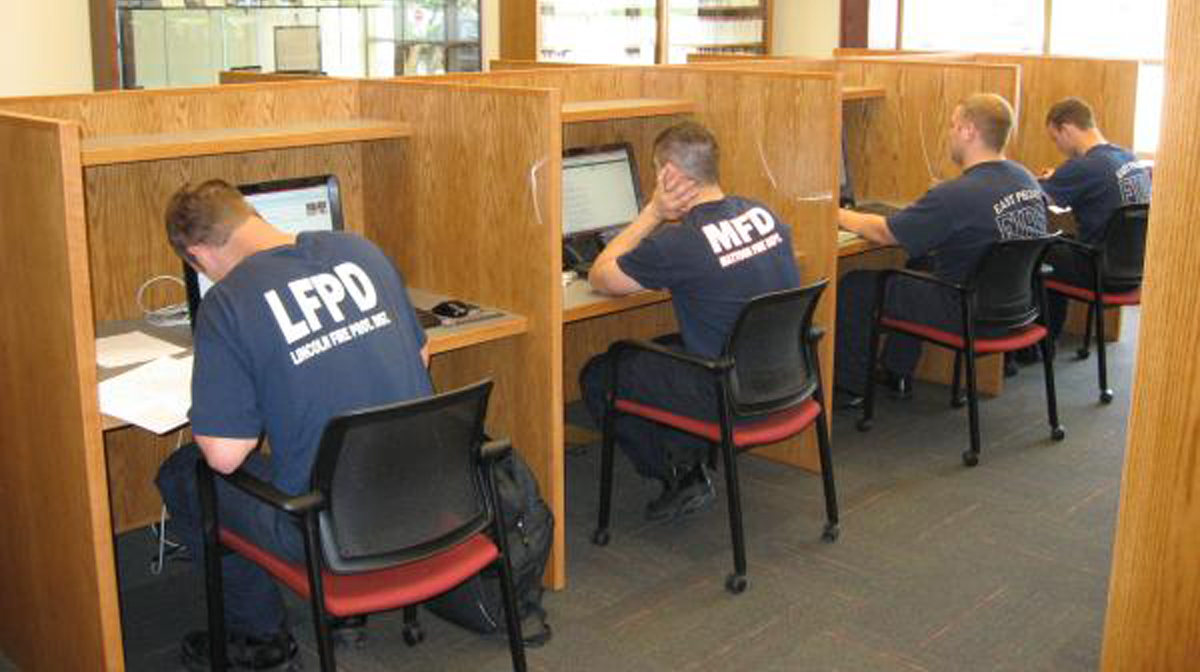
The Illinois Fire Service Institute Library in Champaign, Illinois, provides fire and emergency library and information assistance to the Fire Institute’s instructional staff, students, and more than 1,000 Illinois fire departments and 42,000 Illinois firefighters. Through ALA’s American Rescue Plan: Humanities Grants for Libraries, the library is creating the Children Fire Safety Literacy Reading and Discussion Program, which uses history, biography, and fiction to teach children about fire safety.

Transforming Access: How Nearly 700 Small and Rural Libraries Are Advancing Accessibility

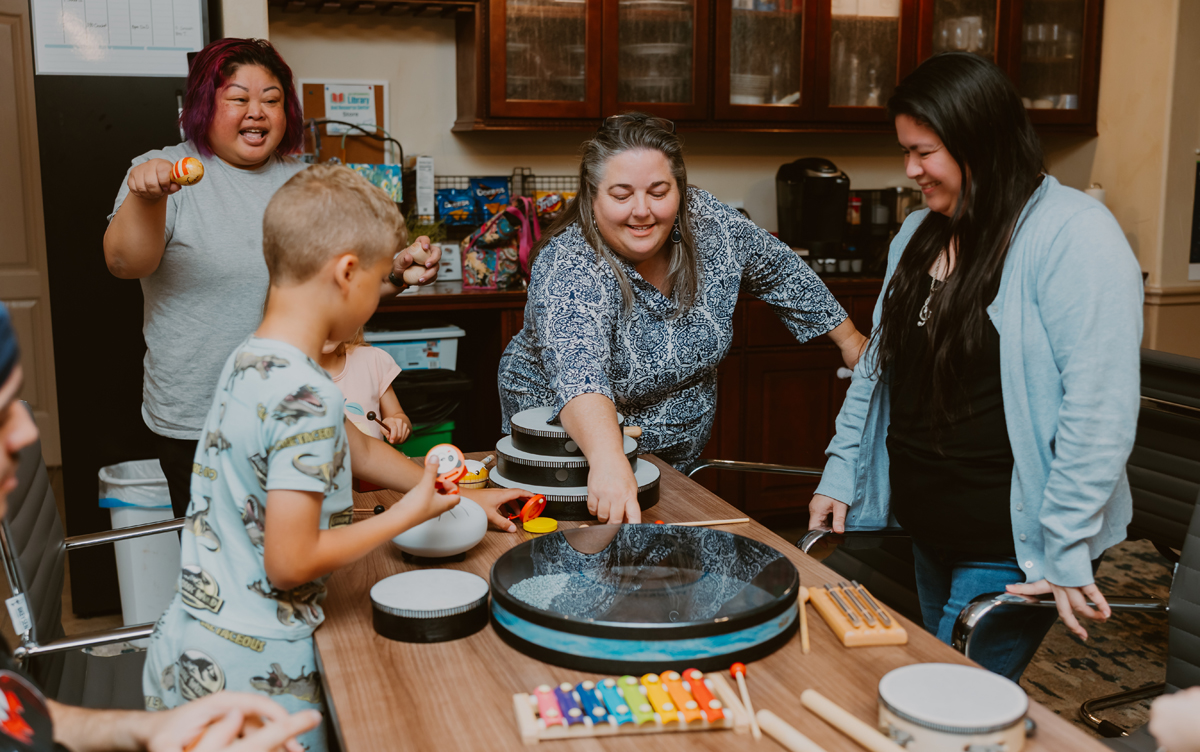
Since 2022, the American Library Association’s Libraries Transforming Communities: Accessible Small and Rural Communities initiative has awarded grants to 662 small and rural libraries nationwide. In the latest round of funding, 300 libraries will receive money to enhance accessibility to facilities, services, and programs for people with disabilities. Seventy-three percent of these round-three grantees serve populations of 5,000 people or less.