The banning and censorship of books is often only one part of a wider project to limit access to information. Censorship can go hand-in-hand with political propaganda, which hinges on manipulating peoples’ views and understanding of history and current events. It’s important for kids and teens to recognize propaganda when they see it, and the following works of nonfiction and fiction demonstrate when and how propaganda is used, as well as potential consequences of its influence.
Nonfiction
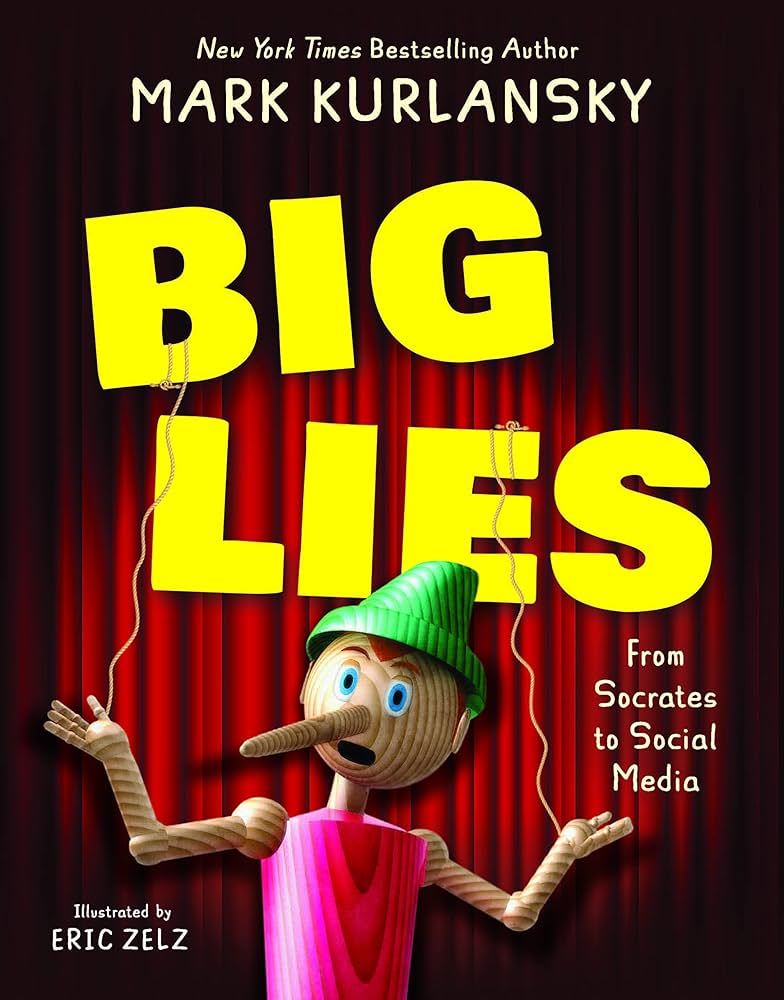
“Big Lies: From Socrates to Social Media.” By Mark Kurlansky. Illus. by Eric Zelz. 2022. Tilbury. Grades 8–12.
This well-researched look at propaganda techniques offers a broad view of how and why political leaders, hucksters, and others with personal or political agendas lie; how technological changes and the advent of social media have magnified the lies’ effectiveness; and how critical-thinking skills enable people to recognize the big lies that can threaten a free society.
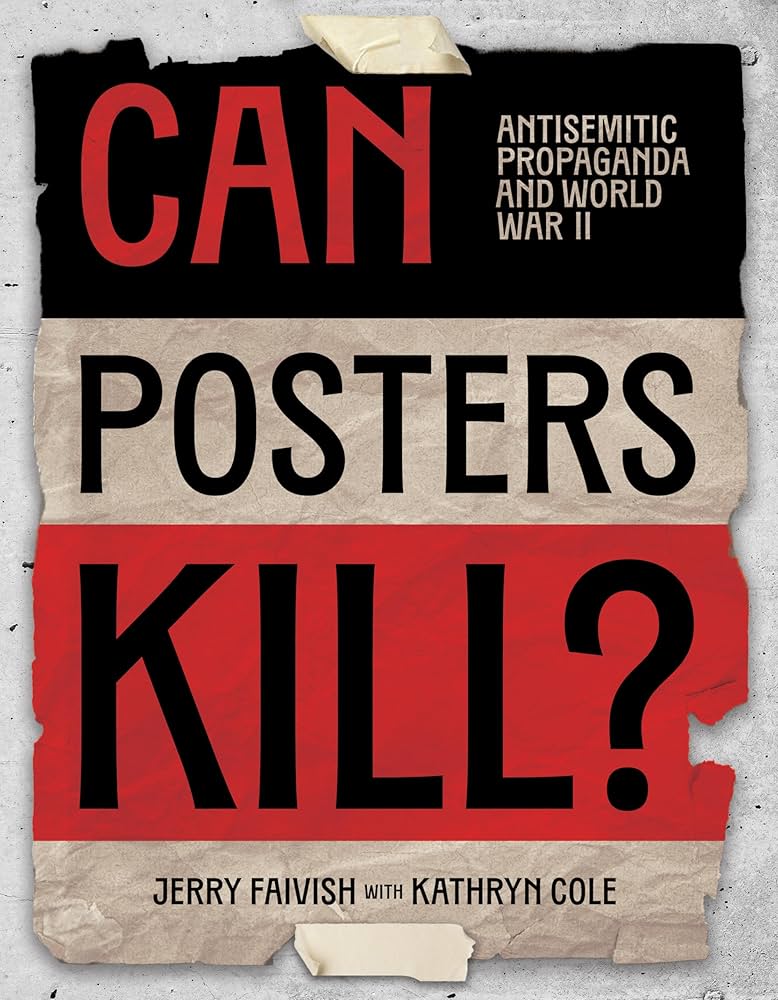
“Can Posters Kill? Antisemitic Propaganda and World War II.” By Jerry Faivish and Kathryn Cole. 2025. illus. Second Story. Grades 8–12.
This title examines propaganda posters created by the Nazi regime to show how this disinformation campaign generated fear and hatred of Jewish people and paved the way to genocide.
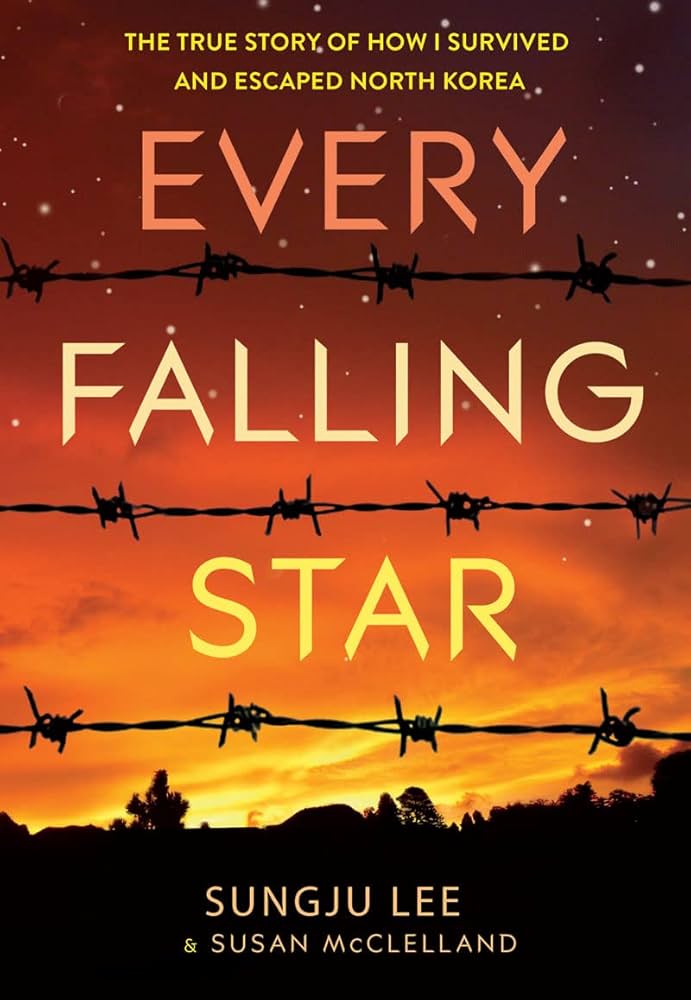
“Every Falling Star: The True Story of How I Survived and Escaped North Korea.” By Sungju Lee and Susan McClelland. 2016. Abrams/Amulet. Grades 9–12.
With the help of journalist McClelland, Lee recalls his hardscrabble years on the streets of North Korea and offers a firsthand account of the horrendous conditions facing the country’s citizens. Perspectives like Lee’s are hard to come by, and his experiences in the propaganda-fueled regime and eventual escape are riveting.
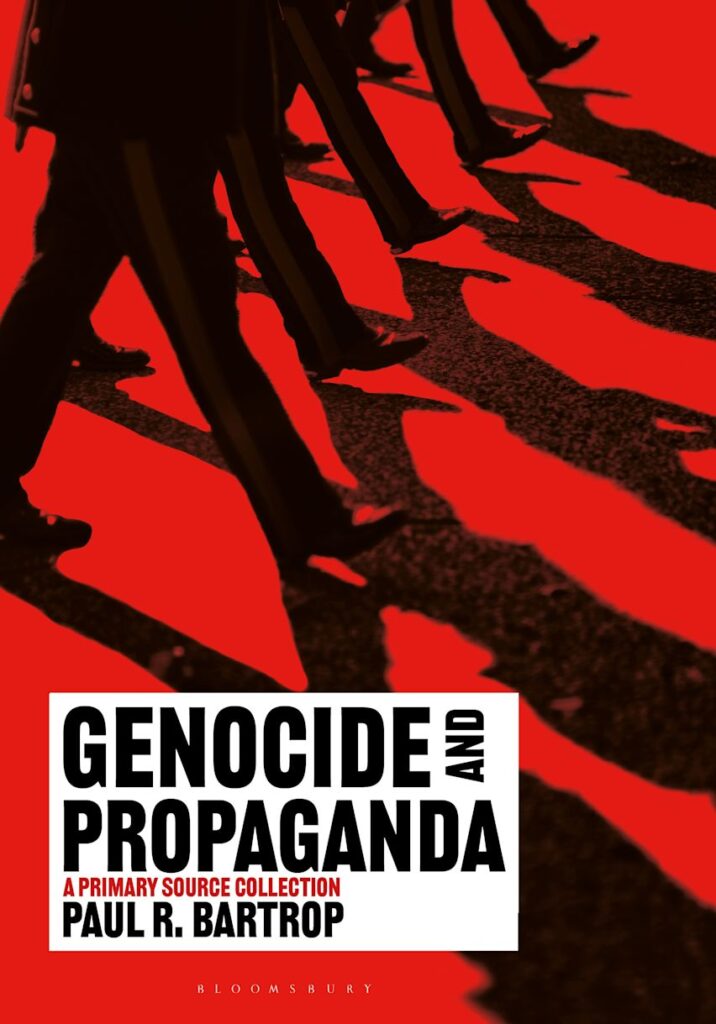
“Genocide and Propaganda: A Primary Source Collection.” By Paul R. Bartrop. 2025. Bloomsbury Academic.
Holocaust and genocide historian Bartrop has assembled case studies and primary-source examples of propaganda campaigns used to justify genocidal violence. The book’s broad scope pinpoints many such instances, placing events within historical context followed by representative propaganda documents. Though published for adults, this title is recommended for high-school classrooms and libraries.
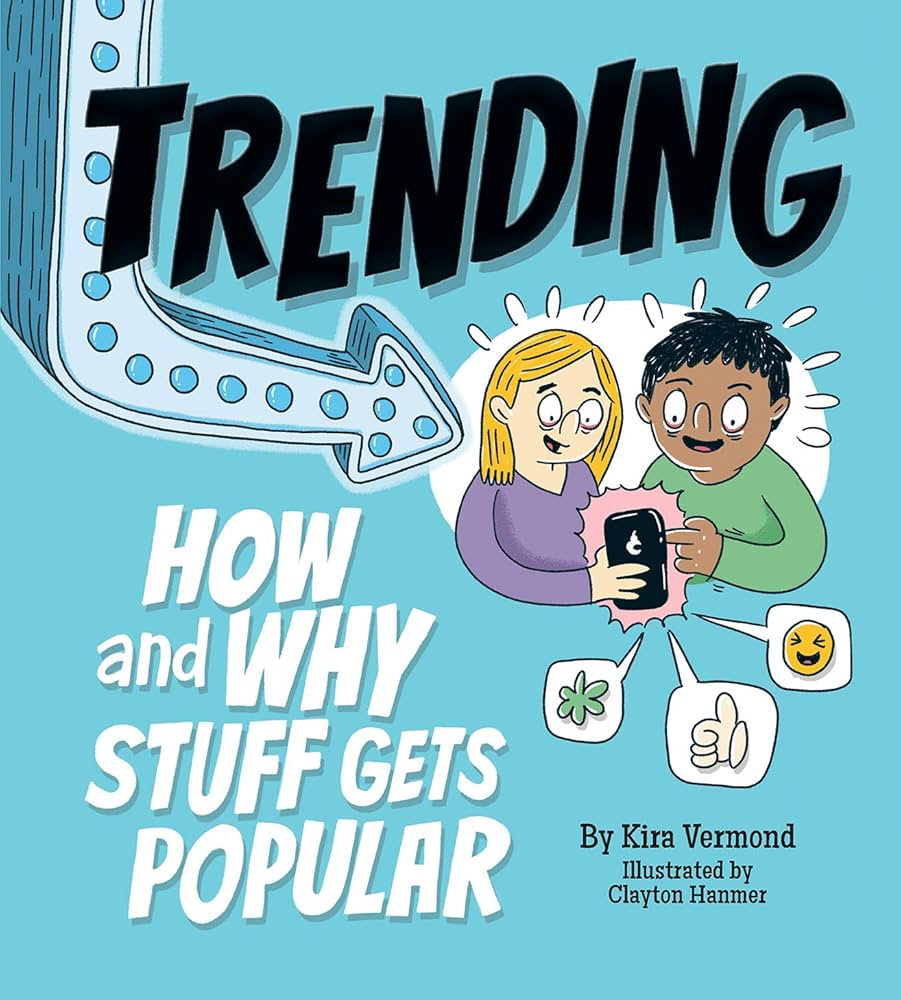
“Trending: How and Why Stuff Gets Popular.” By Kira Vermond. Illus. by Clayton Hanmer. 2020. Owlkids. Grades 3–6.
Making the point that fads and trends can have good effects or detrimental ones, Vermond offers many examples as she discusses why fads and trends matter, what psychological factors drive people to adopt them, and how readers can resist the potentially dangerous ones, such as trends based on misinformation. The discussion also includes coverage of malicious propaganda in Nazi Germany. An intriguing read that provides insightful commentary and useful intellectual tools for evaluating new fads and ideas as they come along.
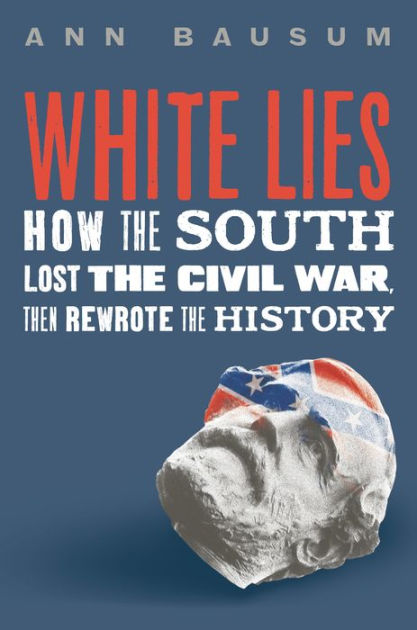
“White Lies: How the South Lost the Civil War, Then Rewrote the History.” By Ann Bausum. 2025. illus. Roaring Brook. Grades 8–12.
In this enlightening study, Bausum combines facts and explanations with true stories to help dismantle misinformation surrounding slavery and racism in the U.S., and an entire section is devoted to the rise of “Lost Cause” propaganda (the denial of slavery as the cause of the Civil War and the promotion of racism) disguised as history through monuments, Hollywood films, books, and even public school education.
Fiction
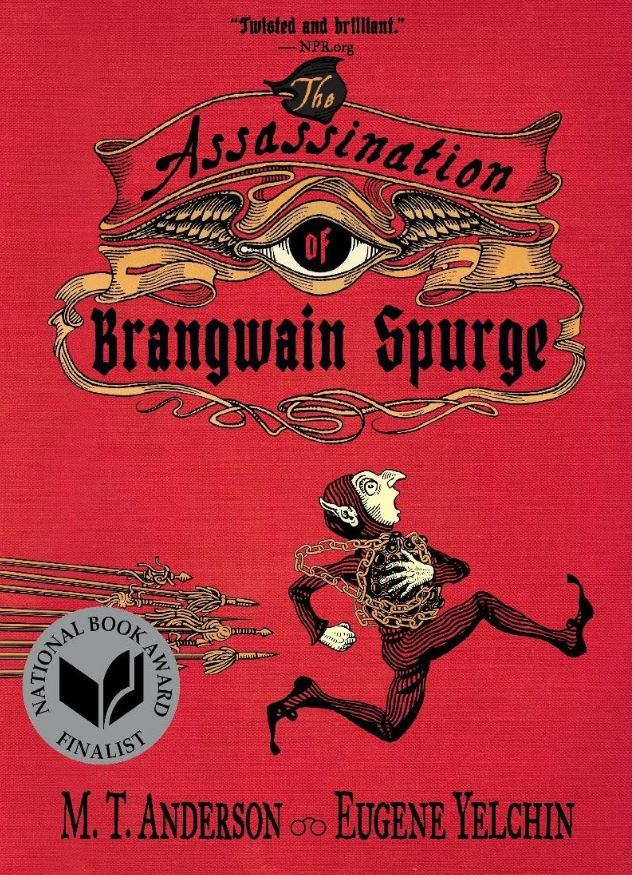
“The Assassination of Brangwain Spurge.” By M. T. Anderson and Eugene Yelchin. Illus. by Eugene Yelchin. 2018. Candlewick. Grades 5–8.
In a bitingly funny fantasy about a diplomatic ploy used by warring elf and goblin kingdoms, Anderson and Yelchin cleverly depict the dangerous effects of othering and limiting one’s perspective to a single narrative. While not directly dealing with propaganda, it does illuminate how one’s perspective can be manipulated and shaped by outside forces.
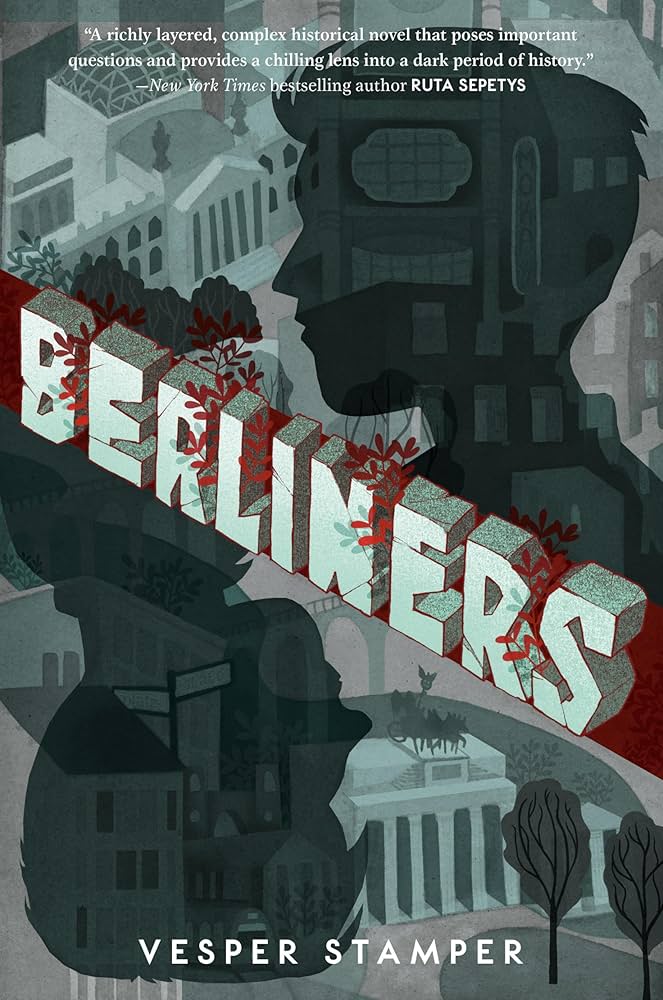
“Berliners.” By Vesper Stamper. Illus. by the author. 2022. Knopf. Grades 8–12.
It’s 1961, and twins Peter and Rudi are living on opposite sides of a divided Germany. Stamper’s depiction of East Germany during the rise of the Berlin Wall is grim and gritty, but her portrayal of propaganda and how teens can easily fall prey to this kind of rhetoric is spot on, as is her characterization of the consequences suffered by those who would speak against the regime. With black-and-white line drawings by Stamper, this offers a chilling look at authoritarianism and the destruction it wreaks on one family.
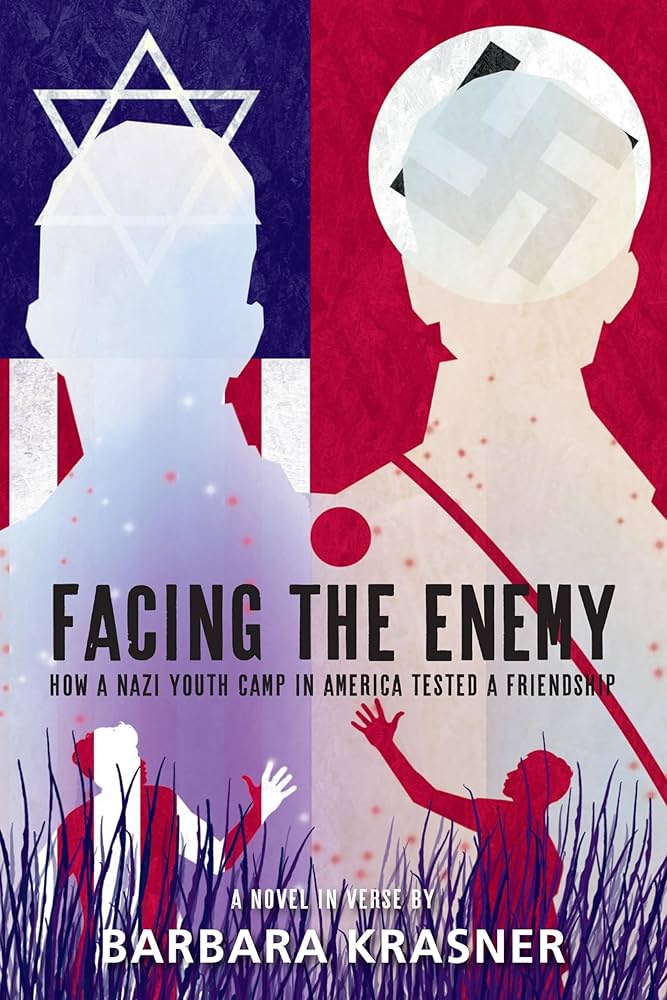
“Facing the Enemy: How a Nazi Youth Camp in America Tested a Friendship.” By Barbara Krasner. 2023. Astra/ Calkins Creek. Grades 7–10.
Drawing upon the existence of an actual Nazi youth camp in the U.S., Krasner’s historical novel in verse follows fictional co-protagonists Benjy (Jewish American) and Tommy (German American), whose close friendship is fractured after Tommy is sent to camp and returns altered by Nazi propaganda.
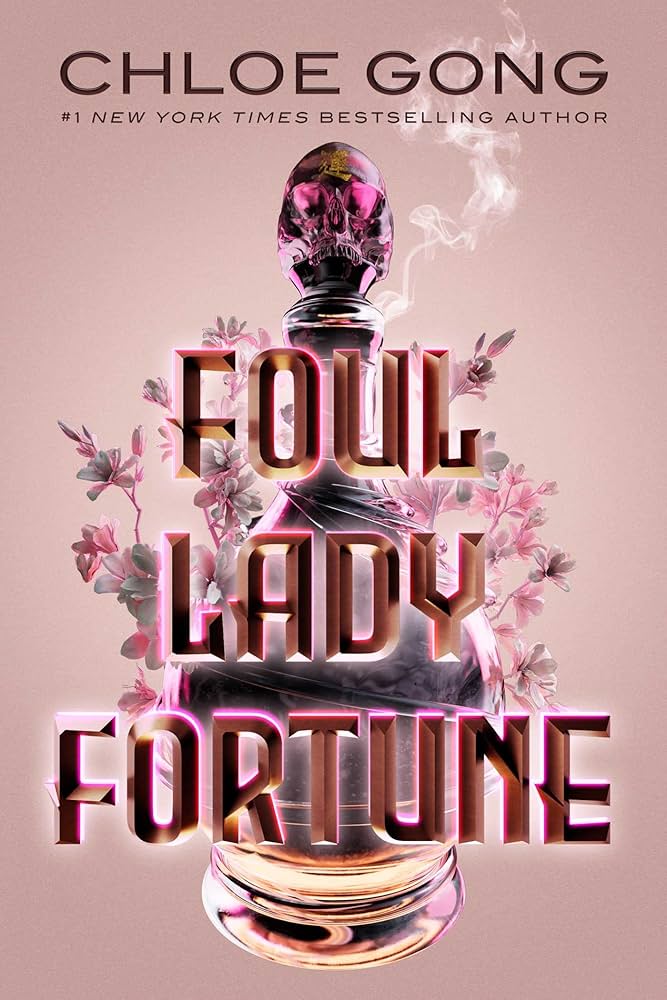
“Foul Lady Fortune.” By Chloe Gong. 2022. Simon & Schuster/Margaret K. McElderry. Grades 9–12.
In 1931 Shanghai, Nationalists and Communists are engaged in civil war and a Japanese invasion looms. When the Nationalists connect the murders to Japanese-owned Seagreen Press, publisher of imperialist propaganda, a spy and an assassin pose as newlyweds to infiltrate the press. Gong excels at creating a tense, paranoid atmosphere filled with false identities, uneasy alliances, and surprise betrayals in this action-packed tale of political intrigue.
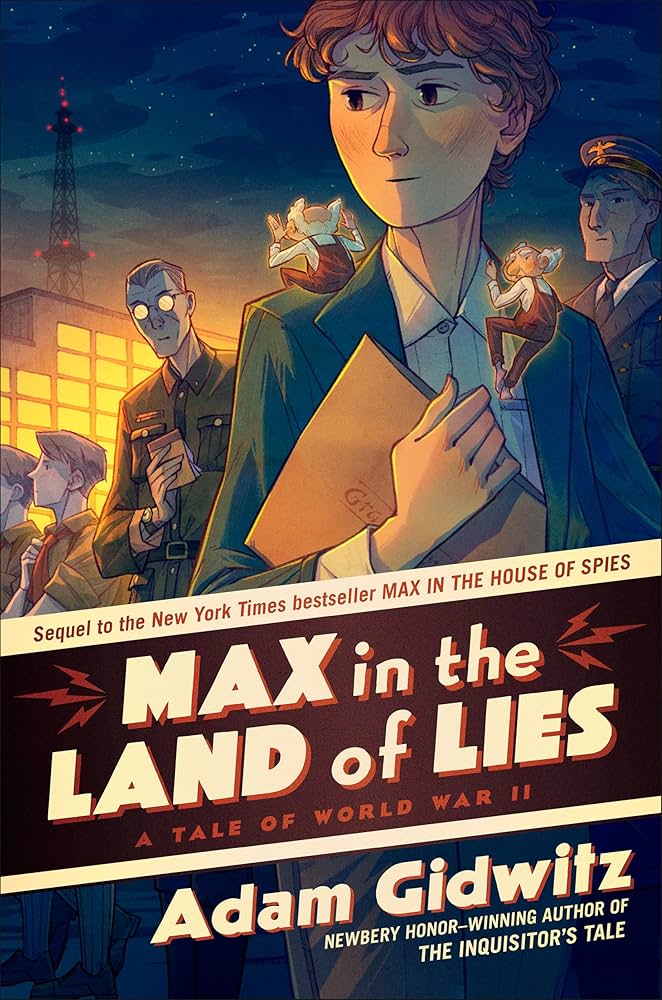
“Max in the Land of Lies: A Tale of World War II.” By Adam Gidwitz. 2025. Dutton. Grades 4–7.
Introduced in Max in the House of Spies (2024), Max returns to Berlin with two missions: infiltrate the Funkhaus, the Nazi center of radio propaganda, and find his missing parents. As Max enmeshes himself in the Funkhaus, he struggles to make sense of the machinations of Nazi propaganda and the ongoing assault of lies driving the war forward. Gidwitz delivers what is at once an engrossing spy-thriller and an appropriately devastating story of a boy coming of age in an impossibly brutal world.
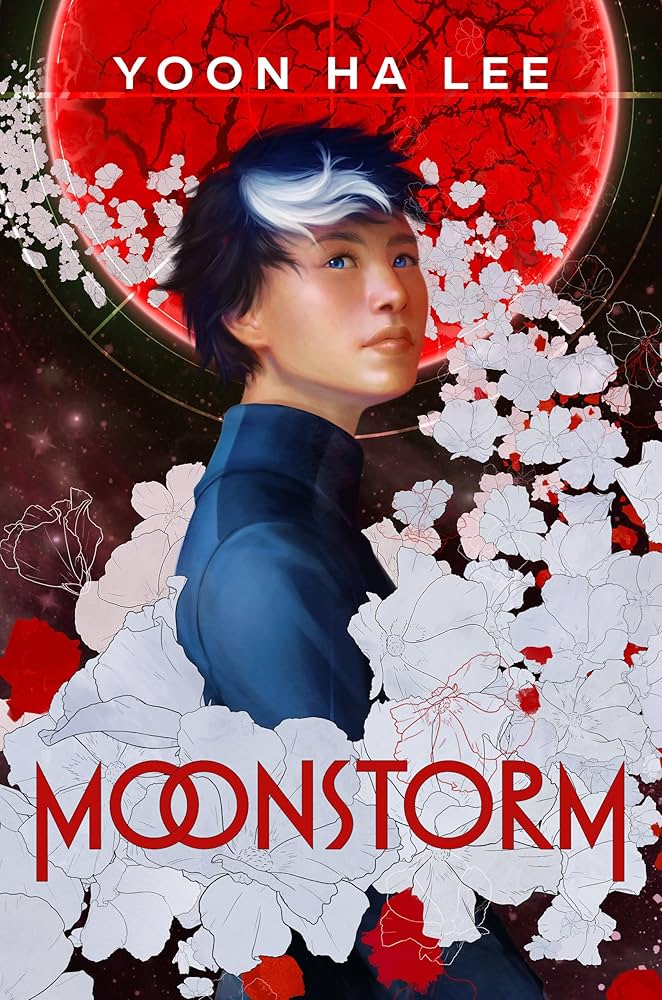
“Moonstorm.” By Yoon Ha Lee. 2024. Delacorte. Grades 7–10.
Lee, known for infusing the vast world of sf with Korean- inspired adventure, offers a new trilogy opener, which sees Hwa Young training to become an elite space pilot for the same Empire that destroyed her home. Lee incorporates a subtle exploration of media and news censorship, propaganda, and settler colonialism, all while Hwa Young is in the midst of discovering what she truly wants and believes in.
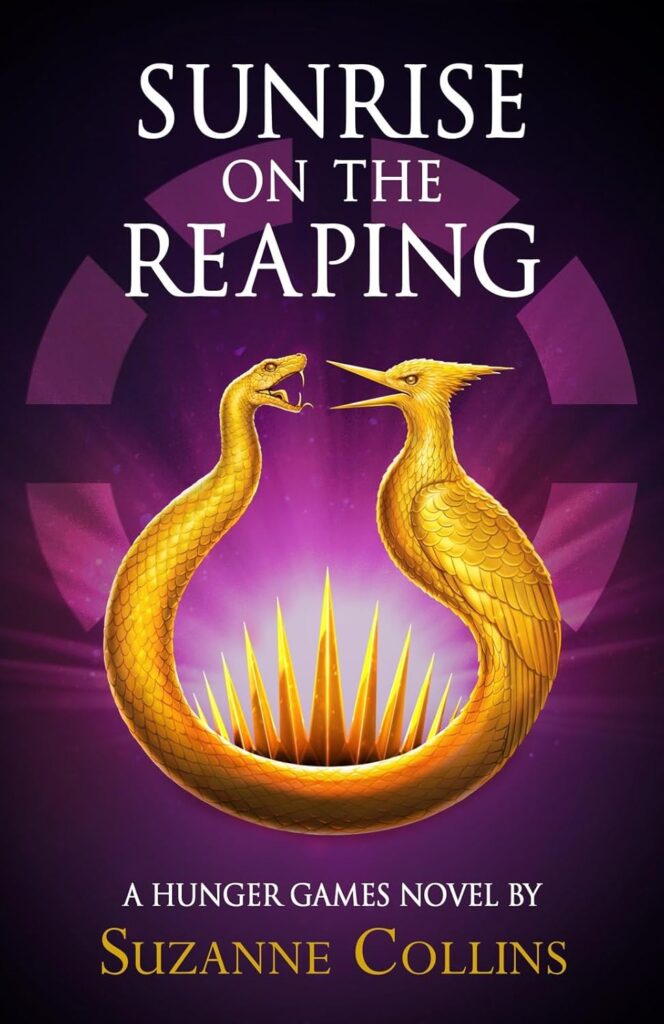
“Sunrise on the Reaping.” By Suzanne Collins. 2025. Scholastic. Grades 8–12.
This addition to the Hunger Games world focuses on Haymitch Abernathy’s participation in the games during his youth. Collins is unafraid to pose a scathing commentary on the active efforts of a propaganda machine, showing in real time how narratives are reworked to serve the Capitol’s agenda, help President Snow maintain his sickly grip on the Districts, and keep the Hunger Games alive.
This article was originally published in Booklist Reader, the magazine for library patrons, from the American Library Association’s nationally distributed book review publication, Booklist.
Every month, Booklist Reader features must-read lists, author interviews, and top reading recommendations for adults, youth, and audiobook lovers.
Libraries can order print copies and share digital issues with a Booklist subscription. Ask at your library if they carry Booklist Reader in print. ALA members and Supporters of the American Library Association receive a free subscription as a benefit.
How you can support libraries
With library funding being gutted and censorship on the rise, supporting libraries is more critical than ever. If you’re looking for a way to help, we urge you to become a Supporter of the American Library Association by donating.
At the American Library Association, we are here to protect libraries — today and for generations to come. What does your donation do? It helps a neighbor gain skills to start a business. It helps a child discover themselves through books and programs. And it helps keep libraries strong, open, and free for everyone.
Become a Supporter
Subscribe to the I Love Libraries newsletter! You’ll get news from the library world, advocacy updates, author interviews, book lists, and more delivered to your inbox every month.
Image: Detail from the cover of “Genocide and Propaganda: A Primary Source Collection” by Paul R. Bartrop.