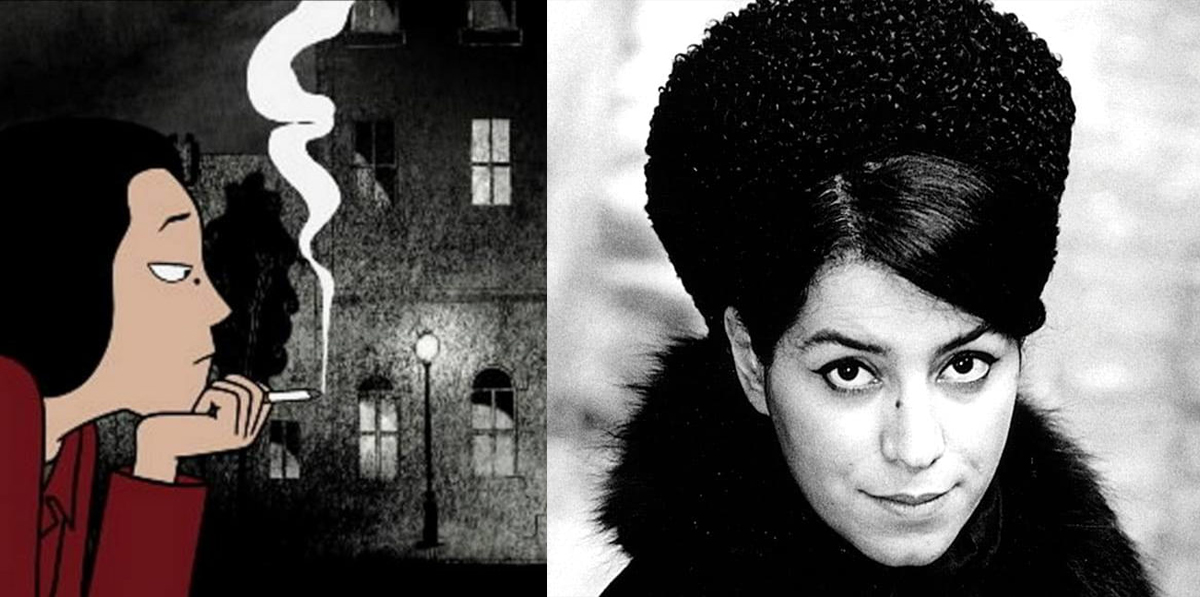
Marjane Satrapi, the Iranian-French author of the acclaimed graphic novel “Persepolis” and director of the film adaptation which was nominated for an Oscar in 2008, died June 4 at age 56. Her work documented personal, cultural, and institutional struggles and was an unintended player in the fight for the freedom to read.
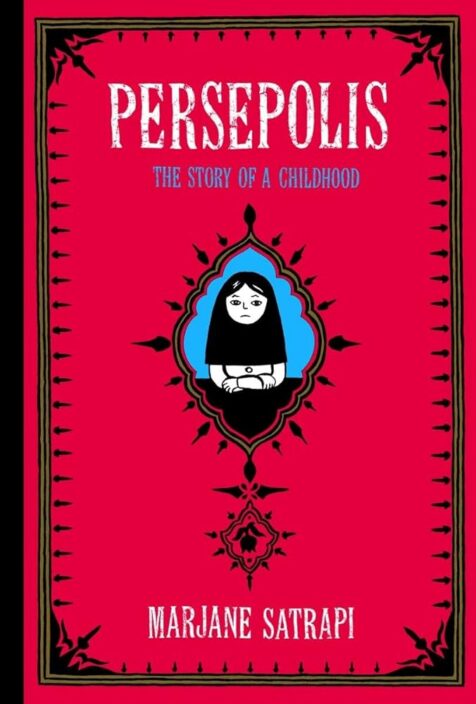
Published in four volumes from 2000-2003, “Persepolis” follows Satrapi’s life as a child in Tehran during the Iranian Revolution and her subsequent teenage years in Europe. The book was acclaimed for highlighting the struggles of ordinary Iranians, particularly women and girls, under the repressive Islamic regime. In 2019, it was ranked 47th on The Guardian’s list of the 100 best books of the 21st century, and in 2024, it was ranked 48th of the 100 best books of the 21st century by the New York Times.
“Persepolis” was famously banned in Chicago Public Schools (CPS) libraries in 2013, due to profanity and a scene of torture in the book. The move prompted criticism and complaints from the media, parents, and the American Library Association, and sparked student protests at CPS’s Lane Technical College Prep High School. The book was eventually returned to CPS school libraries.
The CPS ordeal inspired the graphic novel, “Wake Now in the Fire: A Story of Censorship, Action, Love, and Hope,” by Chicago-based writer Jarrett Dapier and illustrator AJ Dungo. The book tells the true story a group of high schoolers in Chicago who worked to overturn the system-wide ban of “Persepolis.”
In 2014, Satrapi spoke with American Libraries from her home in Paris about the importance of education and culture, and the unintended benefit of banning books. Of the CPS banning, she said:
“I thought it was completely stupid. It’s not like I made a porn magazine or something. I was very happy, though, because I saw these children, they were protesting. The good thing is that these people who ban things, it’s like they are completely unaware of what a human being is. If you want to make adolescents read a book, ban it! And then they all want to read it. Because then they’re rebellious. Why not just explain it? It’s not like kids are dumb.”
When asked how libraries and education shaped her life growing up and how the institutions differ in places she’s lived throughout her life, Satrapi said:
“Even though I was an only child, I never had lots of toys, but I could have as many books as I wanted. I was reading a lot, and I think that’s what saved my life. In my country under the Shah, there were books banned. And after the revolution there were other books banned. But they were all on the black market. When I first came to America I went a lot to book shops and spoke to people. I have never seen the equivalent in Europe—you have these reading groups, you come to listen to the writer. People really like to read in America, and they organize to make things happen. I really have the feeling that people are there to listen. It’s a whole exchange between me, the writer, and the people in front of me, which is really cool. I read somewhere that in America you have more public libraries than you have McDonald’s. That’s good.”
You can read American Libraries’ conversation with Satrapi here or listen below on the magazine’s podcast, “Call Number with American Libraries.”
How you can support libraries
With library funding being gutted and censorship on the rise, supporting libraries is more critical than ever. If you’re looking for a way to help, we urge you to become a Supporter of the American Library Association by donating.
At the American Library Association, we are here to protect libraries — today and for generations to come. What does your donation do? It helps a neighbor gain skills to start a business. It helps a child discover themselves through books and programs. And it helps keep libraries strong, open, and free for everyone.
Become a Supporter
Subscribe to the I Love Libraries newsletter! You’ll get news from the library world, advocacy updates, author interviews, book lists, and more delivered to your inbox every month.