We celebrate National Native American Heritage Month by recommending books that deepen and extend our understanding and appreciation of Native American lives and cultures past and present. You’ll find a variety of imaginative novels and a short-story collection, one volume of poems, works of history offering fresh and critical perspectives, a cookbook and guide to Native foodways, and a moving memoir. All are thought-provoking and affecting; all sharpen our sense of America’s profound complexities, crimes, tragedies, struggles, and promise.—Donna Seaman, Booklist Editor-in-Chief
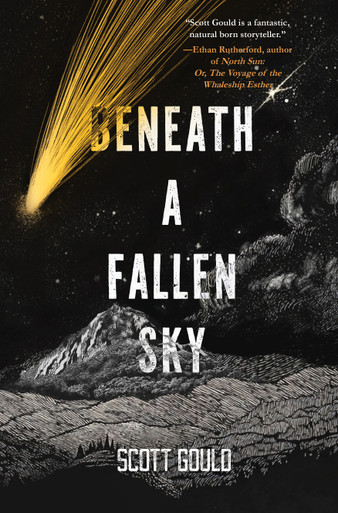
By Scott Gould. 2026. Regal.
It’s May 1910 in Fort Payne, Alabama, and the mountain townsfolk are deeply concerned about Halley’s Comet and its impact on Earth. Gould focuses on Charlie, a mail carrier mysteriously obligated to provide goods to a Cherokee woman living in isolation; Charlie’s aunt, Zona, an unusual preacher; Sheriff Tyus; and Elva, madam of the town brothel, in this richly redolent tale of family, faith, and history, including the continuing trauma of Native American displacement.
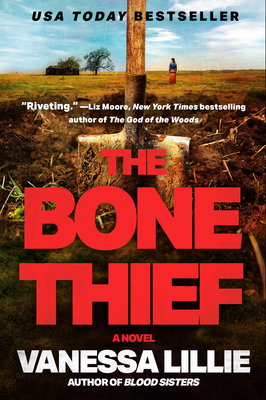
By Vanessa Lillie. 2025. Berkley.
In Lillie’s second mystery, following Blood Sisters and featuring archaeologist Syd Walker of the Bureau of Indian Affairs in Rhode Island, Syd finds the skeleton of a Native woman and wants to make sure the bones are returned to the woman’s people. But a local group called the Founders Society has other ideas and things get complicated.
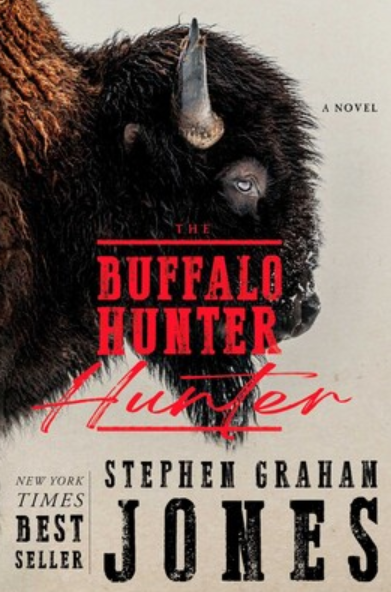
By Stephen Graham Jones. 2025. Saga.
Multi-award-winning Jones presents a remarkable and riveting horror tale of heartbreak, existential terror, death, and revenge that is told through the journals of a Lutheran minister in the 1910s who hears the confessions of Good Stab, a Blackfoot vampire roaming the Montana prairie, staggering revelations that stoke an eerie and resounding critique of the United States.
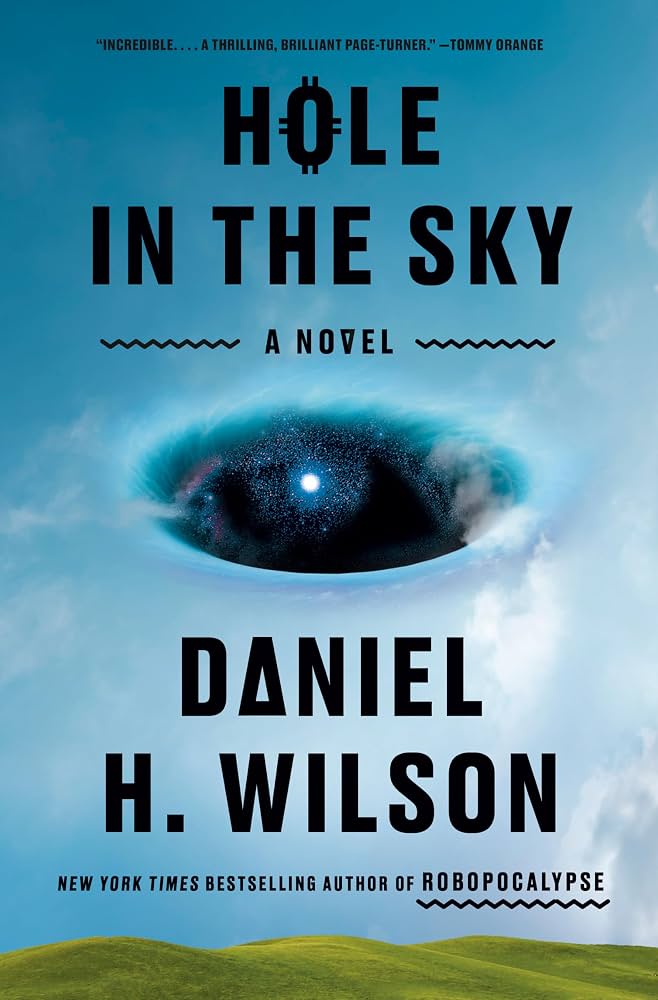
By Daniel H. Wilson. 2025. Doubleday.
Wilson, a citizen of the Cherokee Nation, takes the venerable sf theme of first contact and blends it with Native American history and mythology to craft a story that is unique, enthralling, and spectacularly well spun, told through the eyes of diverse characters: a military man, an astrophysicist, a Native American father, and a government threat forecaster.
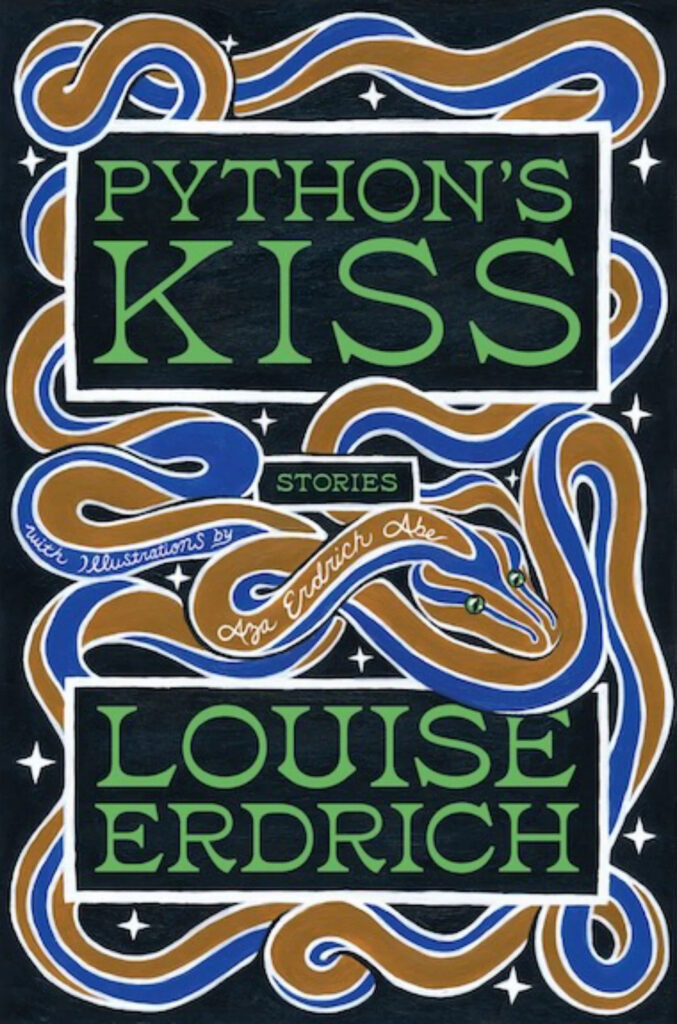
By Louise Erdrich. 2026. Harper.
Spanning two writing decades, Erdrich’s profound and resplendent stories of Native American life trace the web that intricately meshes humans with one another, animals, Earth, sky, and spirit.
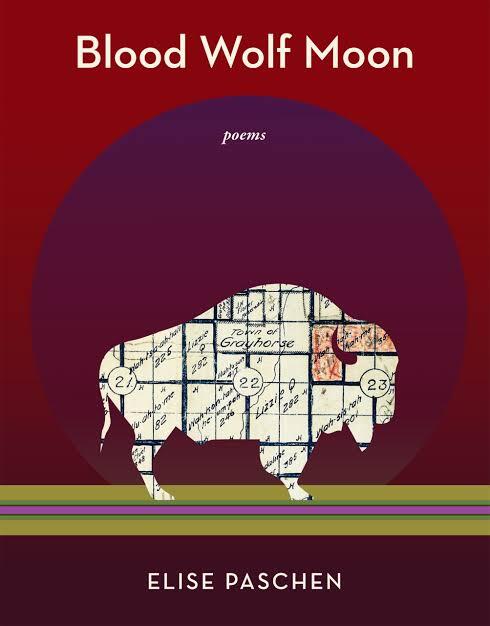
By Elise Paschen. 2025. Red Hen.
In this graceful, assured, and breathtaking poetry collection, Paschen explores her relationship with her mother, the trailblazing Osage prima ballerina Maria Tallchief, and delves deeply into Osage history and culture.
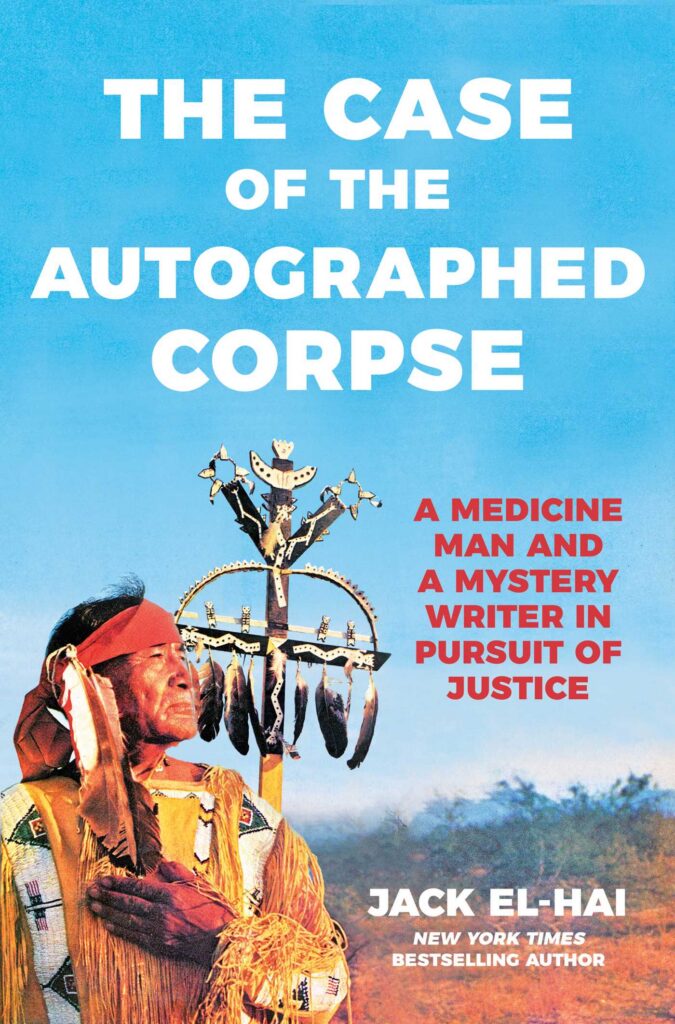
By Jack El-Hai. 2026. Pegasus Crime.
This well-paced true-crime narrative rich in Native American history follows the trial of Silas John Edwards, an influential Apache Medicine Man wrongly accused of murdering his wife in 1933 on the San Carlos Apache Reservation in Arizona, and Erle Stanley Gardner, the mystery writer who helped him find justice.
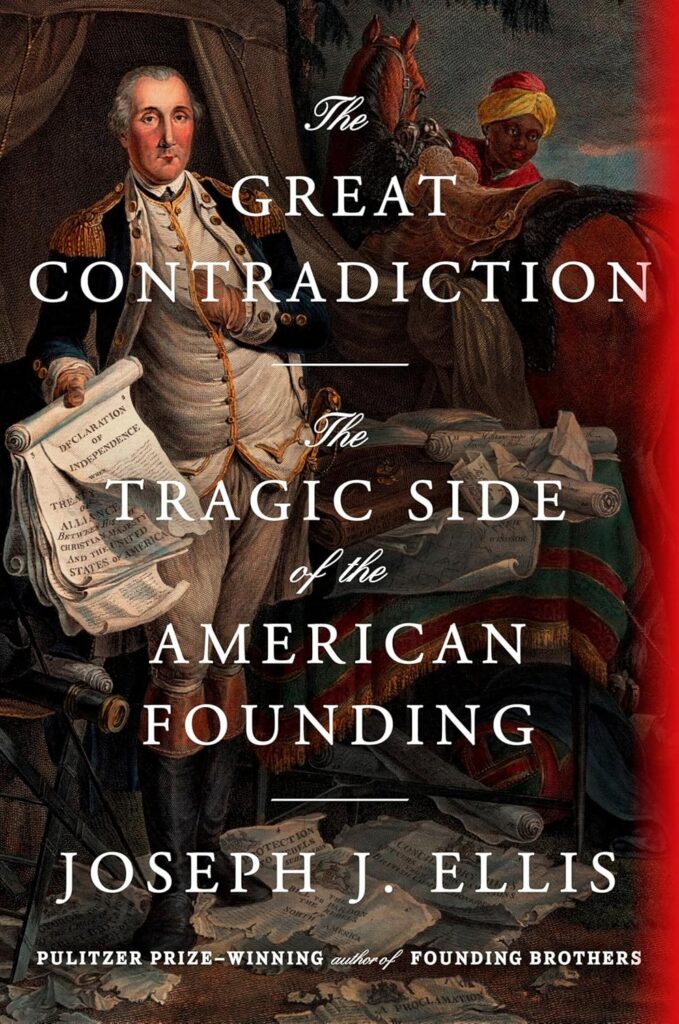
By Joseph J. Ellis. 2025. Knopf.
Historian Ellis offers a fresh, compelling, and noteworthy examination of the “two outstanding tragedies the founders oversaw: the failure to end slavery and the failure to avoid Indian removal,” revealing how attempts to apply the principles of the American Revolution to relations with Native Americans were overwhelmed by white settlers’ voracious greed for land.
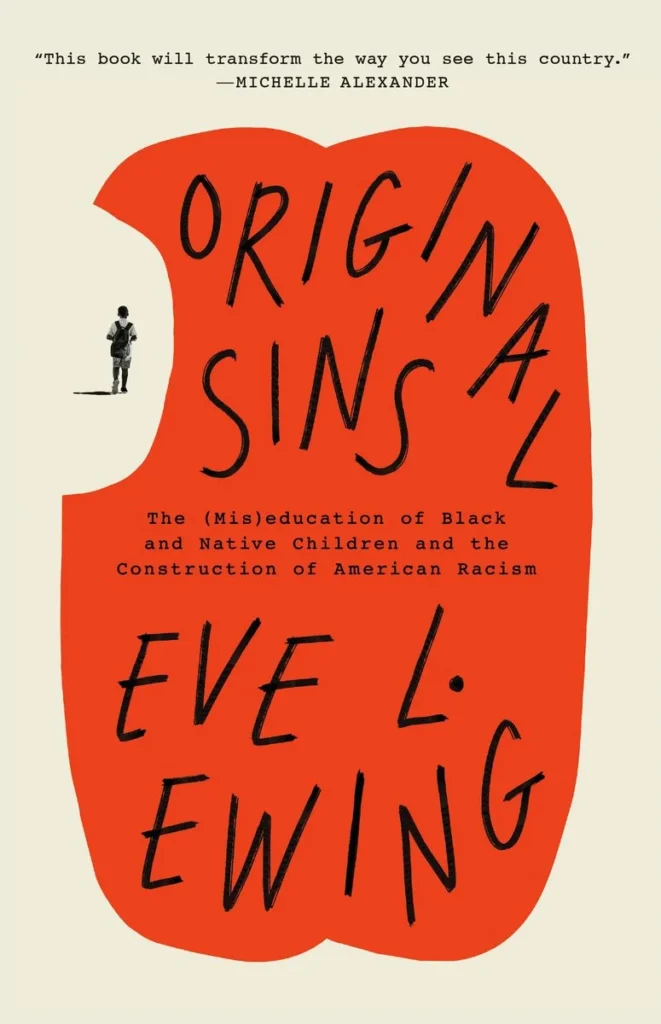
By Eve L. Ewing. 2025. One World.
In this skillfully presented, searing critique, poet and sociologist Ewing reveals the role that institutions of formal education have played in creating and reinforcing racial hierarchies in the U.S., with a close look at how schools for Native American children were focused on cultural erasure.
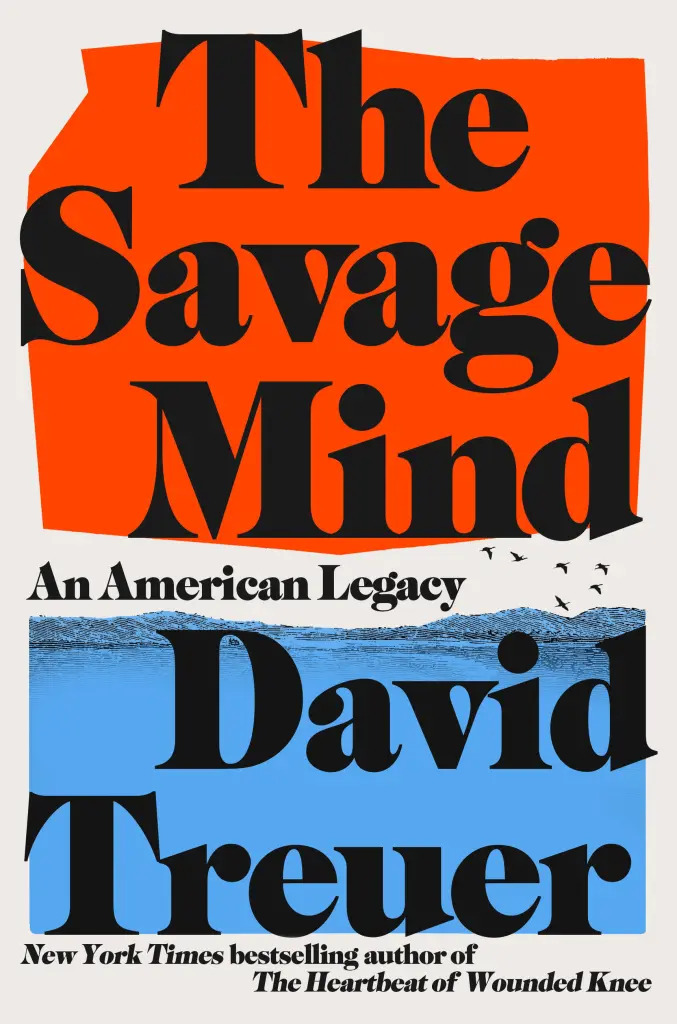
By David Treuer. 2026. Little, Brown.
In his latest eviscerating title, an artful combination of memoir, historical analysis, and reportage, award-winning Treuer delivers a piercing and propulsive treatise on the distorted relationship between America’s violent history and its treasured frontier mythology and argues that truthfulness is the only cure.
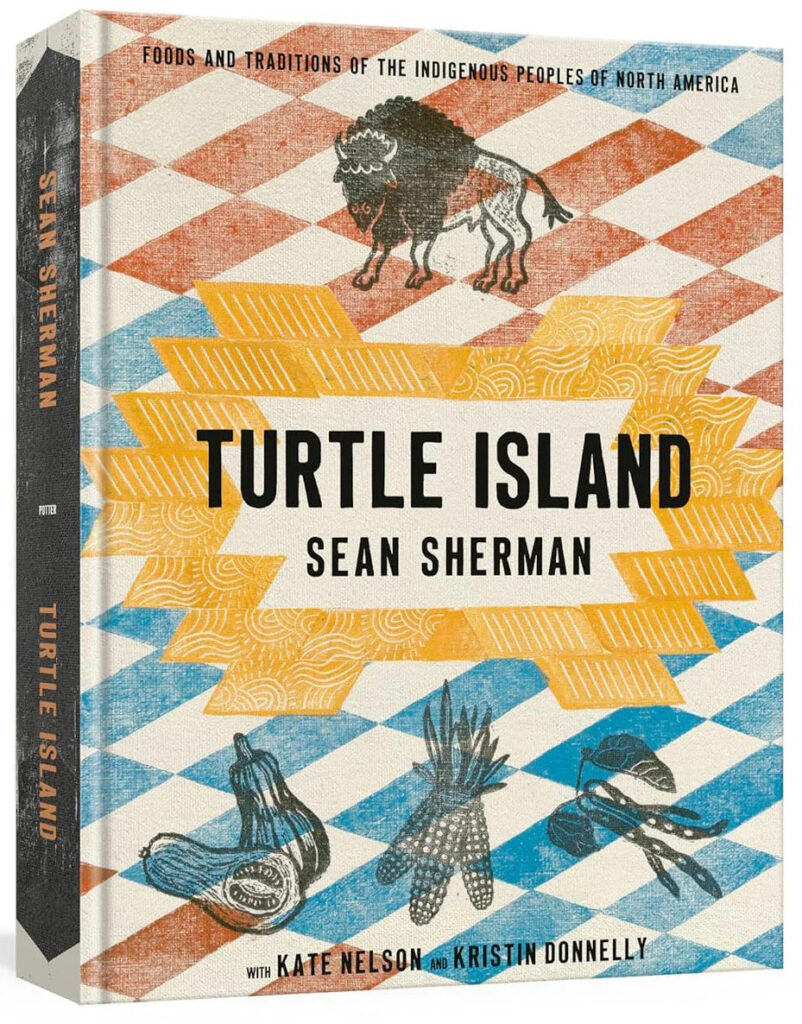
By Sean Sherman and others. 2025. Clarkson Potter.
James Beard Award winner, chef, restaurateur, and leader in the Indigenous Food movement, Sherman provides a comprehensive cookbook and guide to Native foodways organized by North American region, including the Arctic, Canada, and Mexico, and explores the history, traditional ingredients, and cooking techniques of Indigenous cultures.
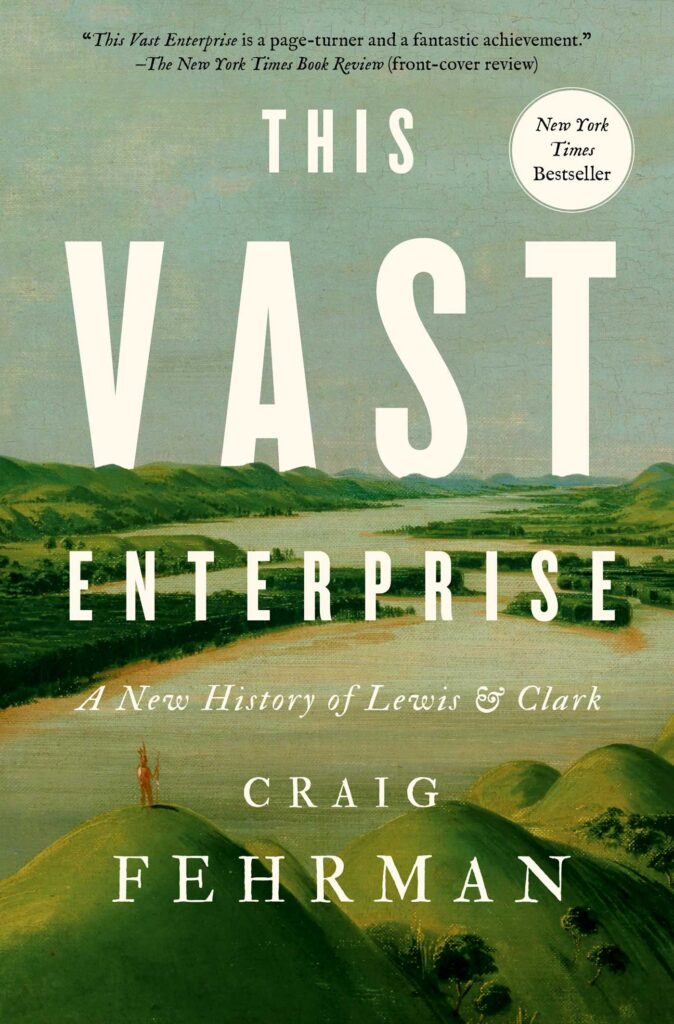
By Craig Fehrman. 2026. Simon & Schuster/Avid Reader.
In this riveting and revitalized new history of the Lewis and Clark Expedition, acclaimed historian Fehrman centers chapters around Shoshone translator Sacajawea, multiple Native Americans who encountered the expedition, and York, an enslaved Black man, all of whom were critical to the expedition’s success.
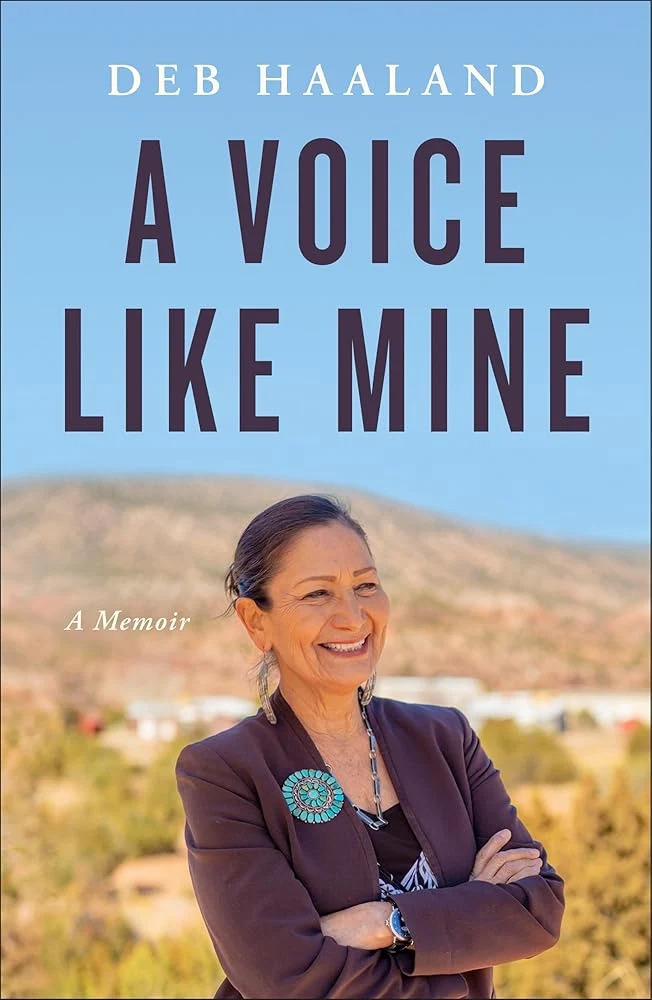
By Deb Haaland. 2026. Holt.
The first Native American to serve in the federal cabinet, former Secretary of the Interior Haaland goes deeper than politics, revealing her experiences as a marathon-running, divorced, single mother and recovering alcoholic still paying off her student loans in this candid and inspiring memoir.
This article was originally published in Booklist Reader, the magazine for library patrons, from the American Library Association’s nationally distributed book review publication, Booklist.
Every month, Booklist Reader features must-read lists, author interviews, and top reading recommendations for adults, youth, and audiobook lovers.
Libraries can order print copies and share digital issues with a Booklist subscription. Ask at your library if they carry Booklist Reader in print. ALA members and Supporters of the American Library Association receive a free subscription as a benefit.
With library funding being gutted and censorship on the rise, supporting libraries is more critical than ever. If you’re looking for a way to help, we urge you to become a Supporter of the American Library Association by donating.
At the American Library Association, we are here to protect libraries — today and for generations to come. What does your donation do? It helps a neighbor gain skills to start a business. It helps a child discover themselves through books and programs. And it helps keep libraries strong, open, and free for everyone.
Subscribe to the I Love Libraries newsletter! You’ll get news from the library world, advocacy updates, author interviews, book lists, and more delivered to your inbox every month.
| Cookie | Duration | Description |
|---|---|---|
| cookielawinfo-checkbox-analytics | 11 months | This cookie is set by GDPR Cookie Consent plugin. The cookie is used to store the user consent for the cookies in the category "Analytics". |
| cookielawinfo-checkbox-functional | 11 months | The cookie is set by GDPR cookie consent to record the user consent for the cookies in the category "Functional". |
| cookielawinfo-checkbox-necessary | 11 months | This cookie is set by GDPR Cookie Consent plugin. The cookies is used to store the user consent for the cookies in the category "Necessary". |
| cookielawinfo-checkbox-others | 11 months | This cookie is set by GDPR Cookie Consent plugin. The cookie is used to store the user consent for the cookies in the category "Other. |
| cookielawinfo-checkbox-performance | 11 months | This cookie is set by GDPR Cookie Consent plugin. The cookie is used to store the user consent for the cookies in the category "Performance". |
| viewed_cookie_policy | 11 months | The cookie is set by the GDPR Cookie Consent plugin and is used to store whether or not user has consented to the use of cookies. It does not store any personal data. |