
Whether in a cubicle or home office, workplace culture is full of absurdities that anyone who has held a job can appreciate. From apathetic coworkers scrolling TikTok to illicit romances, the full extent of the foibles of humanity are on display, so it’s no wonder fiction writers have mined its depths. These novels capture the humor, heartbreak, madness, and even terror that encapsulate the modern workplace.—Elizabeth Reiser
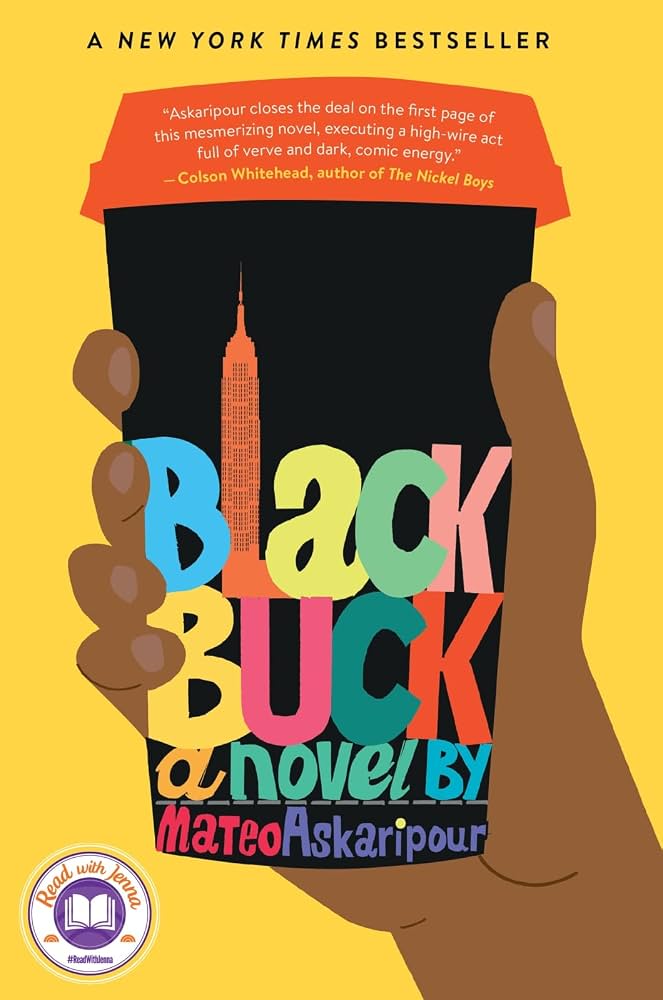
By Mateo Askaripour. 2021. Mariner.
When a chance encounter gives Darren the chance at a dream job, he reinvents himself as a ruthless salesman. Then tragedy strikes. Tackling race in corporate America, Askaripour’s novel is darkly funny and insightful.
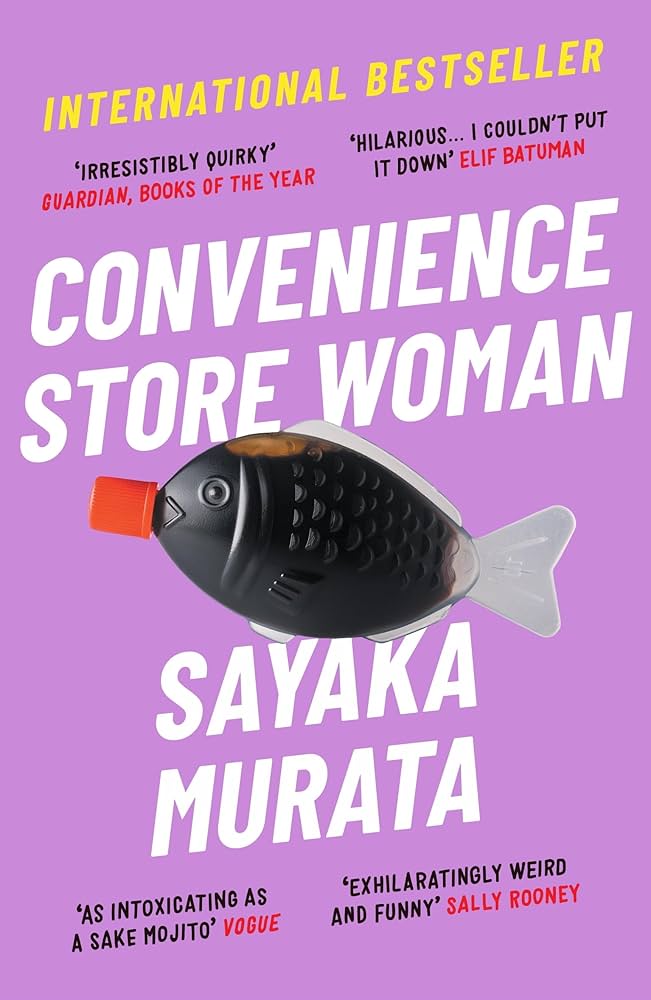
By Sayaka Murata. Tr. by Ginny Tapley Takemori. 2018. Grove.
Keiko is content working in a convenience store, until others question her path, making her begin to do the same. This short novel explores career expectations and what it means when your identity becomes lost in work.
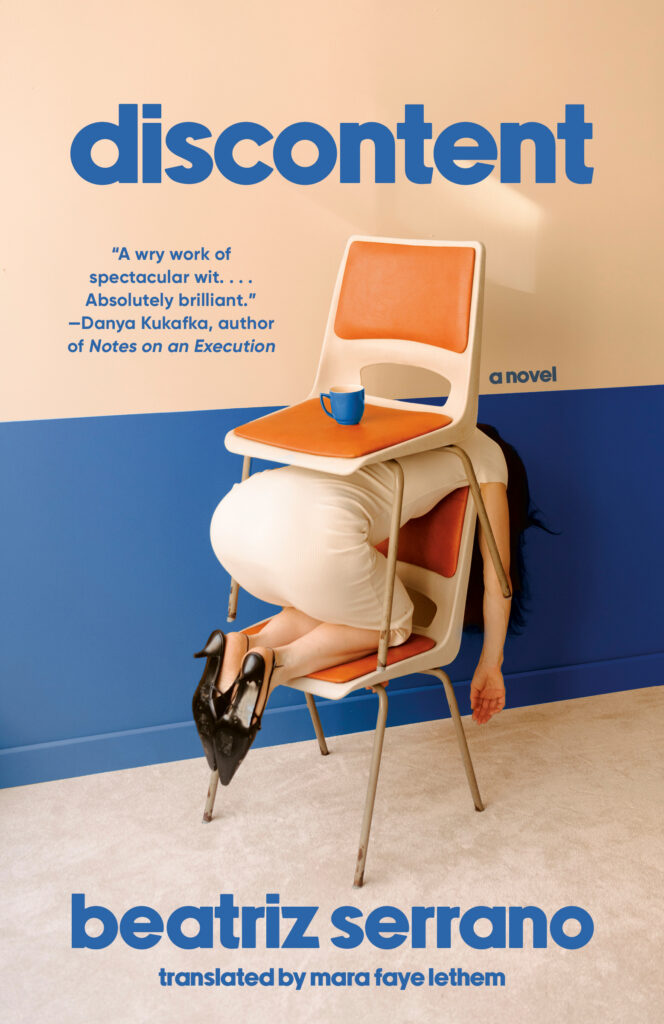
By Beatriz Serrano. Tr. by Mara Faye Lethem. 2025. Vintage.
Marisa appears to be a successful young woman excelling in life, but she is bored and angry. She hates her job and everyone around her and spends most of her workday stealing ideas from others between bouts of watching YouTube and self-medicating.
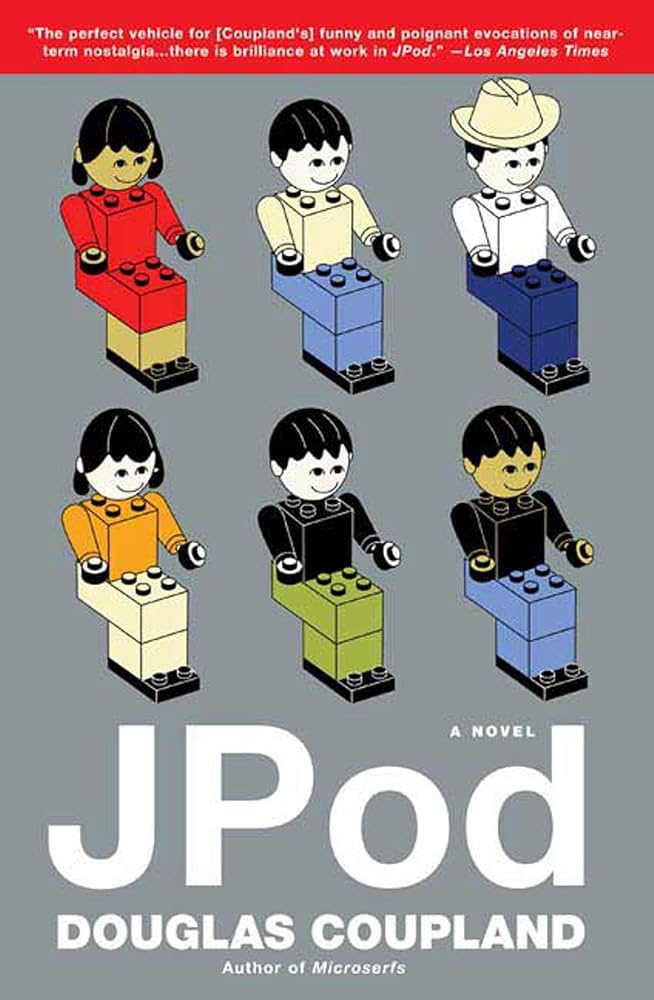
By Douglas Coupland. 2006. Bloomsbury.
Coupland was an early satirist of the digital workplace in Microserfs (1995). Here he portrays a bunch of precocious, angsty designer-geeks whose last names start with J slotted into a pod of cubicles in a giant Vancouver videogame corporation.
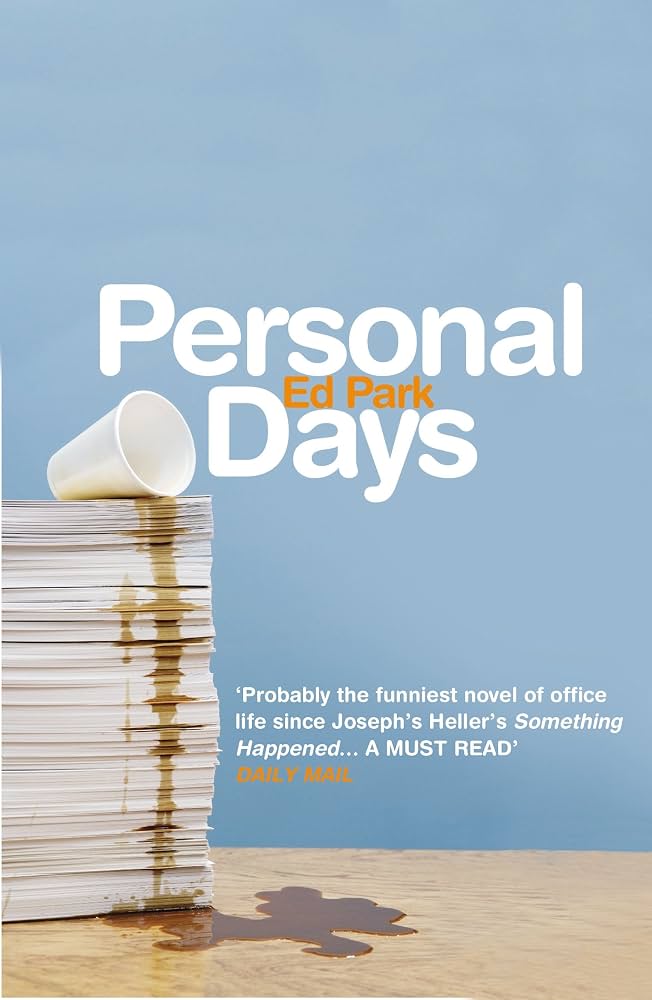
By Ed Park. 2008. Random House.
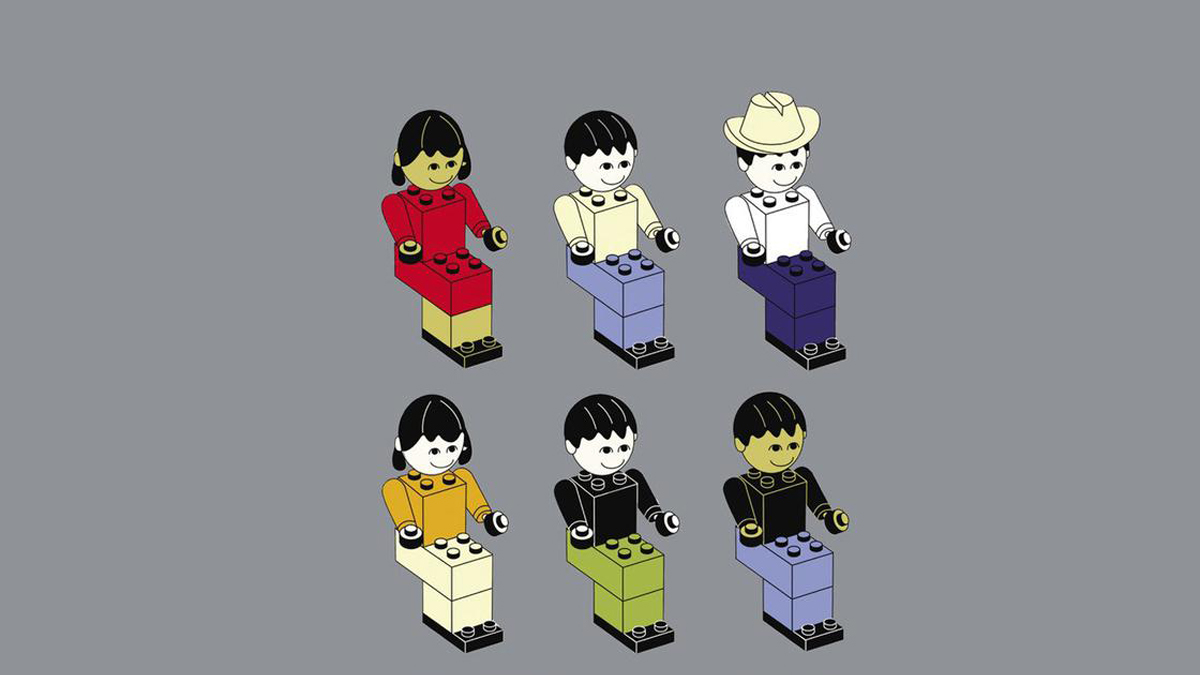
Park’s version of the office tale offers a satirical look at the hours we lose to workplace absurdity. Compared to the TV show “The Office,” but with a bit of mystery thrown in, this vignette-like tale is a humorous take on corporate culture. Art from the cover of Discontent.
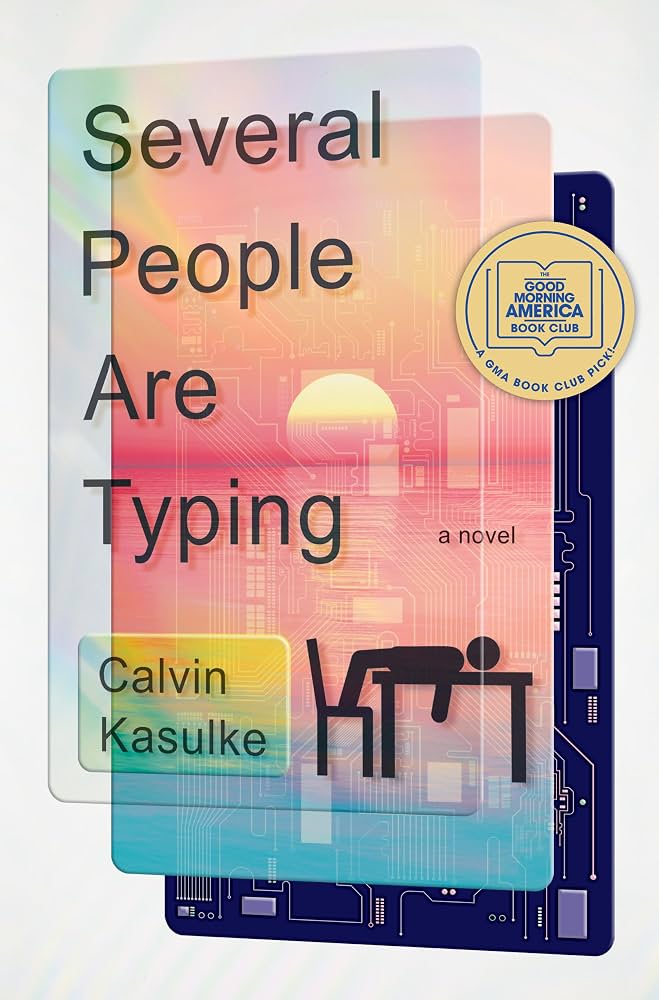
By Calvin Kasulke. 2021. Doubleday.
In Kasulke’s inventive, funny, tender, and compelling first novel, told in Slack messages, Gerald, a middling employee at a New York public-relations firm, has his consciousness uploaded to the workplace app. While kind coworker Pradeep tends to his bodily needs, Gerald’s productivity increases.
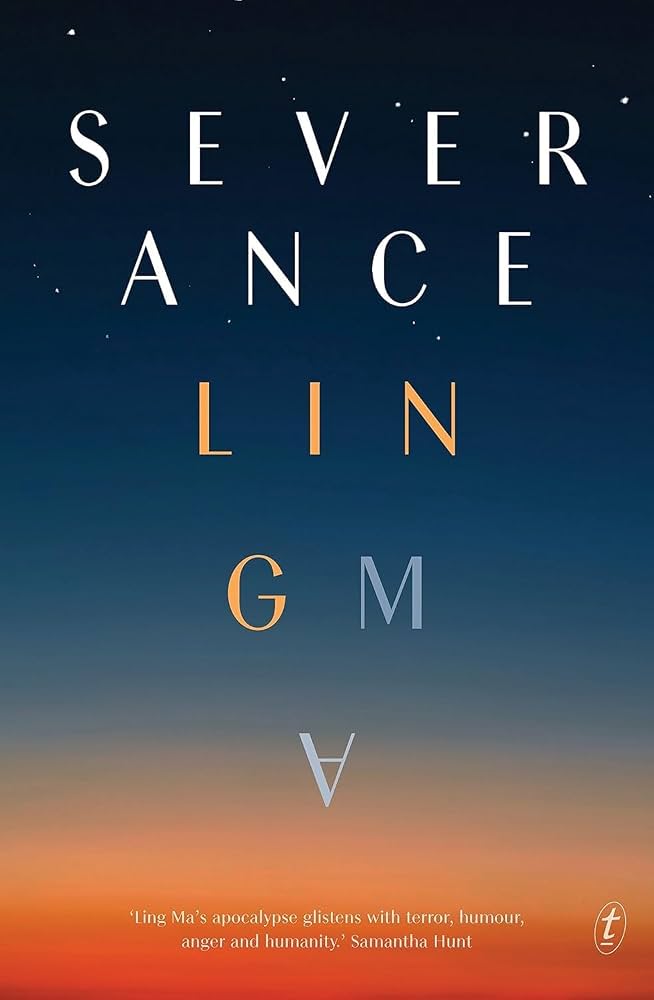
By Ling Ma. 2018. Farrar.
Set in a postapocalyptic America, Ma’s tale follows Candace Chen as she navigates a zombie pandemic. Rather than eating brains, these zombies are forced to perform mindless routines repeatedly. A commentary on identity, consumerism, and how we prioritize work.
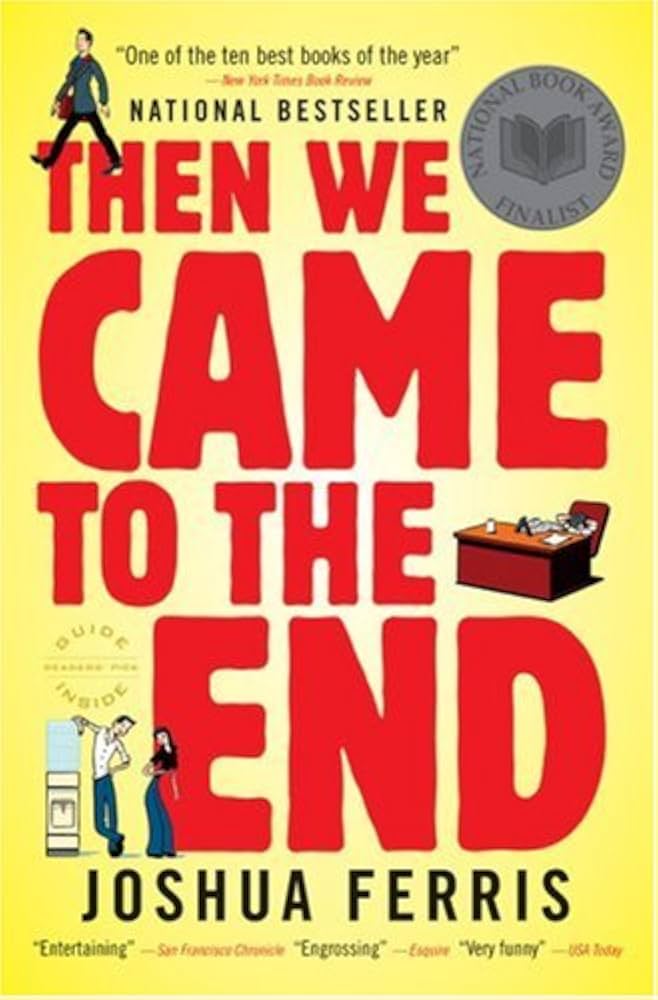
By Joshua Ferris. 2007. Little, Brown.
Ferris captures the ennui of the workers at an advertising agency where layoffs are running rampant. By using the first-person plural point of view, the novel makes the reader feel like a temp worker observing both the ridiculous and the mundane of a failing corporate office.
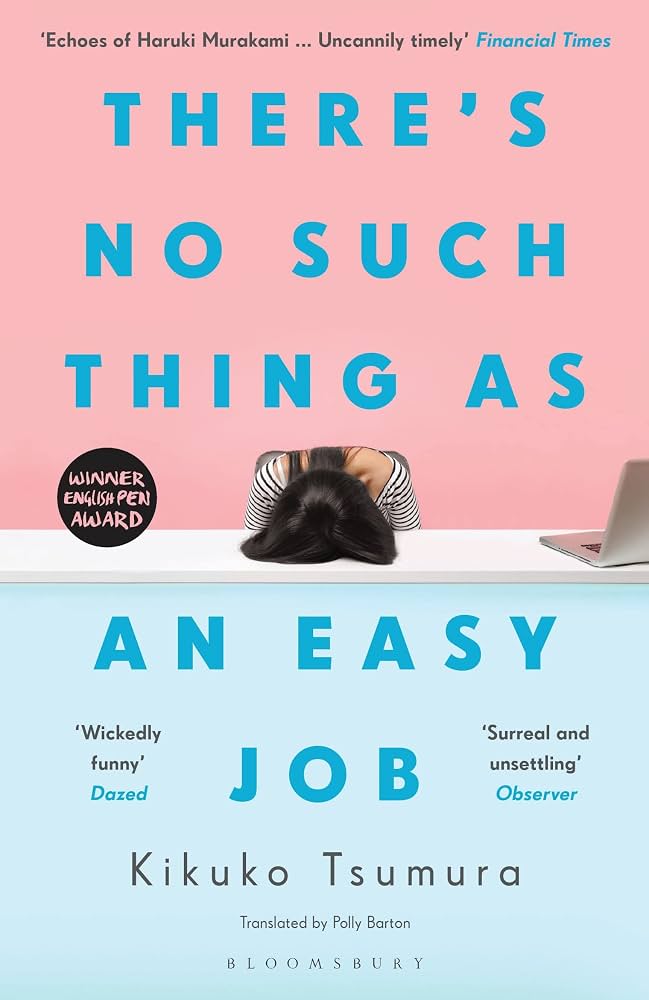
By Kikuko Tsumura. 2021. Bloomsbury.
Feeling burnt out, a woman decides to take on temp jobs that involve very little thinking on her part. As the narrator moves from job to job, convenience and ease aren’t making her happy. The question is how one finds meaning in a culture that prizes work so highly.
This article was originally published in Booklist Reader, the magazine for library patrons, from the American Library Association’s nationally distributed book review publication, Booklist.
Every month, Booklist Reader features must-read lists, author interviews, and top reading recommendations for adults, youth, and audiobook lovers.
Libraries can order print copies and share digital issues with a Booklist subscription. Ask at your library if they carry Booklist Reader in print. ALA members and Supporters of the American Library Association receive a free subscription as a benefit.
With library funding being gutted and censorship on the rise, supporting libraries is more critical than ever. If you’re looking for a way to help, we urge you to become a Supporter of the American Library Association by donating.
At the American Library Association, we are here to protect libraries — today and for generations to come. What does your donation do? It helps a neighbor gain skills to start a business. It helps a child discover themselves through books and programs. And it helps keep libraries strong, open, and free for everyone.
Subscribe to the I Love Libraries newsletter! You’ll get news from the library world, advocacy updates, author interviews, book lists, and more delivered to your inbox every month.


| Cookie | Duration | Description |
|---|---|---|
| cookielawinfo-checkbox-analytics | 11 months | This cookie is set by GDPR Cookie Consent plugin. The cookie is used to store the user consent for the cookies in the category "Analytics". |
| cookielawinfo-checkbox-functional | 11 months | The cookie is set by GDPR cookie consent to record the user consent for the cookies in the category "Functional". |
| cookielawinfo-checkbox-necessary | 11 months | This cookie is set by GDPR Cookie Consent plugin. The cookies is used to store the user consent for the cookies in the category "Necessary". |
| cookielawinfo-checkbox-others | 11 months | This cookie is set by GDPR Cookie Consent plugin. The cookie is used to store the user consent for the cookies in the category "Other. |
| cookielawinfo-checkbox-performance | 11 months | This cookie is set by GDPR Cookie Consent plugin. The cookie is used to store the user consent for the cookies in the category "Performance". |
| viewed_cookie_policy | 11 months | The cookie is set by the GDPR Cookie Consent plugin and is used to store whether or not user has consented to the use of cookies. It does not store any personal data. |