
A New Mechanism for Dialogue: Virtual Reality Programs in Academic Libraries
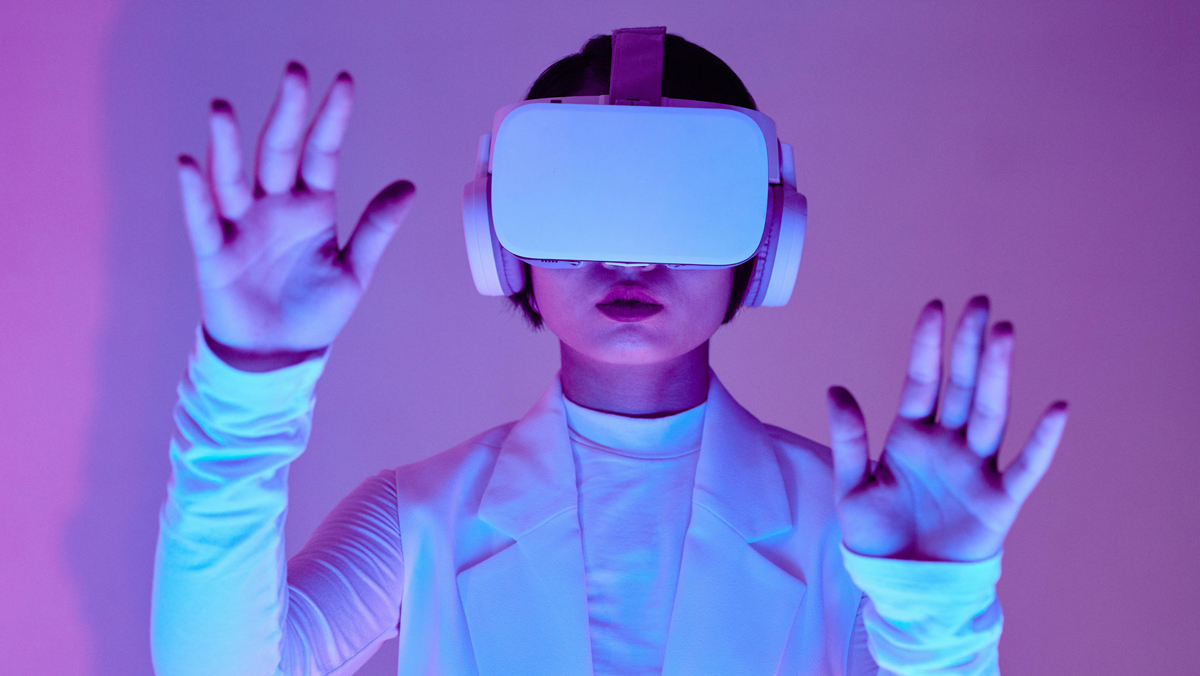
Virtual reality (VR) has popped up in many libraries in recent years, sparking everything from senior-focused programs to virtual travel experiences to tween and teen STEAM programs. Using a headset, such as the Oculus, allows participants to immerse themselves into new worlds and experiences. In an academic library, VR can enhance educational takeaways from historical and cultural events and tie into curriculum.

Cornell University Library To Go Inside Algorithms

Algorithms dictate how many of us live our lives these days, setting parameters for automated tasks as diverse as recommending movies on Netflix and books to buy on Amazon to helping drivers navigate with GPS. But what are algorithms exactly and how do they work?

Cornell University Library in Ithaca, New York, is going to be making huge strides in helping the public learn about algorithms thanks to a grant it received from the Institute of Museum and Library Sciences (IMLS). The grant will support an 18-month project aimed at creating open educational resources on algorithmic literacy—building the public’s knowledge about what algorithms are, how they function, and how they shape modern life.