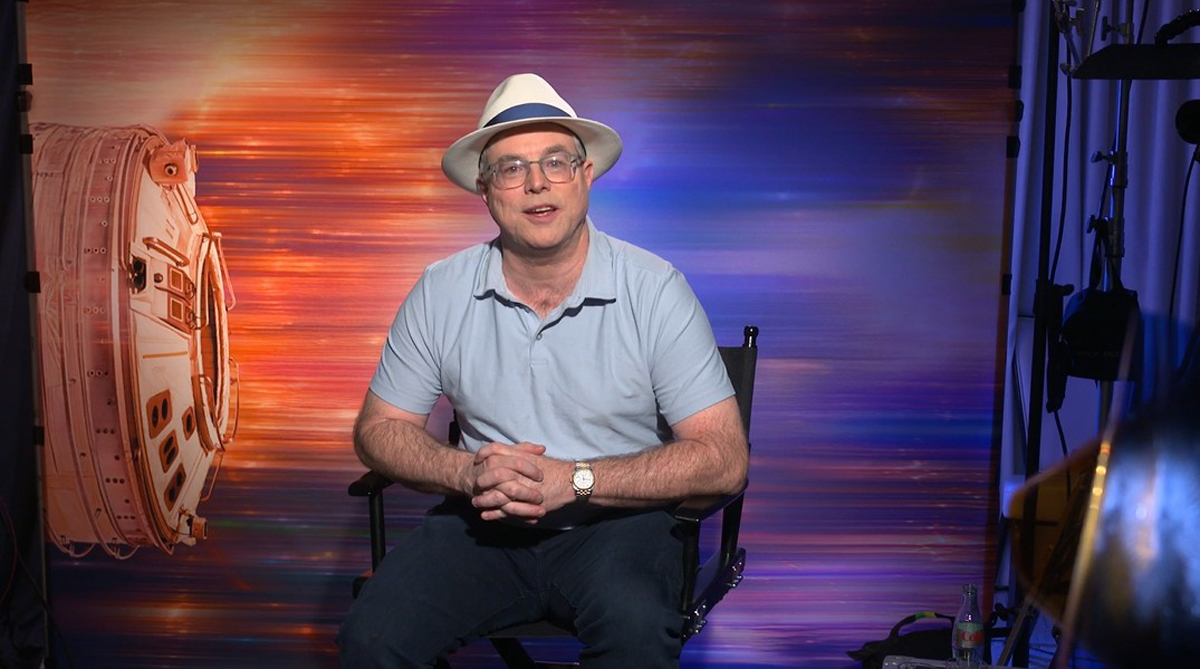
Thanks to your advocacy, Congress funded libraries in FY (fiscal year) 2026! Learn more about the outcome of last year’s budget cycle from the American Library Association’s (ALA) Lisa Varga.
Now it’s time to fund libraries this year, for FY27.
The U.S. House of Representatives has kicked off its “Dear Appropriator” letter process about a month and a half earlier than they did in 2025. We need advocates like you to pitch in.
It’s critical that lawmakers who may be on the fence or even against federal library funding hear that their constituents support these programs so that they sign on by March 20.
What is the federal budget process and how does it fund libraries?
Each year, Congress must pass 12 spending bills for the entire government, establishing funding levels for hundreds of programs, including the Library Services and Technology Act (LSTA), administrated through the Institute of Museum and Library Services, and the Innovative Approaches to Literacy (IAL) program in the Department of Education.
Congressmembers in both the House and the Senate draft “Dear Appropriator” letters to members of each chamber’s Appropriations Committees, urging those leaders to appropriate the funding for certain programs, like library services. Lawmakers are encouraged to sign onto as many different “Dear Appropriator” letters that they want. Although the Senate letters have yet to be released, the House has set a March 20 deadline to finalize all signatures, which gives our library champions a very small window to gain supporters.
Rep. Jim McGovern (D-MA) and Rep. Don Bacon (R-NE) are leading the two House letters that cover critical library funding in FY27. One letter asks for robust funding (authorized at $232 million) for LSTA, and the second letter asks for at least $50 million for IAL. LSTA supports library programs in local communities nationwide, such as services for veterans and older adults, jobseeker resources, workforce development programs, internet access, early childhood programs, and much more. IAL gives high-needs school libraries resources to help ease the child literacy crisis nationwide, which has continued to get worse since the pandemic. Both programs use a minuscule percentage of the federal budget to have a huge impact on their communities.
The more support we can demonstrate for these “Dear Appropriator” letters, the more likely library funding will be to survive attempted budget cuts. We expect the White House to continue to do everything possible to slash funding for anything outside its preferred priorities, and they’ve made it very clear they do not include library services.
What is the Congressional “Dear Appropriator” letter?
Each year, ALA’s Public Policy and Advocacy Office works with Congressional staff to produce and circulate “Dear Appropriator” letters in Congress, addressed to members of the House and Senate Appropriations Committees, requesting funding amounts for federal programs that support libraries. LSTA funding supports libraries of all types through the Institute of Museum and Library Services (IMLS) and its grant programs, including direct-to-state grants. IAL funding supports school libraries through the Department of Education.
Did your Senators sign on to support library funding in FY2026 or in previous fiscal years?
Did your House Representative sign on to support library funding in FY2026 or in previous fiscal years?
Find out here.
How can you help?
We need library supporters nationwide to contact their U.S. House Representatives in as many ways as they can.
You can start with a phone call. Once you make a call, use our action page to send them an email.
Along with calling and emailing your representatives before the March 20 deadline, you can help spread the word about #FundLibraries on social media and share the impact of IMLS funding in your library or state using our pre-made graphics. Remember to tag your posts with #FundLibraries.
Thank you for your efforts to help #FundLibraries!
Subscribe to the I Love Libraries newsletter! You’ll get news from the library world, advocacy updates, author interviews, videos, podcasts, book lists, and more delivered to your inbox every month.