
This year marks the 250th anniversary of the Declaration of Independence, and there will doubtlessly be many conversations, school lessons, articles, and more about this important anniversary. But the Declaration of Independence wasn’t an isolated event; more than a century of history led up to that moment, and, inevitably, that moment profoundly continues to shape not only the boundaries of our country but our culture, values, and identity as a nation. As young readers confront the meaning of America’s 250th birthday, it’s important to allow them to see the wider picture beyond the keystone document and the familiar roster of “founding fathers” that fill the pages of history textbooks. The following titles together offer a rich variety of perspectives on the decades leading up to the American Revolution, the important events of America’s fight for independence, and the early days of the new nation as it expanded it borders and wrestled with what life, liberty, and the pursuit of happiness mean in practice.—Sarah Hunter, Editor, Books for Youth, at Booklist
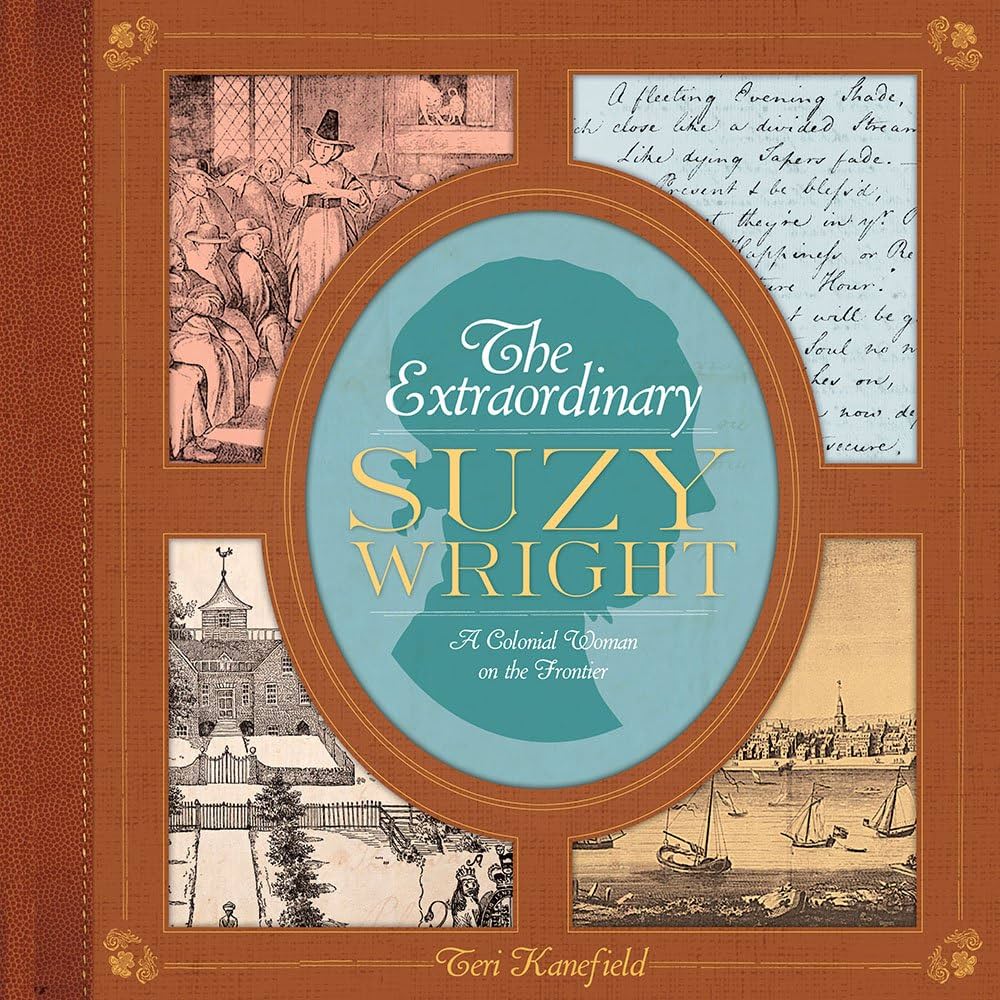
“The Extraordinary Suzy Wright: A Colonial Woman on the Frontier”
By Teri Kanefield. 2016. Abrams. Gr. 5–8.
Lawyer, scientist, Quaker diplomat, poet, and frontier settler are among the identities easy to attach to Suzy Wright, an eighteenth-century colonial American. Incorporating ample primary-source materials, this lush volume offers a robust account of both Wright and the decades leading up to the Revolution.
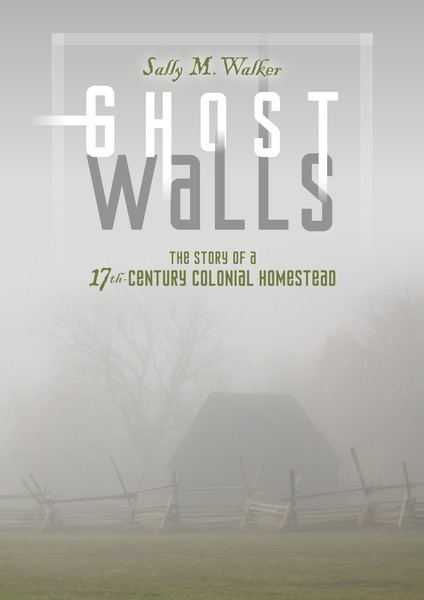
“Ghost Walls: The Story of a 17th-Century Colonial Homestead”
By Sally M. Walker. 2014. Carolrhoda. Gr. 7–11.
While this book deals largely with archeology, the findings of the researchers Walker follows paint a vivid picture of a late-seventeenth-century homestead in Maryland and the people who lived and struggled there.
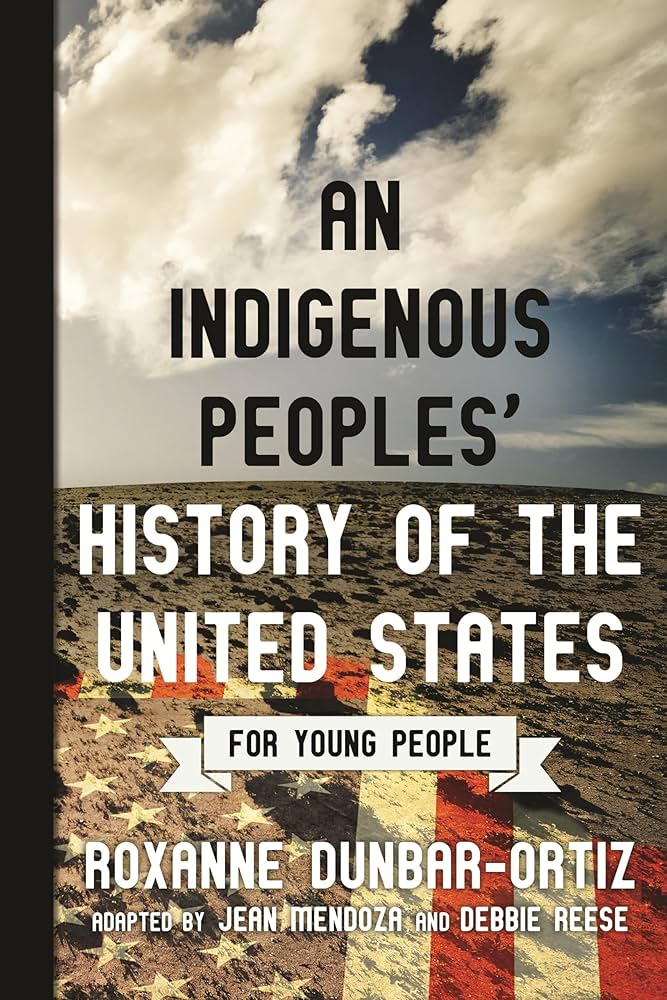
“An Indigenous Peoples’ History of the United States for Young People”
By Roxanne Dunbar-Ortiz and others. 2019. Beacon. Gr. 7–12.
The history of Indigenous people in North America is an inextricable part of any discussion of the founding of the U.S., and this sharp, comprehensive history does an excellent job of laying bare the historical facts while neatly tying together past and present. Important and deeply thought provoking.
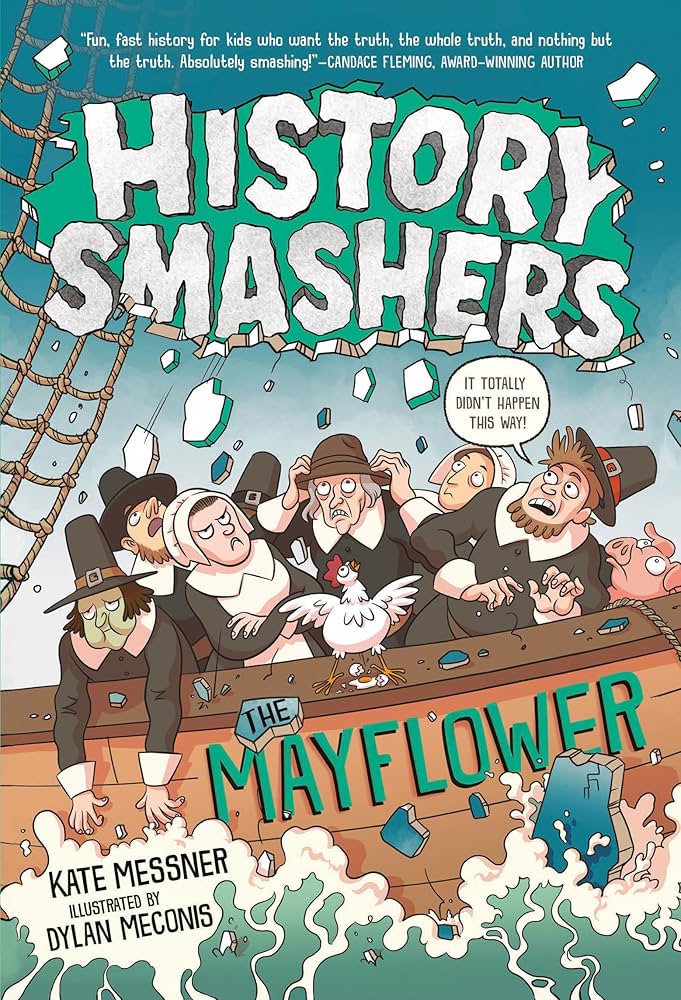
“The Mayflower”
By Kate Messner. Illus. by Dylan Meconis. 2020. Random. Gr. 4–7.
Messner and Meconis’ excellent History Smashers series here takes on the familiar story of the Pilgrims’ arrival at Plymouth Rock, debunking common myths, asking powerful questions about how we learn about the past, and engagingly revealing the truth in an entertaining and fact-packed package.
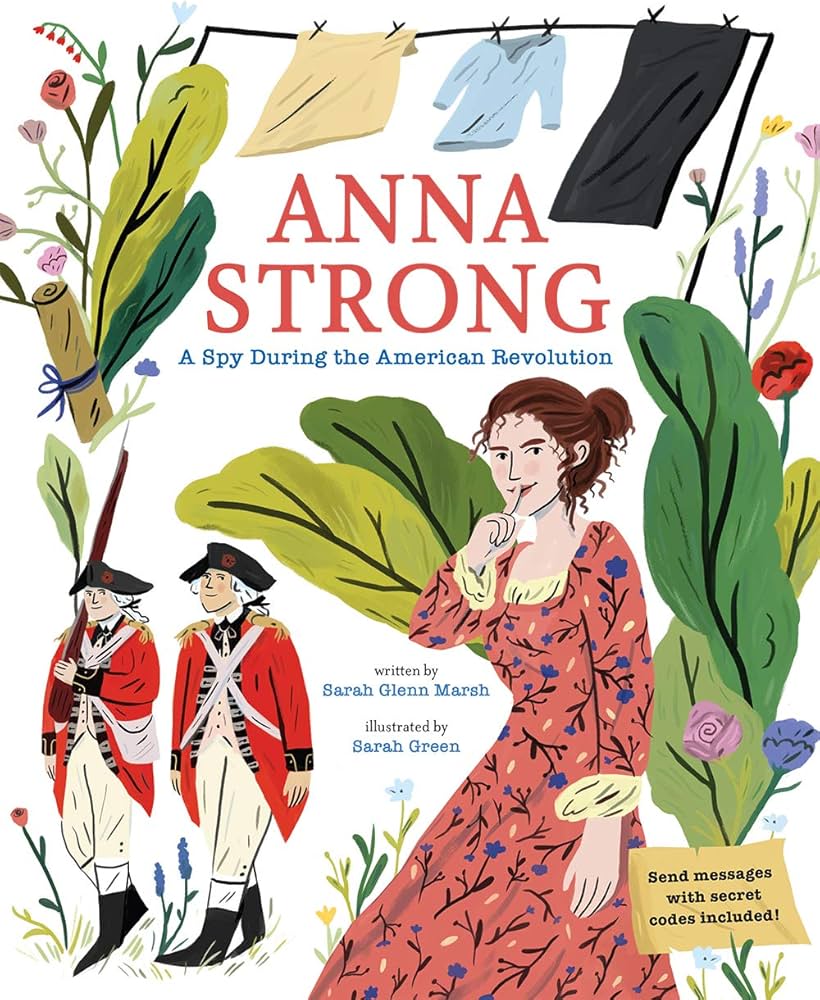
“Anna Strong: A Spy during the American Revolution”
By Sarah Glenn Marsh. Illus. by Sarah Green. 2020. Abrams. Gr. 2–4.
The only woman in the Culper Ring, Anna Strong rebelled against her loyalist family by eavesdropping on the British army and cleverly leaving encoded messages, which is the focus of this engaging picture book.
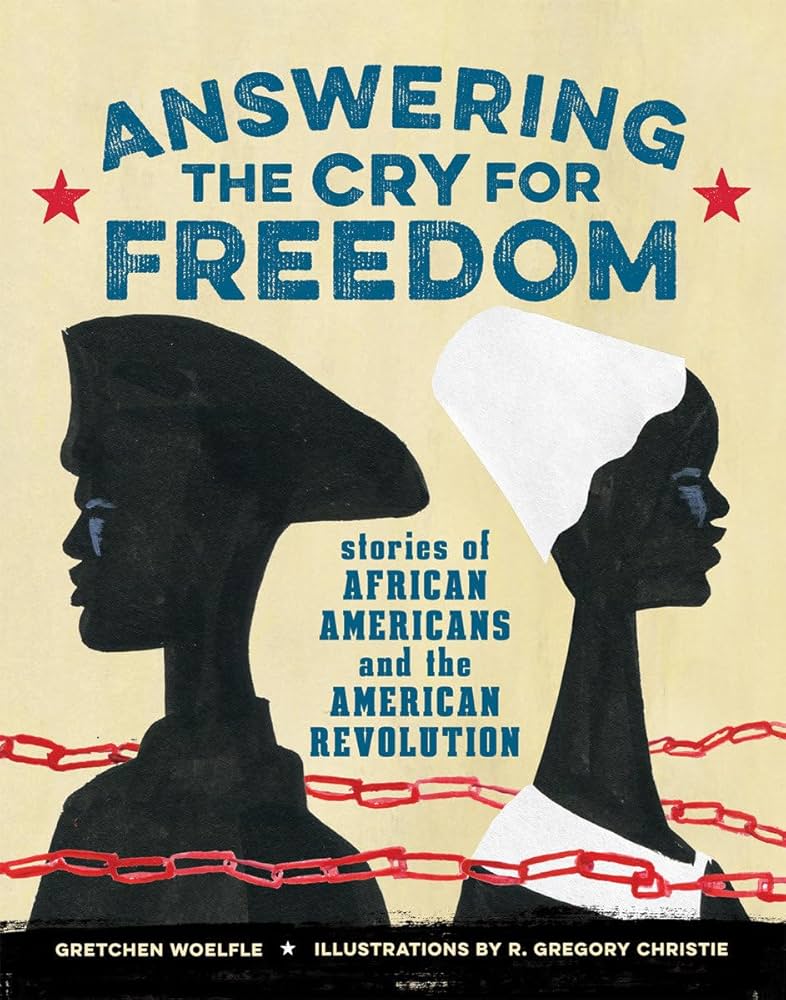
“Answering the Cry for Freedom: Stories of African Americans and the American Revolution”
By Gretchen Woelfle. Illus. by R. Gregory Christie. 2016. Astra/ Calkins Creek. Gr. 5–8.
In showcasing the lives of 13 eighteenth-century figures, this collective biography examines the challenges and contradictions of life for African Americans in the founding era and offers an honest look at the complicated, often hypocritical ideas Americans had about liberty.
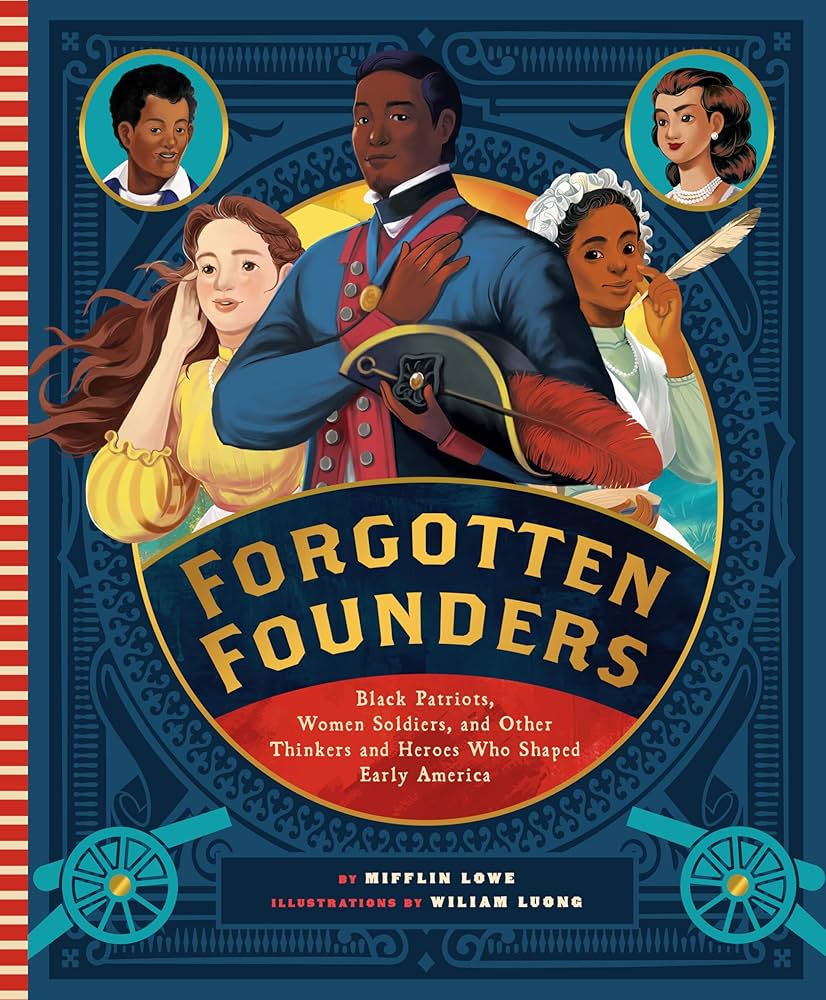
“Forgotten Founders: Black Patriots, Women Soldiers, and Other Thinkers and Heroes Who Shaped Early America”
By Mifflin Lowe. Illus. by Wiliam Luong. 2022. Bushel & Peck. Gr. 4–6.
Shining a light on overlooked figures from the Revolutionary War era is the goal of this splashy, illustrated overview, which covers familiar individuals, such as Abigail Adams, as well as such lesser-known people as Cuffee Saunders and Deborah Sampson.
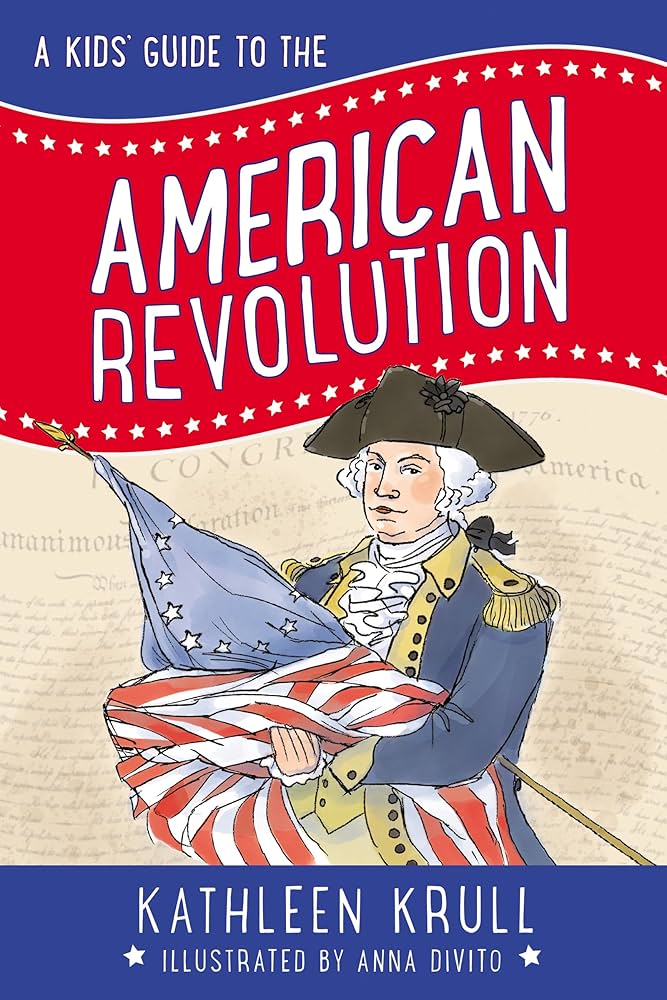
“A Kids’ Guide to the American Revolution”
By Kathleen Krull. Illus. by Anna DiVito. 2018. Harper. Gr. 4–7.
This concise guide helpfully walks readers through an easy-to-comprehend chronology of the war while introducing key figures and raising important questions about how women, Indigenous people, and enslaved individuals were treated at the time.
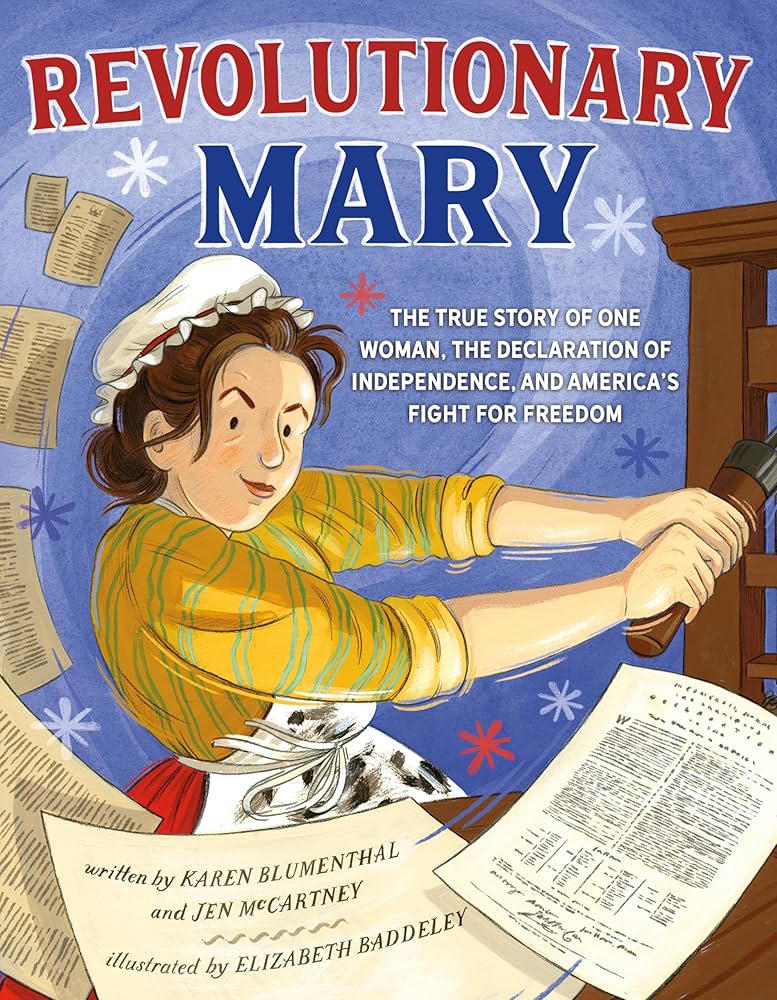
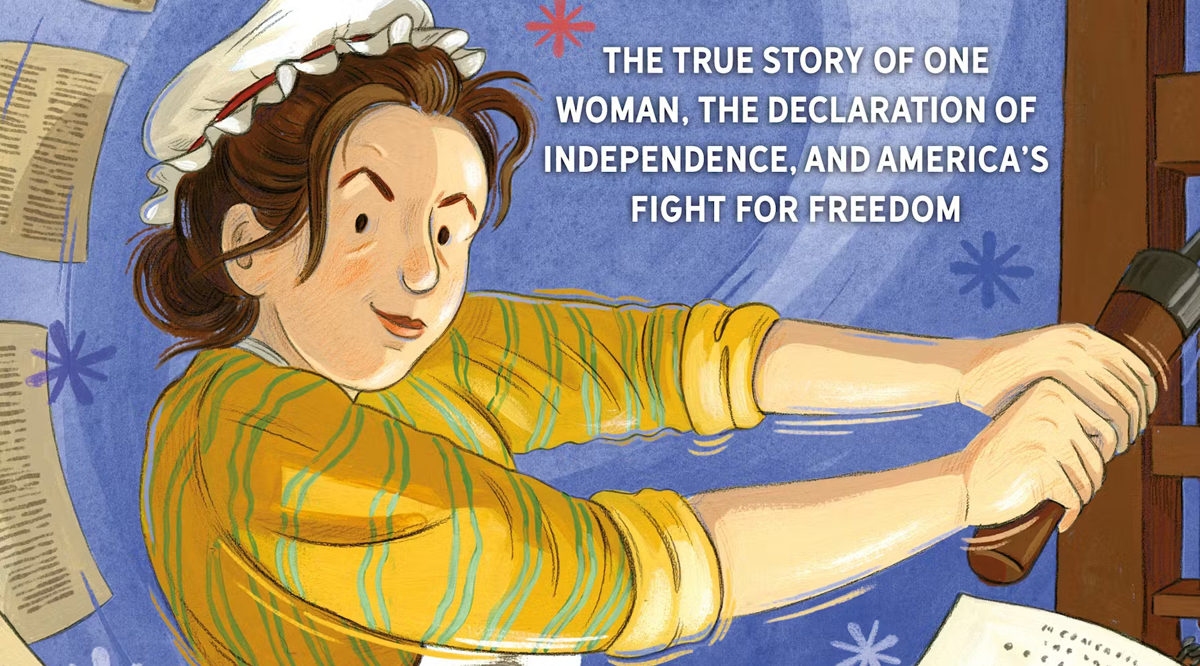
“Revolutionary Mary: The True Story of One Woman, the Declaration of Independence, and America’s Fight for Freedom”
By Karen Blumenthal and Jen McCartney. Illus. by Elizabeth Baddeley. 2025. Roaring Brook. Gr. 1–4.
This lively picture book introduces printer Mary Katharine Goddard, who published copies of the Declaration of Independence— an act considered treason. Biographical information and historical context are neatly folded together in this account that emphasizes the vital importance of a free press.
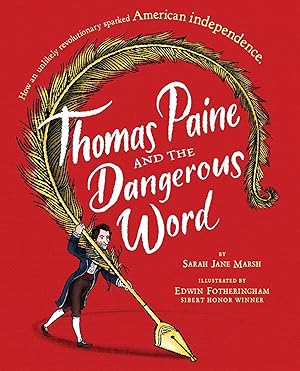
“Thomas Paine and the Dangerous Word”
By Sarah Jane Marsh. Illus. by Edwin Fotheringham. 2018. Disney/ Hyperion. Gr. 2–5.
Thomas Paine’s Common Sense, which rallied colonists to break from England, gets strong, smart treatment here. Marsh presents Paine as a fully fleshed-out individual, whose often overlooked abolitionist views were integral to his story.
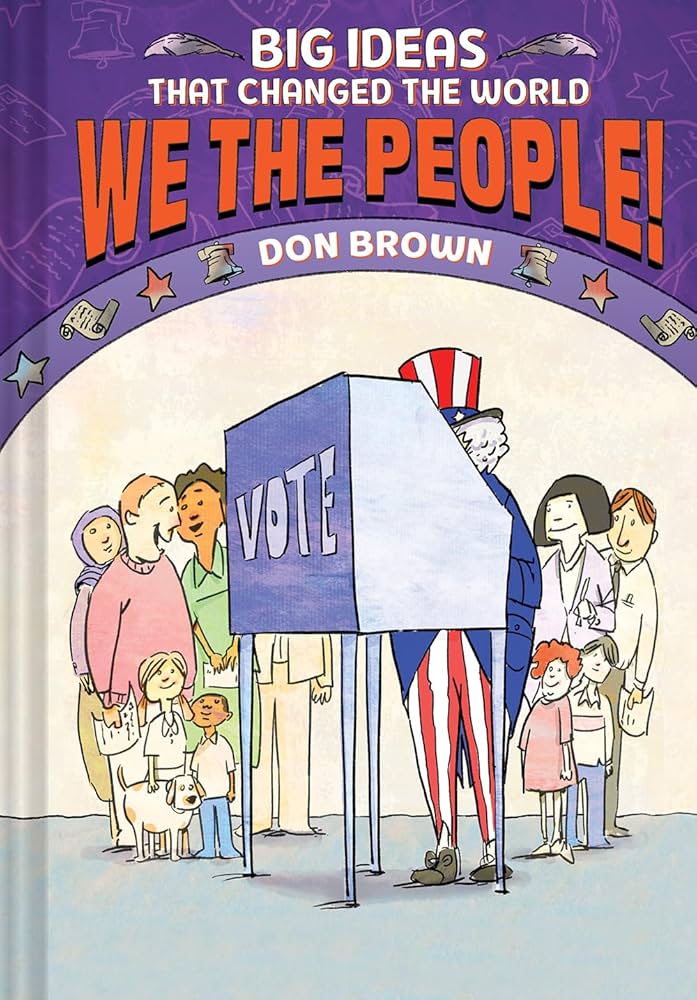
“We the People: Big Ideas that Changed the World #4”
By Don Brown. Art by the author. 2022. Abrams/Amulet. Gr. 4–7.
Brown walks readers through the big idea of democracy in this fact-driven, deeply humane history. Narrated by Abigail Adams, the book introduces the original Greek concept of “people power” before turning to the U.S. and concluding with our continued struggle for true equality.
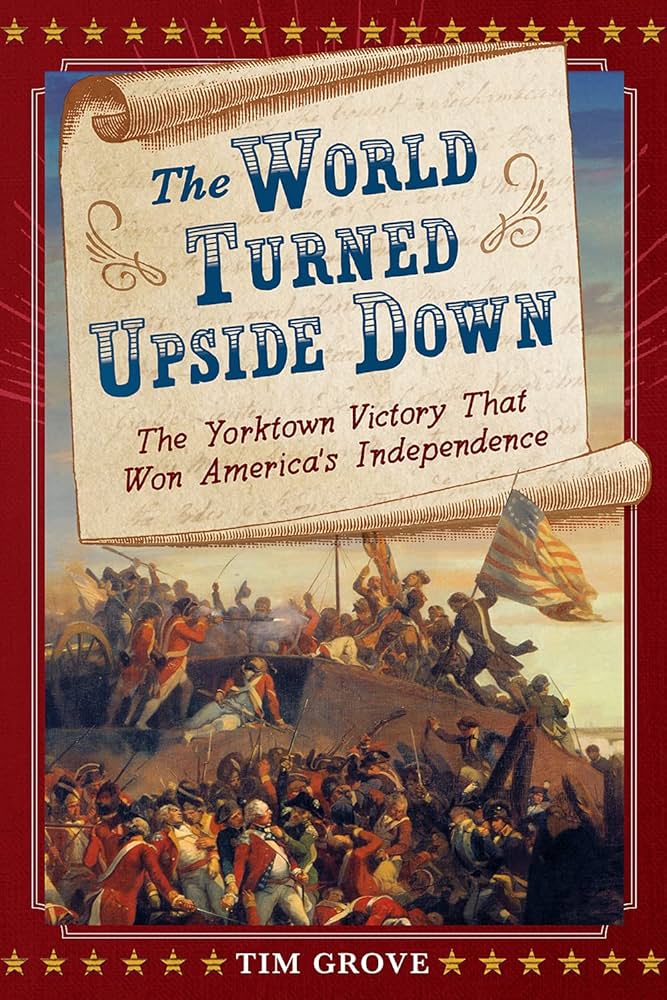
“The World Turned Upside Down: The Yorktown Victory That Won America’s Independence”
By Tim Grove. 2022. Abrams. Gr. 5–8.
This engaging, well-researched, and at times suspenseful book explains the history of the American Revolution, focusing on the decisive battle at Yorktown, Virginia, and depicting the actions of American, British, and French figures—including many enslaved individuals—on both sides of the fight.
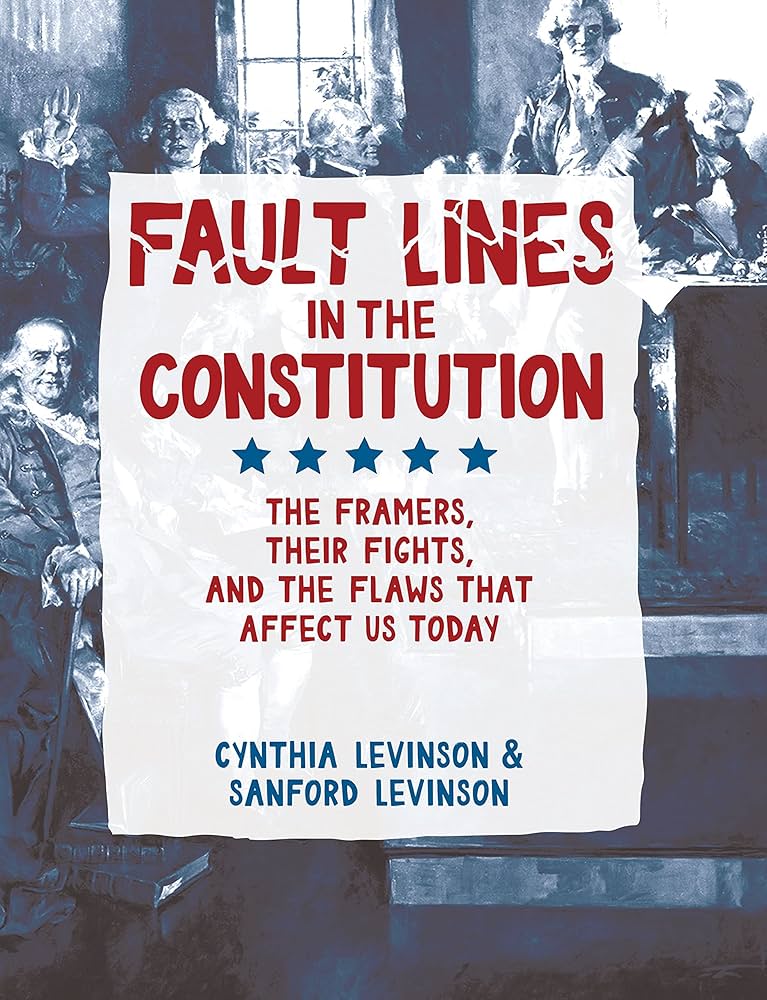
“Fault Lines in the Constitution: The Framers, Their Fights, and the Flaws That Affect Us Today, 3rd edition”
By Cynthia Levinson and Sanford Levinson. 2025. Peachtree. Gr. 6–10.
Though this volume covers a wealth of contemporary topics, its coverage of the Articles of Confederation and the creation of the Constitution offers deep, poignant insight into the framers’ intents and concerns as they tried to create a functional government for a brand-new country.
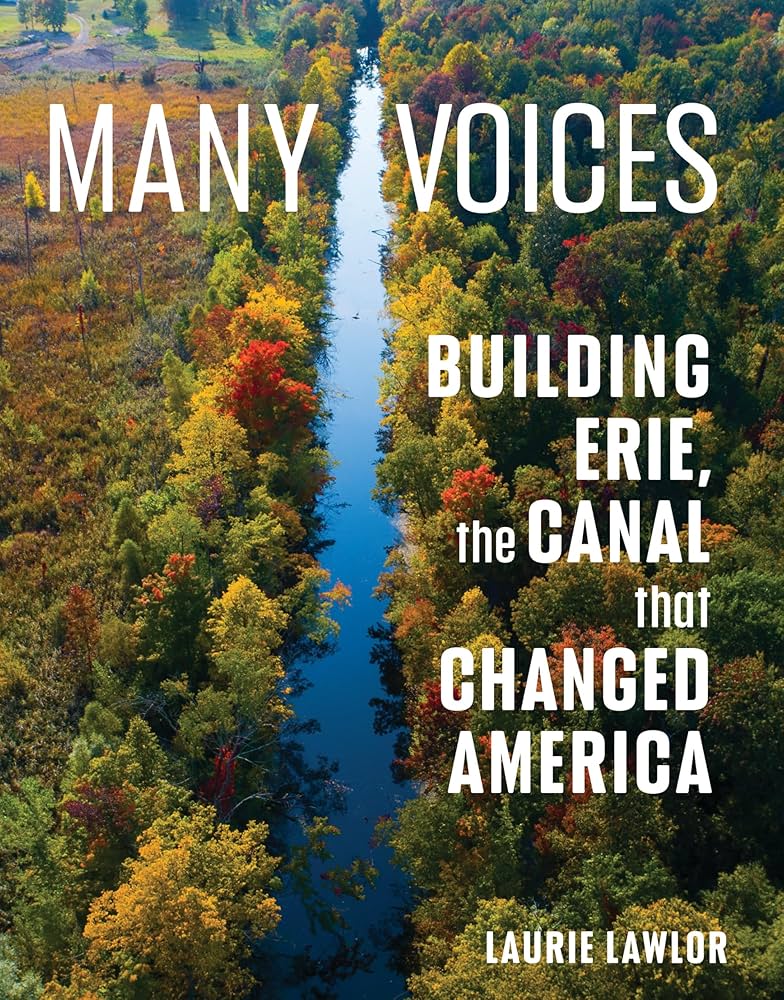
“Many Voices: Building Erie, the Canal That Changed America”
By Laurie Lawlor. 2025. Holiday. Gr. 4–7.
Through the lens of the Erie Canal, Lawlor elucidates the many political, financial, and geographical challenges facing a young America. Simultaneously, Lawlor details the devastating impact on Indigenous tribes in the area and the mistreatment of immigrant and enslaved laborers in the canal’s construction.
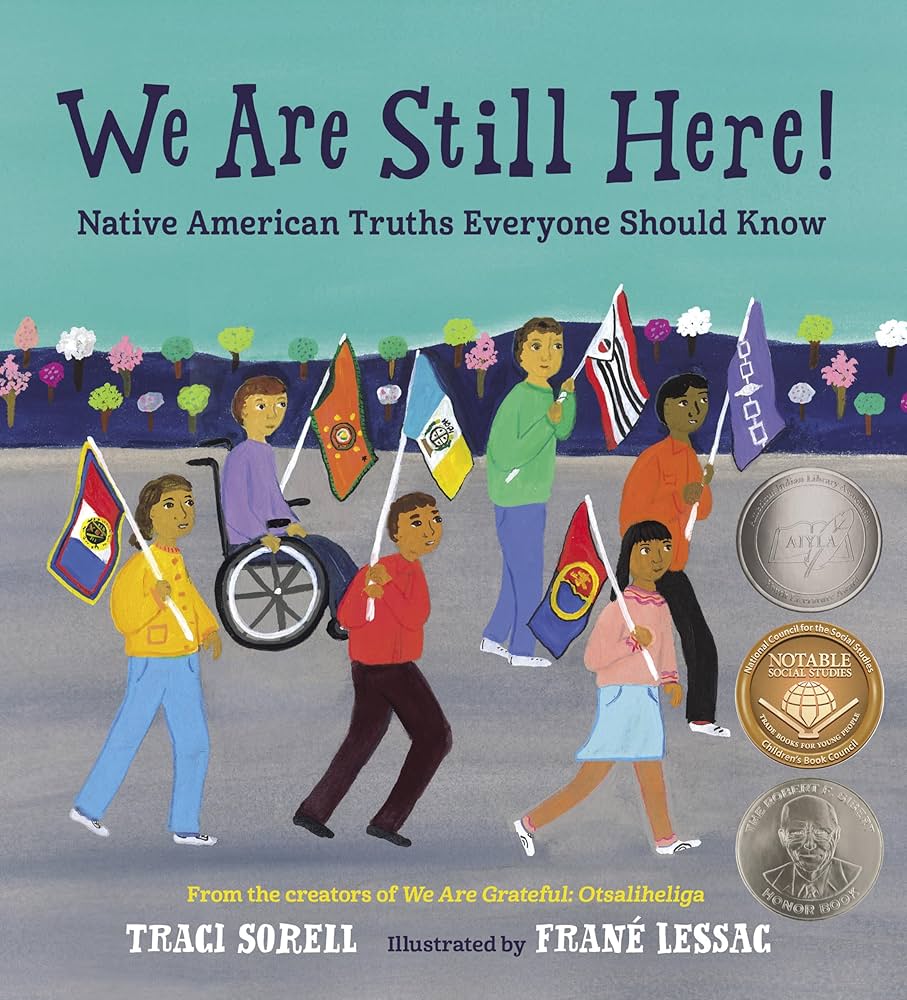
“We Are Still Here! Native American Truths Everyone Should Know”
By Traci Sorell. Illustrated by Frané Lessac. 2021. Charlesbridge. Gr. 2–4.
This general overview of important concepts in Native American history and culture highlights the impact of westward expansion on Indigenous populations. Thoughtfully presented for younger readers, the topics here strongly emphasize that Native Americans are essential to America’s history and present.
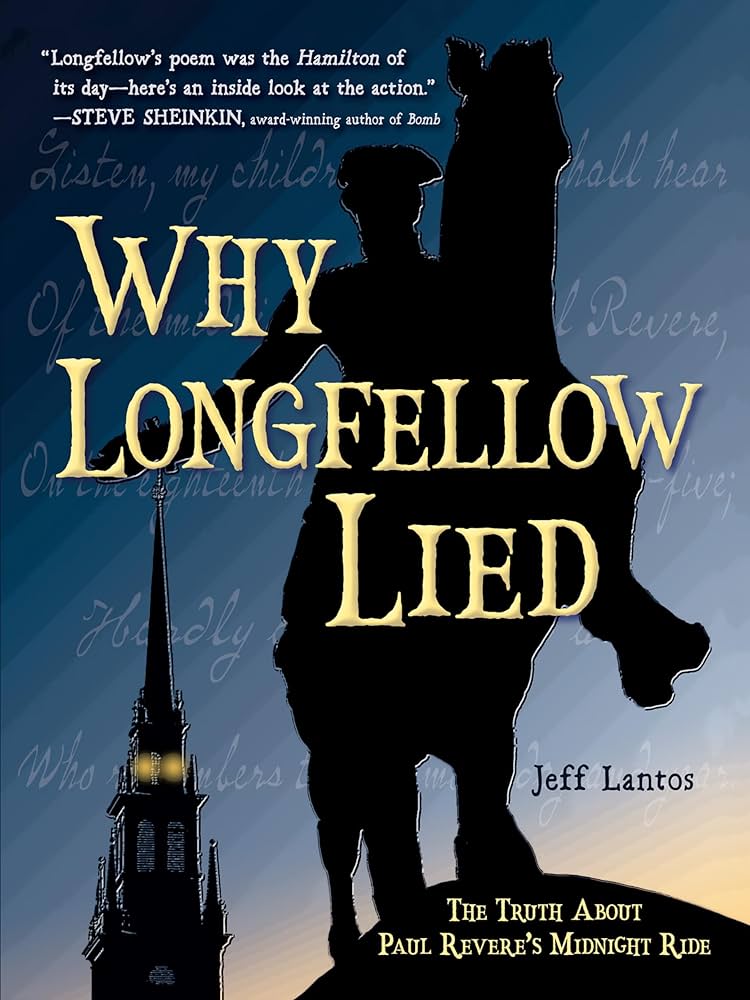
“Why Longfellow Lied: The Truth about Paul Revere’s Midnight Ride”
By Jeff Lantos. 2021. Charlesbridge. Gr. 5–8.
This stanza-by-stanza debunking of notable abolitionist Longfellow’s famed “Paul Revere’s Ride” not only details the facts but explains Longfellow’s larger aim—to galvanize Northern citizens as the Civil War loomed—and explores the effects of making myths out of American history.
This article was originally published in Booklist Reader, the magazine for library patrons, from the American Library Association’s nationally distributed book review publication, Booklist.
Every month, Booklist Reader features must-read lists, author interviews, and top reading recommendations for adults, youth, and audiobook lovers.
Libraries can order print copies and share digital issues with a Booklist subscription. Ask at your library if they carry Booklist Reader in print. ALA members and Supporters of the American Library Association receive a free subscription as a benefit.
With library funding being gutted and censorship on the rise, supporting libraries is more critical than ever. If you’re looking for a way to help, we urge you to become a Supporter of the American Library Association by donating.
At the American Library Association, we are here to protect libraries — today and for generations to come. What does your donation do? It helps a neighbor gain skills to start a business. It helps a child discover themselves through books and programs. And it helps keep libraries strong, open, and free for everyone.
Subscribe to the I Love Libraries newsletter! You’ll get news from the library world, advocacy updates, author interviews, book lists, and more delivered to your inbox every month.

| Cookie | Duration | Description |
|---|---|---|
| cookielawinfo-checkbox-analytics | 11 months | This cookie is set by GDPR Cookie Consent plugin. The cookie is used to store the user consent for the cookies in the category "Analytics". |
| cookielawinfo-checkbox-functional | 11 months | The cookie is set by GDPR cookie consent to record the user consent for the cookies in the category "Functional". |
| cookielawinfo-checkbox-necessary | 11 months | This cookie is set by GDPR Cookie Consent plugin. The cookies is used to store the user consent for the cookies in the category "Necessary". |
| cookielawinfo-checkbox-others | 11 months | This cookie is set by GDPR Cookie Consent plugin. The cookie is used to store the user consent for the cookies in the category "Other. |
| cookielawinfo-checkbox-performance | 11 months | This cookie is set by GDPR Cookie Consent plugin. The cookie is used to store the user consent for the cookies in the category "Performance". |
| viewed_cookie_policy | 11 months | The cookie is set by the GDPR Cookie Consent plugin and is used to store whether or not user has consented to the use of cookies. It does not store any personal data. |