Celebrate National Library Week with Us

April 3-9 is National Library Week—a time for library lovers across the country to celebrate literacy, intellectual freedom, and equitable access to information.

As the COVID-19 pandemic moves into its third year, libraries are proving to be more essential than ever, providing services and programs that have kept communities strong even while socially distancing. The past year saw an unprecedented increase in book challenges and book banning in school and public libraries across the U.S. Librarians have been on the frontlines of these battles, ensuring that everyone has the freedom to read. National Library Week is an opportunity to remind the world that this work matters.

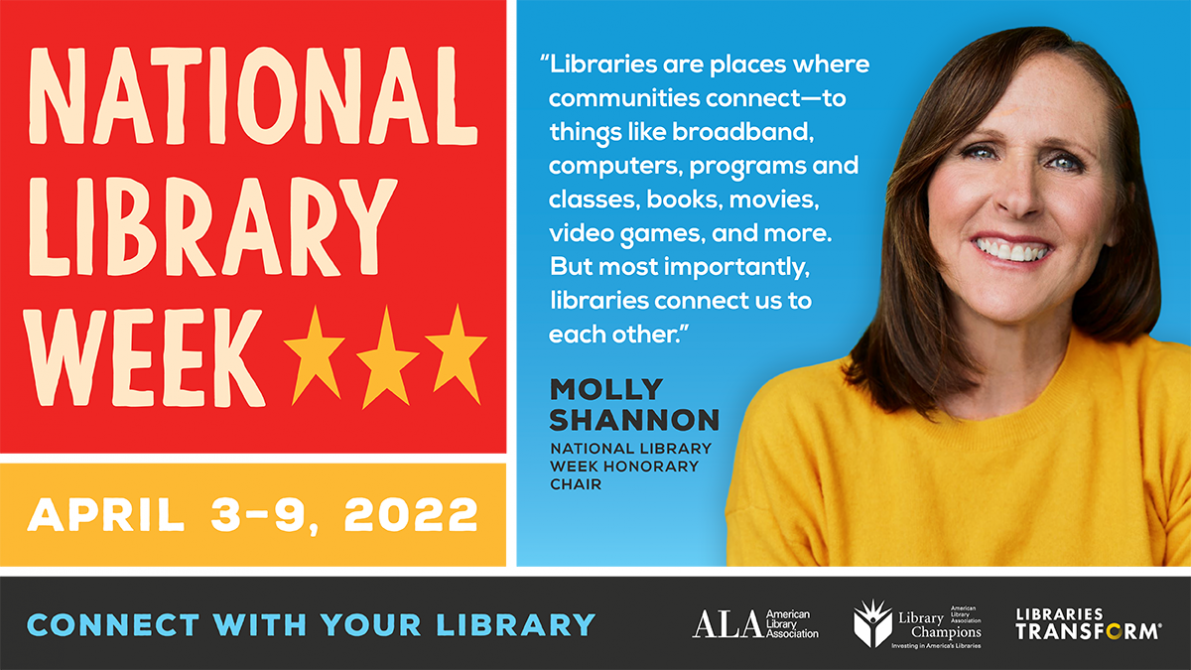
Actress and comedian Molly Shannon will serve as this year’s National Library Week Honorary Chair, helping promote the 2022 theme “Connect with Your Library.” Shannon says she has a deep connection to the library world.

“My mom was a librarian,” Shannon says. “She encouraged kids to read. So, the work of librarians and libraries has such a special place in my heart. Libraries are places where communities connect—to things like broadband, computers, programs and classes, books, movies, video games and more. But most importantly, libraries connect us to each other.”

There are countless ways to join the National Library Week celebration, from attending events at your local library to contacting legislators about library funding. Here are a few of our favorite ways to get involved:

Speak Out for Library Funding

Funding libraries is an investment in our communities: Libraries perform essential social services like promoting literacy, supporting job seekers, and providing access to information for all. National Library Week is the perfect time to contact your legislators to let them know why library funding is so important—and the American Library Association has made it easy to get involved with resources on local, state, and national policy positions; best practices for working with traditional and social media; simple methods to discover exactly who represents you in Washington and locally; advocacy assistance for everything from equity, diversity, and inclusion issues to disaster aid to book challenges; and more.

Read a Banned Book

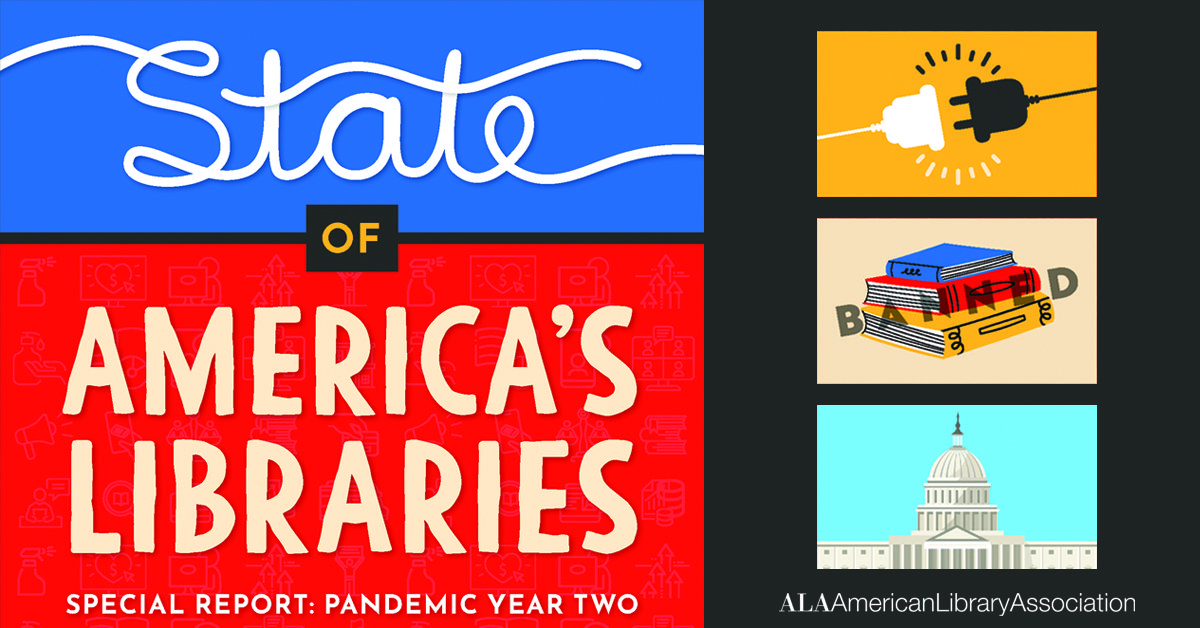
ALA’s Office for Intellectual Freedom tracked 729 challenges to library, school and university materials and services in 2021, resulting in more than 1,597 individual book challenges or removals. Most targeted books were by or about Black or LGBTQIA+ people. Show your support for these books—and the librarians and library workers defending your freedom to read—by reading a banned book. The Top 10 Banned Books List for 2021 will be released on April 5 in ALA’s State of America’s Library Report or you can select a book from past lists, including titles like Stamped: Racism, Antiracism, and You by Ibram X. Kendi and Jason Reynolds, The Bluest Eye by Toni Morrison, Beyond Magenta: Transgender Teens Speak Out by Susan Kuklin, and To Kill a Mockingbird by Harper Lee.

Join the Conversation on Social Media

All week long, we’re asking library users to talk about the connections you’ve made because of their library. Did you find a great book? Get access to computers? Attend a great program or storytime? Did you make new friends at your library’s book club? Post to Instagram, Twitter, or on the I Love Libraries Facebook page using the hashtag #MyLibrary. We’ll gather all the entries, and one randomly selected winner will receive a $100 Visa gift card. The promotion starts Sunday, April 3 at noon CT and ends on Saturday, April 9 at noon CT.

Visit Your Library’s Website

One of the easiest ways to support your library is just to visit their website and use their resources! With countless free ebooks, audiobooks, movies, magazines, databases, and more, your library has something entertaining and informative for everyone. Don’t have a library card? Many libraries allow you to register online-visit your local library’s website or contact a librarian to find out more.

Treat Yourself to Library Merch

Show off your library love with t-shirts from our friends at Out of Print emblazoned with beloved ALA READ posters featuring actor, author, and literacy advocate LeVar Burton and 90s heartthrob Fabio! The best part? Proceeds from these products support the American Library Association’s efforts to promote digital access, combat censorship, and champion much-needed funding for libraries.

Visit the National Library Week website to learn more! And don’t forget to sign up for the I Love Libraries newsletter!

Majority of Voters Support the Freedom to Read

Amid the recent upswing in efforts to ban books across the United States, a new national poll commissioned by the American Library Association (ALA) shows that seven in 10 voters oppose efforts to remove books from public libraries, including majorities of voters across party lines. According to the poll, large majorities of voters (71%) oppose efforts to have books removed from their local public libraries, including majorities of Democrats (75%), independents (58%), and Republicans (70%).

These findings demonstrate that, far from being a partisan issue, book bans are opposed by large majorities of voters of all parties. The value of libraries and librarians has similar bipartisan support, with strong majorities of voters voicing confidence in libraries and favorability toward librarians.

The public trusts librarians

The new poll is the first to approach the issue of book bans through the lenses of public and school libraries. It also found near-universal high regard for librarians and recognition of the critical role that public and school libraries play in their communities.

Three quarters of parents of public school children (74%) that were polled expressed a high degree of confidence in school librarians to make good decisions about which books to make available to children. When asked about specific types of books that have been a focus of local debates, large majorities say for each that that they should be available in school libraries on an age-appropriate basis.

According to the poll, most voters and parents hold librarians in high regard, have confidence in their local libraries to make good decisions about what books to include in their collections, and agree that libraries in their communities do a good job offering books that represent a variety of viewpoints. They also are confident in local public libraries to make good decisions about their collections and think libraries do a good job representing a variety of viewpoints.

Parents support diverse books

A majority of public school parents who were polled affirmed that various types of books should be available in school libraries on an age-appropriate basis. This includes works about US History that focus on the role of slavery and racism in shaping America today, such as the 1619 Project (84%); works of literature that use racial slurs, such as Huckleberry Finn, To Kill a Mockingbird, and Of Mice and Men (82%); novels for young adults that portray police violence against Black people, such as Ghost Boys and The Hate U Give (68%); fiction and non-fiction books about lesbian, gay, and transgender individuals, such as George and This Day in June (65%); and works of fiction that have sexually explicit content, including scenes of sexual violence, such as Beloved and Looking for Alaska (57%).

Impact

“The survey results confirm what we have known and observed: that banning books is widely opposed by most voters and parents,” said ALA President Patricia “Patty” Wong, in a March 24 statement. “As a career librarian who began my career in public libraries working with children, I’m thrilled to see that parents have a high degree of confidence in school libraries’ decisions about their collections and very few think that school librarians ignore parents’ concerns. This truly validates the value and integrity of library professionals at a time when many are feeling burnt out because of accusations made by small but loud groups.”

The survey was conducted by the bipartisan team of Hart Research Associates and North Star Opinion Research on behalf of ALA among 1,000 voters and 472 parents of children in public school. It was conducted March 1, 2022, to March 6, 2022, and the sample is demographically and geographically representative of US voters and parents.

Review the full survey findings, methodology, and more on ALA’s website.

What It Feels Like to Be a Librarian During an Attempt to Ban Books

This is a guest post by Kristin Pekoll, assistant director of the American Library Association’s Office for Intellectual Freedom. 

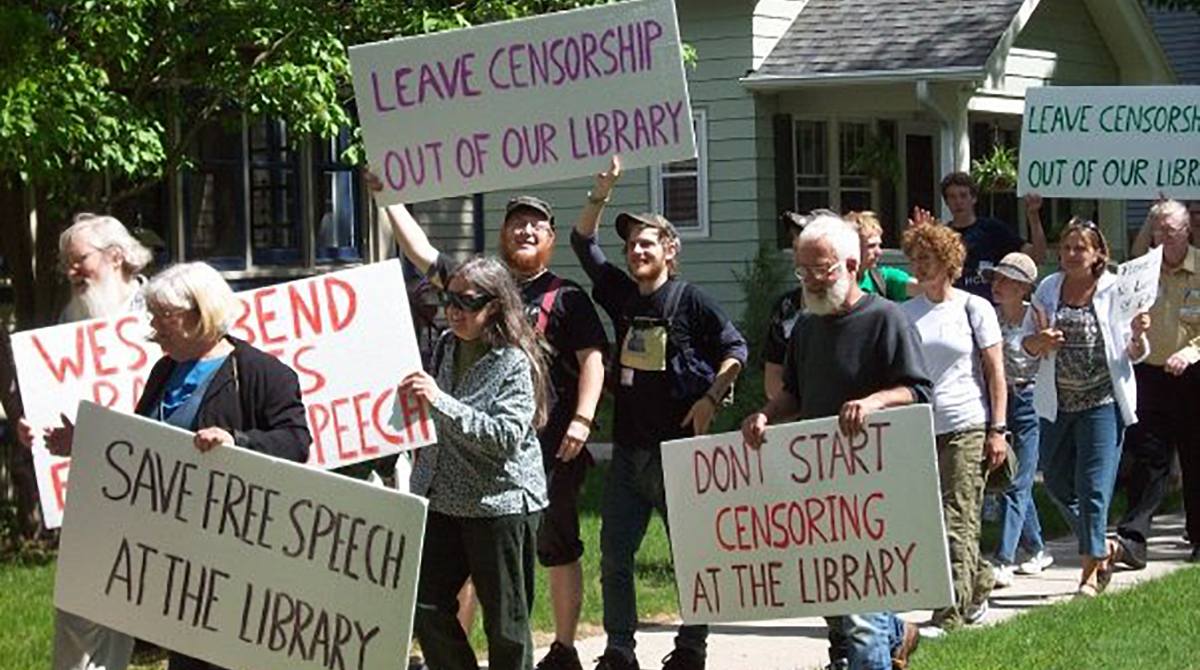
We often hear about book bans from the perspective of the banners, but these events affect whole communities, particularly library professionals on the receiving end of accusations and threats. I know because it happened to me when I was a librarian serving young adults at West Bend (Wis.) Community Memorial Library.

I’ll never forget the day it started: Tuesday, February 3, 2009. That afternoon, we received a request for reconsideration in our library book drop. It was a complaint about a book list on our website titled, “Out of the Closet” Books for LGBTQ Teens. The list had been online for almost 5 years, and it was frequently used by the local high school’s Gay Straight Alliance, whose members often helped me select titles.

By the end of the week, the front page of the local newspaper read, “Library’s Gay Link Criticized.” From there the issue grew beyond concern about the book list to become a formal challenge in which 37 books were singled out for removal—books the complainants felt were gay “propaganda and encourage[d] and normalize[d] illegal behavior.” (The list grew to more than 85 titles by the time the challenge ended.) For the next five months, my life and my library were the subject of dozens of newspaper articles, letters to the editor, social media opinions, blog posts, FOIA requests, emails, and meetings.

Parents wouldn’t let their teens volunteer for the library’s summer reading program because of me. I received voicemails telling me that I was going to hell; that I had a gay agenda; and that I couldn’t be a good mom because I exposed innocent children to pornography. Did I happen to mention I was pregnant throughout this whole experience? Yeah, I was a first-time mom-to-be going through my first book challenge.

I remember walking out the back door of the library and sitting in my car in the parking lot, sobbing uncontrollably some days. I was loaded with pregnancy hormones and so much stress and fear. Was I going to lose my job? Was I doing the right thing? Was I going to be a bad mom?

Early on in this process, someone recommended that I call the American Library Association (ALA). I did and talked to (my now-colleague) Angela Maycock, who was the assistant director of ALA’s Office for Intellectual Freedom. She helped me gather what I would need to defend the individual titles, especially as the list continued to grow and grow and grow. She provided tools and resources when she could.

Most important, Angela listened to me. I felt so alone and so hurt that members of my own community could have so much hate in their hearts. Those days, I had to be careful about what I said and who I talked to—as did my family, who would get angry on my behalf for the things people would say about me. I felt guilt for putting this on their shoulders. So, I turned to Angela. She listened to me cry. She listened to me vent.

Despite a city council member calling the library a “porn shop” and shake ups that included the removal of four people from the library board, the books were retained.

On June 2, 2009, members of the community met in the elementary school gym—the largest facility we could find as to not violate fire code or open meeting laws. The board listened to comments. Sixty people spoke. Some shared stories about their gay children who never felt accepted. Some called for books to be burned. I presented information about the library floor plan that indicated exactly how many feet apart the toddler board books were from the YA section where the challenged books were located. And Deborah Caldwell-Stone from ALA’s Office of Intellectual Freedom drove up with Angela from Chicago, three hours to the south of West Bend, to talk about the First Amendment.

It was a victory. But despite all our efforts, it never quite felt like we had “won.” Efforts to ban the books continued. The group that wanted to censor the books sponsored a float in the town’s July 4 parade featuring a washing machine and signs that proclaimed, “Your Library is Unclean.” The mayor of West Bend lost the next election, and eventually all the board members were replaced. There was turnover among library staff. Including me.

In 2014, I was offered a job with ALA to do for others what Angela and Deborah had done for me. I listen and I support library workers who are going through similar experiences of censorship and attacks on their profession, skills, and humanity. My family moved to Chicago and started a new chapter. Even though I’m not working in a library, I still consider myself a librarian. I’m still close friends with my queer colleagues from West Bend. I keep in touch with the teens who spoke up in defense of the books and being represented in such a homophobic community. That day in 2009 changed my life. And today I hope I can be of some comfort to others when censorship changes their lives.

Kristin Pekoll is assistant director of the American Library Association’s Office for Intellectual Freedom in Chicago. For 12 years she was the youth librarian at the West Bend Community Memorial Library in Wisconsin. Her primary focus is supporting librarians who are dealing with censorship issues, and she also works to raise awareness of the value of intellectual freedom within the library profession and among the public.

Unite against censorship

There is broad and bipartisan opposition to book removal efforts in both local public libraries and school libraries. People acknowledge that readers of all ages need to have access to a variety of books, and they agree that parents should make decisions for their own children, but not for other parents’ children.

In the wake of an unprecedented rise in book challenges and banning across the US, ALA has launched Unite Against Book Bans, a national campaign of readers against book censorship. This campaign will bring together people from across the country who are opposed to book banning. Together, we will raise our voices for everyone’s freedom to read.

Visit Unite Against Book Bans for more information about book banning in the US. Sign up to join the fight against censorship and record a video message voicing your opposition to book bans.

Urgent Action is Needed to Support Libraries this Infrastructure Week

There’s been a lot of debate on the Hill and in the media about what constitutes infrastructure. As the Biden Administration begins its push to pass a $2 trillion package designed to reshape and rebuild the economy – and the country – library supporters like Eric Klinenberg are asking: why aren’t libraries a part of this bill? Writing in the New York Times in April, Dr. Klinenberg said:

Mr. Biden’s proposal makes disappointingly clear, adequate investments in civic and social infrastructure are less common… Our gathering places are overrun and dilapidated. Parks and playgrounds need updating. Athletic fields need new surfaces. Public libraries have an estimated $26 billion in capital needs, according to the American Library Association, and the costs of safely operating them at full capacity are likely to exceed what states and local governments can afford. None of this, sadly, is explicitly addressed in Mr. Biden’s proposal.

We know that libraries are fundamental to our communities. But as Dr. Klinenberg notes, the physical spaces they inhabit are not up to 21st century standards.

Change is necessary  – and urgently needed. At current levels of funding, it would take decades to meet the assessed needs. Based on the average capital expenditures from the five most recent years for which data is available, ALA says it would take more than 20 years at current funding levels to meet the estimated national facilities’ needs – not accounting for the future needs that would occur during those lengths of time.

Congress is going to make key decisions about the scope of an infrastructure package, including whether libraries will be in it or left out.

Now is the time to get involved. May 10 -14 is United for Infrastructure Week, an opportunity for libraries and their supporters to position themselves as critical infrastructure. The Build America’s Libraries Act (BALA) does just that – including funding upgrades to the nation’s library infrastructure to address challenges such as natural disasters, COVID-19, broadband capacity, environmental hazards, and accessibility barriers. This groundbreaking legislation would pave the way for new and improved library facilities in underserved communities across the country.

As United for Infrastructure Week commences, join us in the effort to support this bill and #BuildLibraries. Here’s how you can help.

Contact President Biden and Congress to ask that crucial funding for libraries is included in the upcoming infrastructure package. ALA’s Action Center makes it easy.


TAKE ACTION NOW!


Want to do more? Take a moment to tell your community how important it is that we pass this legislation and #BuildLibraries. Use our social media graphics (Facebook graphic / Twitter graphic) and sample posts to spread the word or craft your own message and tag your legislators. Don’t forget to follow @LibraryPolicy and #BuildLibraries on Twitter for more updates

  • Every community deserves a fully-funded, modern library. The Build America’s Libraries Act would help us get there, with $5B for library construction and modernization in underserved communities! Urge your Senators to #BuildLibraries: bit.ly/BuildLibraries TWEET
  • Libraries across [your state] need funding for construction and modernization – @[your Senators] please support this legislation and #BuildLibraries! Join me and ask your Senators to co-sponsor: bit.ly/BuildLibraries  | TWEET
  • Library access is a critical lifeline for so many – it’s time to expand that access. It’s time to #BuildLibraries! Urge your Senators to support $5B for library construction & modernization in underserved and low-income communities: bit.ly/BuildLibraries | TWEET

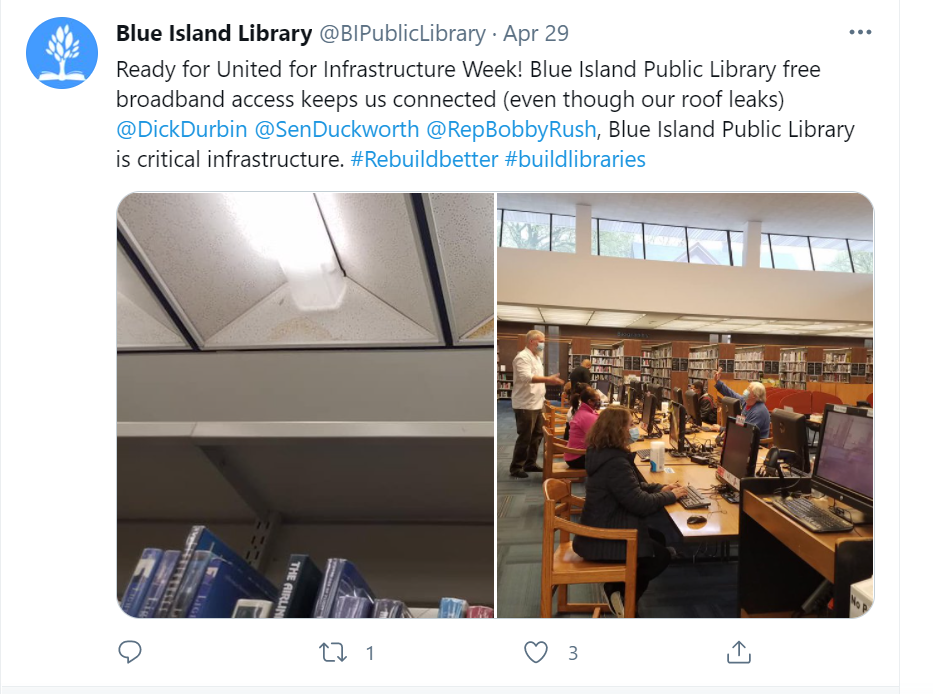
As advocates across the country utilize this week to communicate the importance of infrastructure in our communities, library advocates can share their personal stories to amplify the need for library facilities to be fairly recognized as a critical part of our nation’s infrastructure. The example Tweet below from Blue Island Library in Illinois shows one impactful way to illustrate the need for this designated funding for infrastructure upgrades in your library.

 Ready for United for Infrastructure Week! Blue Island Public Library free broadband access keeps us connected (even though our roof leaks) @DickDurbin @SenDuckworth @RepBobbyRush, Blue Island Public Library is critical infrastructure. #Rebuildbetter

Check out the Build America’s Libraries homepage for more special templates and resources to help spread the word, including an informative template on how to craft compelling social media posts during United for Infrastructure Week.

It Only Takes Two Minutes to Help Build America’s Libraries

Libraries have always been cornerstones of their communities, and during the unprecedented COVID-19 pandemic, they’ve transformed their services to connect people with the resources they need while maintaining social distancing.

But while libraries are among our nation’s important institutions, many are woefully underfunded. New federal legislation would help fix that, providing much-needed upgrades to library infrastructure, especially in the country’s most underserved communities.

Sponsored by Senators Jack Reed (D-RI), Bernie Sanders (I-VT), Sheldon Whitehouse (D-RI), and Ron Wyden (D-OR), the Build America’s Libraries Act would provide $5 billion in funding to repair, modernize, and construct library facilities in the communities that need it most.

Libraries could use the funding for critical projects like upgrading outdated internet services, expanding accessibility for people with disabilities, updating their facilities to be more environmentally sustainable, and improving their protection against hazards like lead, mold, and COVID-19.

Nationally, public libraries have billions of dollars in assessed facilities needs, including more than $1.5 billion of facilities needs in New York, more than $500 million of needs in Illinois, and more than $250 million of needs for libraries in Washington’s rural distressed counties.  Congress hasn’t dedicated federal funding for library facilities in more than 20 years. The Build America’s Libraries Act is an opportunity to provide long overdue support to libraries and the communities they serve.

If the act passes, Institute of Museum and Library Services will distribute funding through state library agencies, which will prioritize assistance to libraries serving marginalized communities. Public libraries, tribal libraries, and state libraries serving the general public would all be eligible for funding support.

It only takes a few moments to contact your representative and senators and ask them to co-sponsor the Build America’s Libraries Act. Just enter your name and information in ALA’s action center, modify the template message if you’d like, and hit send. Your support could help make an impact for America’s libraries and the communities they serve for generations to come.

Contact your legislators today!

Shop These Holiday Gifts to Support Libraries

Searching for the perfect presents for the book lovers in your life? We’ve curated some of the coolest posters, accessories, activity books, and more for readers and librarians.

The best part: the profits from all of these items support the American Library Association (ALA)’s efforts to promote equity and access to information for all. Your purchase helps our nation’s libraries get the resources, training, and funding they need to help their communities thrive.

Here are our top gift picks for 2020:

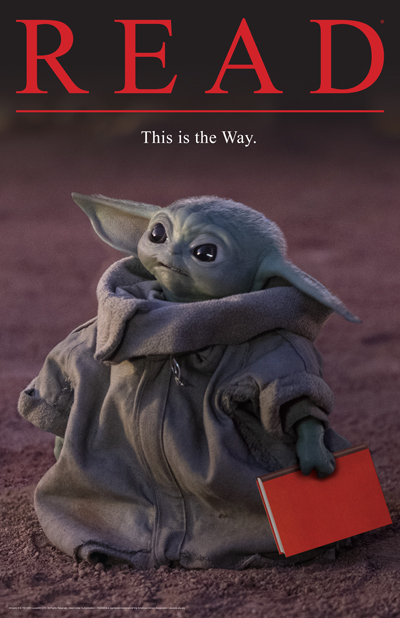
The Child READ® Poster

yoda read poster


Buy from the ALA Store

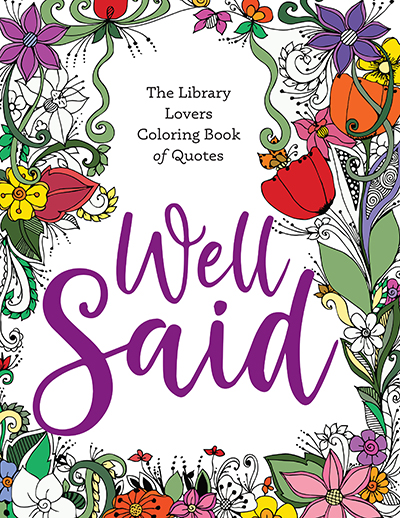
Well Said: The Library Lover’s Coloring Book of Quotes


Buy from the ALA Store. 

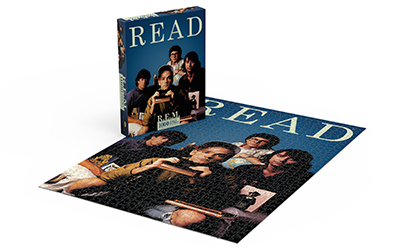
R.E.M. READ Poster Puzzle

REM puzzle

Buy from the R.E.M. Store. 

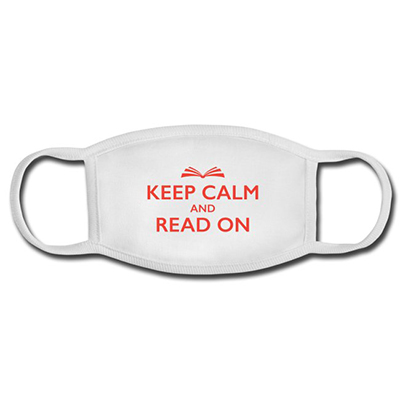
“Keep Calm and Read On” Mask

keep-a-stiff-upper-lip-and-read-on.jpg

keep calm mask photo

Buy from the ALA Graphics Gift Shop. 

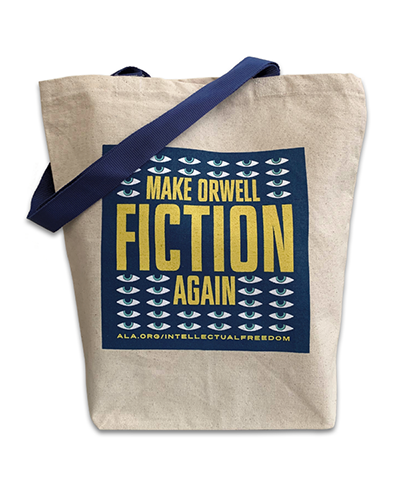
“Make Orwell Fiction Again” Tote Bag

George Orwell tote

Buy from the ALA Store. 

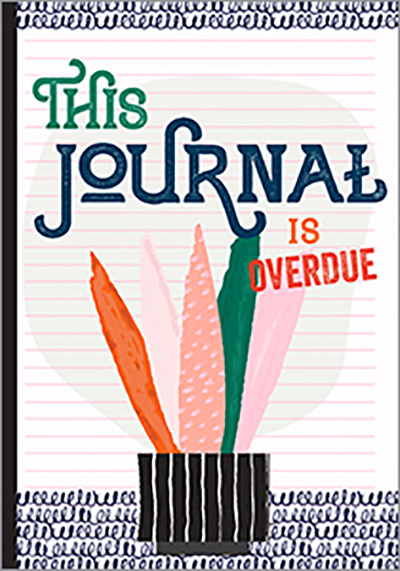
This Journal is Overdue

Buy from the ALA Store. 

“I Love My Library” Tattoo Mason Jar

Buy from the ALA Graphics Gift Shop. 

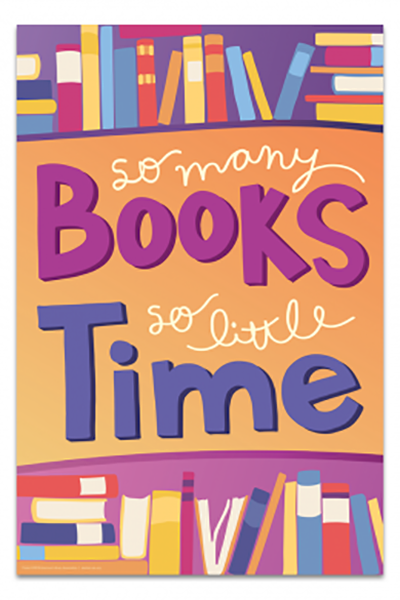
“So Many Books” Poster

Buy from the ALA Store. 

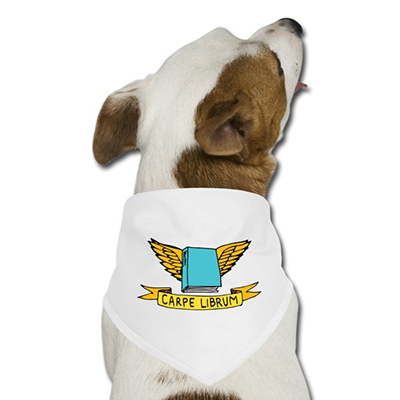
“Carpe Librum” Dog Bandana

Buy from the ALA Graphics Gift Shop. 

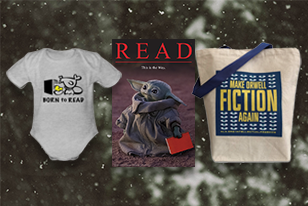
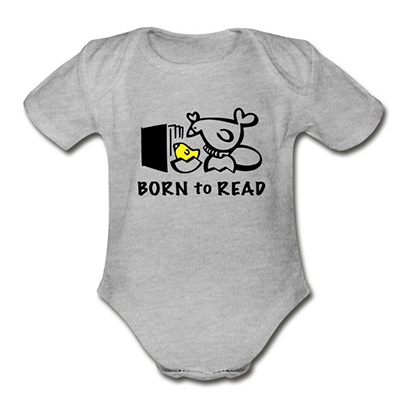
“Born to Read” Baby Bodysuit

baby onesie photo


Buy from the ALA Graphics Gift Shop.

To find more great presents for readers, check out these librarian-recommended book lists and the American Libraries gift guide.

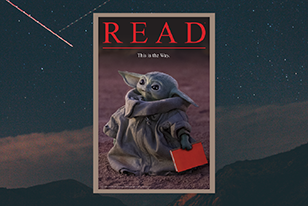
Drop Everything and Look at This Adorable Baby Yoda READ® Poster

For more than thirty years, actors, authors, and musicians have teamed up with the American Library Association’s READ® campaign to promote the joy of literacy. This week, The Mandalorian‘s breakout star The Child-also known as Baby Yoda and Grogu-is joining their ranks with his very own celebrity READ® poster.

Back in the early 1980s, ALA’s Yoda READ® poster graced the walls of libraries and schools across the country, reminding Star Wars fans that The Force is strong in those who read books. Over the years, other franchise fan favorites like C-3PO, R2-D2, and Princess Leia also starred in posters promoting libraries. (Pro tip: while the original Yoda poster is no longer for sale, you can still buy it on shirtsmugs, and notebooks from Out of Print.)

In addition to the poster, you can also purchase bookmarks featuring The Child from the ALA Store. These items make perfect gifts for readers and Star Wars fans of all ages.

The best part? Proceeds from the items’ sales fund the American Library Association’s work supporting for our nation’s libraries. Your purchase helps ALA keep libraries strong through advocacy, grants, and training that promote access to information for all.

The poster and bookmark set featuring The Child are on sale now.

Here’s How You Can Support Internet Access for All

During the COVID-19 pandemic, people everywhere are turning to the web for school, work, and community-but for the 33 million U.S. households without a home internet connection, getting online isn’t so simple. Since lockdown began in March 2020, libraries have gotten creative to promote digital equity and access; supporting the American Library Association (ALA) is a powerful way to ensure that even more people in need can get online.

Americans have long relied on their libraries for access to the internet. When COVID-19 first hit the United States early this year, libraries sprung into action to keep their communities connected even when their doors were closed to the public. Many libraries loaned out mobile hotspot devices to those in need, and an amazing 93% of libraries reported leaving their Wi-Fi on so that people could connect to the internet from their parked cars. Plus, librarians have been sharing their technological expertise with their communities, offering personalized assistance to those who need help navigating digital access during the pandemic.

Throughout this unprecedented year, the American Library Association has been hard at work advocating for libraries to get the resources they need to continue bridging the digital divide. Thanks to ALA and other library advocates, the U.S. Coronavirus Aid, Relief, and Economic Security Act (CARES) Act included $50 million of funding to the Institute of Museum and Library Services for digital inclusion projects. And looking ahead, ALA will continue to push for a federal COVID relief package that includes much-needed funding for our nation’s libraries.

You can help make internet access for all a reality by donating to ALA. Your gift will support training, resources, and advocacy for libraries to champion digital equity in their communities.

8 Products for Fighting Censorship in Style

It’s Banned Books Weekthe annual celebration of the freedom to read! Books, resources, and programs are still being threatened with censorship in libraries and schools. Thankfully, library workers, educators, and readers are rallying together year-round to protect their communities’ First Amendment rights.

Take a stand against censorship with these cool shirts, mugs, and more from the American Library Association. The best part? All sales support ALA’s work defending and promoting the right to access information.

Here are some of our favorite products:


Find Your Freedom to Read Sweatshirt

I Read Banned Books Rainbow Face Mask

Free Your Mind Banned Books Bracelets

Words Have Power Hoodie

Speak Out for Banned Books Buttons

Make Orwell Fiction Again T-Shirt

Make Orwell Fiction Again Tote

Discover What You’re Missing Mug (watch redactions disappear with hot liquid!)

Find even more designs at the ALA Store and ALA Graphics Gift Shop. Free shareable materials are also available on ALA’s Banned Books Week website.

Celebrate Banned Books Week by Fighting Censorship

Banned Books Week is here, a time to stand up for everyone’s freedom to read. Librarians, teachers, authors, and more are coming together to push back against censorship-will you join the fight for intellectual freedom?

Even in 2020, schools and libraries still face pressure to remove controversial titles from their bookshelves and reading lists. Materials that deal with important topics like gender, sexuality, race, and mental health are particularly likely to face censorship; eight out of the ten most frequently challenged books of 2019 were targeted for their LGBTQIA+ content. And books aren’t the only resources at risk of censorship in libraries and schools: programs, book displays, and more also attract complaints from patrons who find them objectionable.

Some book challenges are highly public (like when a Tennessee Catholic school made national news for banning the Harry Potter novels), but many slip by under the radar-your library may be facing censorship attempts as we speak. Libraries and educators need support from their communities to help ensure everyone’s freedom to read without judgment or restriction.

There are plenty of ways to join the movement during Banned Books Week and beyond. The #BannedBooksWeek in Action challenge is full of fun, empowering activity suggestions for each day of the week, from writing an op-ed in your local paper to recording a video of yourself reading from a banned book. Participants are encouraged to share what they’re up to on social media using the hashtag #BannedBooksWeek.

You can also get involved by participating in the Dear Banned Author campaign, which invites readers to write letters of support to their favorite banned or challenged authors. For writers facing frequent censorship, these messages are a powerful reminder of how much their words matter. You can reach out via email, social media, or snail mail; the Dear Banned Author webpage is full of free tools like postcard templates and author addresses. Plus, if you share your #DearBannedAuthor story on Twitter during Banned Books Week, you’ll be entered for a chance to win a grab bag of awesome intellectual freedom swag.

Ready to join the celebration? Visit the Banned Books Week website for more information and ideas.

Follow Banned Books Week on Facebook and Twitter for the latest news and updates.