Who You Gonna Call? Libraries and Open Access Are Busting Misinformation Ghosts

Within the walls of the library, or more often now, behind the authentication screen, is expertly researched and peer-reviewed scholarly literature that can help anyone make important decisions about their health or habits or inform their understanding of complex social problems. Unless you have a university login, however, you may not be able to access that scholarship or use it to improve your personal and professional life. Even those fortunate enough to have institutional access can’t get everything, not even at the richest universities.

New Data Shows Record Surge of Book Challenges in Public Libraries

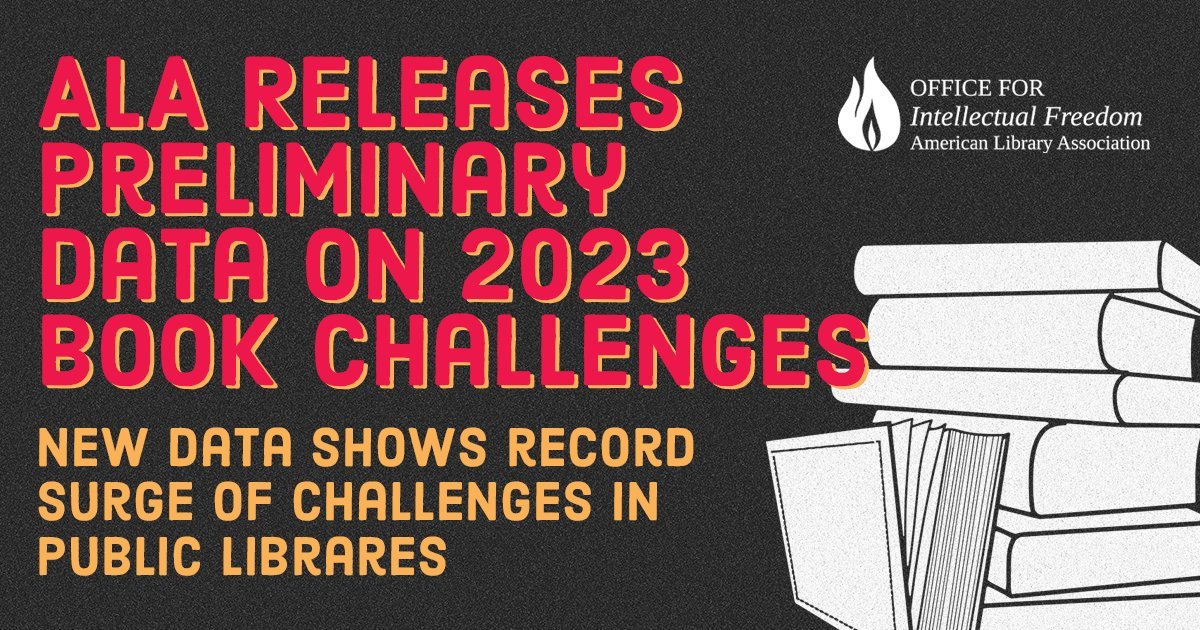
On September 20, the American Library Association (ALA) released new preliminary data that documents the continued rise in attempts to censor books and materials in public, school, and academic libraries during the first eight months in 2023. The data shows that, between January 1 and August 31, 2023, ALA’s Office for Intellectual Freedom reported 695 attempts to censor library materials and services and documented challenges to 1,915 unique titles. The number of unique titles challenged has increased by 20% from the same reporting period in 2022, the year in which the highest number of book challenges occurred since ALA began compiling this data more than 20 years ago.

ALA Condemns Violence at U.S. Libraries

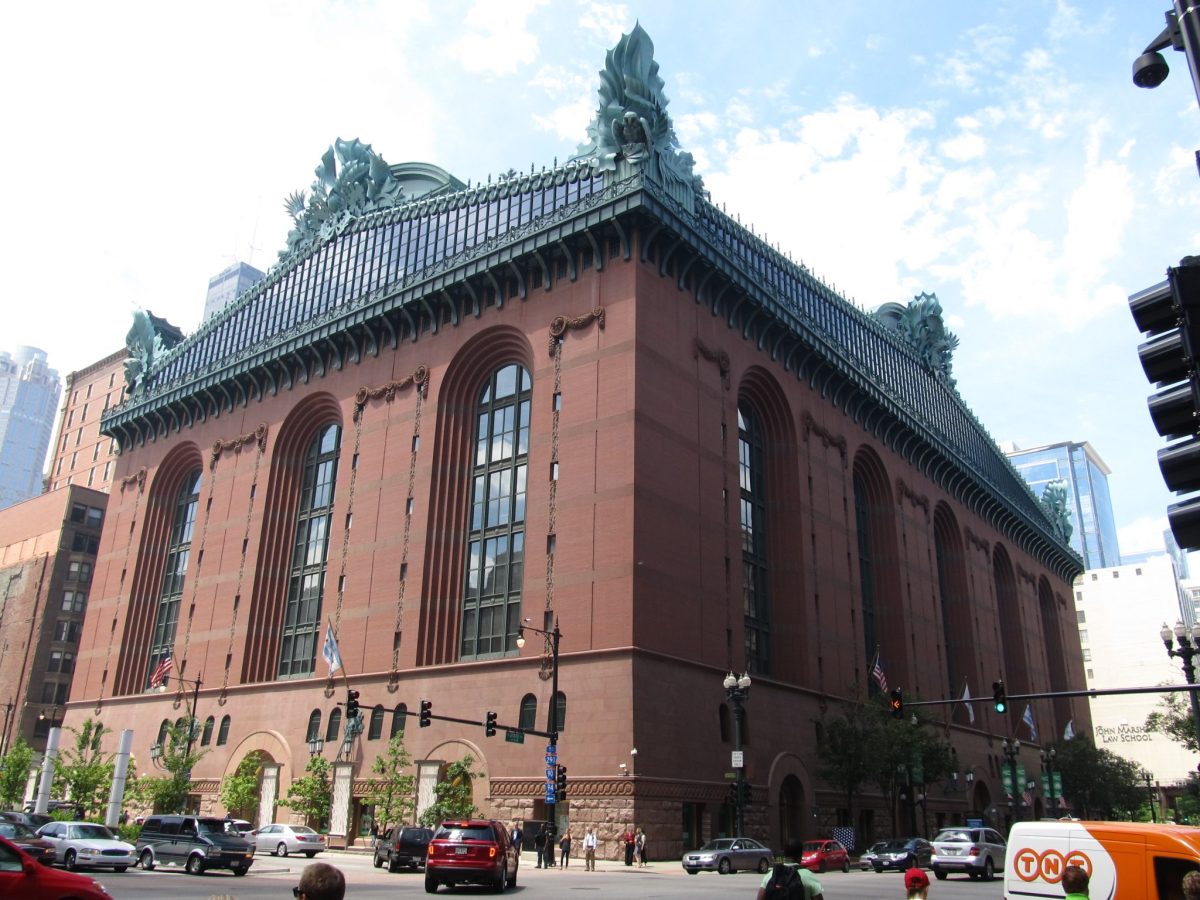
On September 12, libraries in Chicago and neighboring Aurora, Addison, and Evanston, Illinois, received bomb threats. After investigations, no explosive devices were found at the libraries, but some of the facilities were evacuated and remained closed for the day.

The threats are part of an increase in violence targeted at libraries and librarians across the U.S.  The American Library Association has released a statement condeming the actions.

California Governor Pens Love Letter to Libraries

We’re still buzzing from National Library Week (NLW), which wrapped on Saturday, April 29. The awareness, advocacy, and love for libraries, librarians, and library workers that we saw throughout the country was outstanding. While it would be a near-impossible task for us to highlight every single way that libraries were championed during NLW 2023, one instance stood out for us.

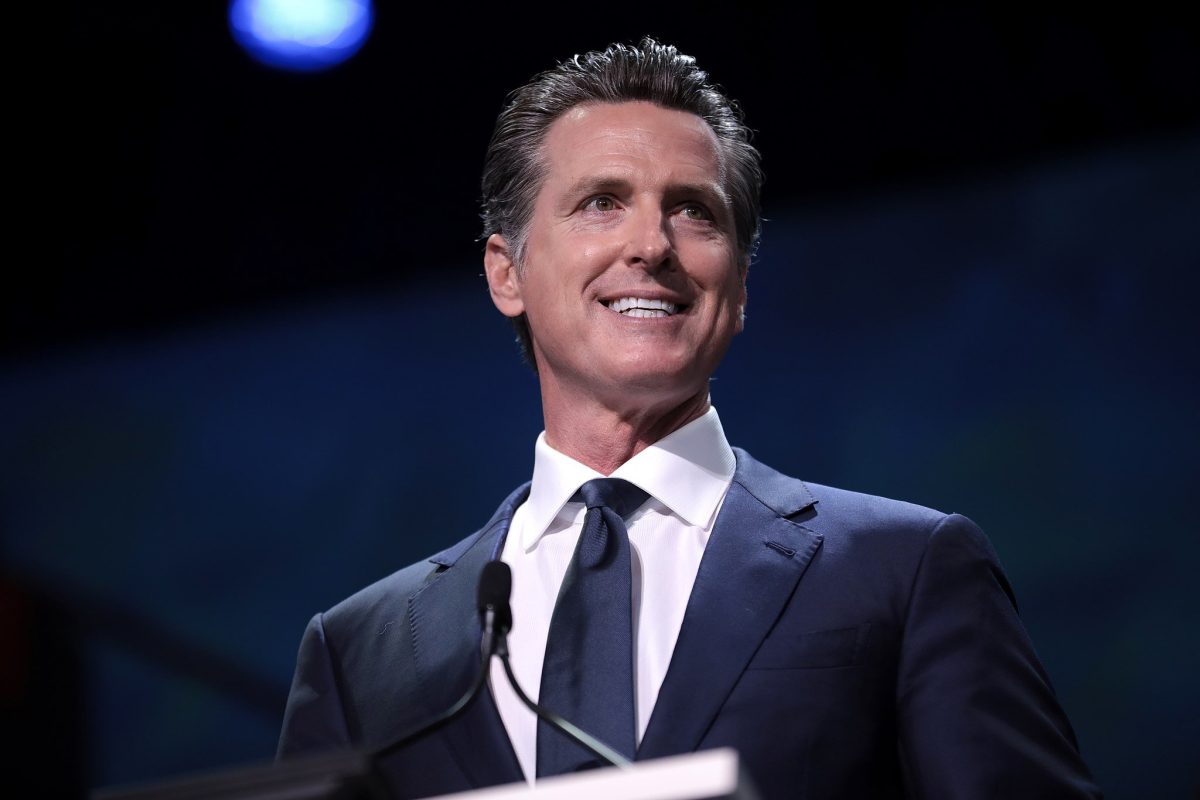
In addition to officially proclaiming April 23-29, 2023, to be “California Library Week,” California Governor Gavin Newsom penned a love letter to the “nation’s hardworking librarians” at the close of NLW, thanking them for their service and for changing the lives of people everywhere-himself included. We’d be lying if we said the letter didn’t bring a tear to our eyes. Here it is, in full.


To our nation’s hardworking librarians-

You share words with the world, and as we close out National Library Week, I want to share two words with you: Thank you.

In my childhood, I struggled with undiagnosed dyslexia. Books and words weren’t just difficult to read-they felt entirely out of reach. Without them, my world was far smaller than it could have been: I avoided classrooms and libraries for reasons I couldn’t fully understand or articulate. But as I grew, my world did too. Through support, advice, and mentorship from specialists, educators, and librarians too numerous to list, I didn’t just fall in love with words… my life started revolving around them. Because people-people like you-took the time to care about me, to show me the power of words and the power of books, I was able to find my footing in business, service, and eventually, elected office. I am in your debt.

You helped get me here. And my story isn’t unique. Librarians change lives every day. Your impact goes far beyond book recommendations (although, you have recommended many great books over the years). You help us start new chapters at every stage of our lives, showing us the magic of reading as children, and teaching us new skills in our golden years. You are the heart of our communities, providing a way out and a way up for those unsure of where they’re going-including those who are unhoused, unemployed, or simply looking for a new path.

You guard the sanctity of our pasts, good and bad, as you shepherd the possibilities of our tomorrows.

And yet, despite your indispensable contributions-or perhaps because of them-you have become the target of unjust attacks across the nation. Idealogues and demagogues are attacking you for championing diversity, inclusion, and equity-for making sure our children and all people belong. You are facing censorship, battling record numbers of book bans and challenges, as you defend free access to literary works, especially those written by authors who are often targeted: LGBTQ+ writers, writers of color, and those daring to challenge the status quo.

It is more important than ever that we have your back and that we ensure and expand access to public libraries and defend your essential role in preserving freedom. We must refuse to dabble in the zealotry of whitewashing literature and banning books. And in California, we are. Together, we’ve accomplished some incredible things: investing hundreds of millions to equitably improve and modernize your workplaces; working to preserve and share our historically and culturally significant materials by investing in library digitization; renovating and enhancing the Jewish Family and Children’s Services Holocaust Center Library and Archives building; expanding and diversifying our library resources to promote health and wellness and reflect our multilingual and multicultural communities; and beyond. We’ve even worked with Dolly Parton to establish a Statewide Imagination Library.

In California, we know libraries hold more than books-so much more. Libraries, and librarians, stand at the crossroads of opportunity and information, acting as gateways to online job training and educational upskilling programs; to state parks by enabling people to check out a parks pass, regardless of income; and to food through free lunch programs. And above all else, our library walls hold the most valuable treasure: you.

So, I will continue to stand up for you – and stand up to those that get in your way. California has your back, because you’ve always had ours. You’ve always had mine.

I know from my own challenges with dyslexia that when we help people read, we help them succeed. You do that every day. The value of a librarian is inestimable-you go beyond books, and even beyond knowledge. You open the doors to possibility. To opportunity, imagination, and the pursuit of freedom. I’ve experienced it firsthand.

This National Library Week, and always, thank you.

In gratitude,

Gavin Newsom

Governor of California


Thanks to Governor Newsom-and many other governors and state leaders-for celebrating and providing incredible visibility for libraries during NLW. Keep the love going throughout the year!

Photo: Gage Skidmore, via Wikimedia Commons

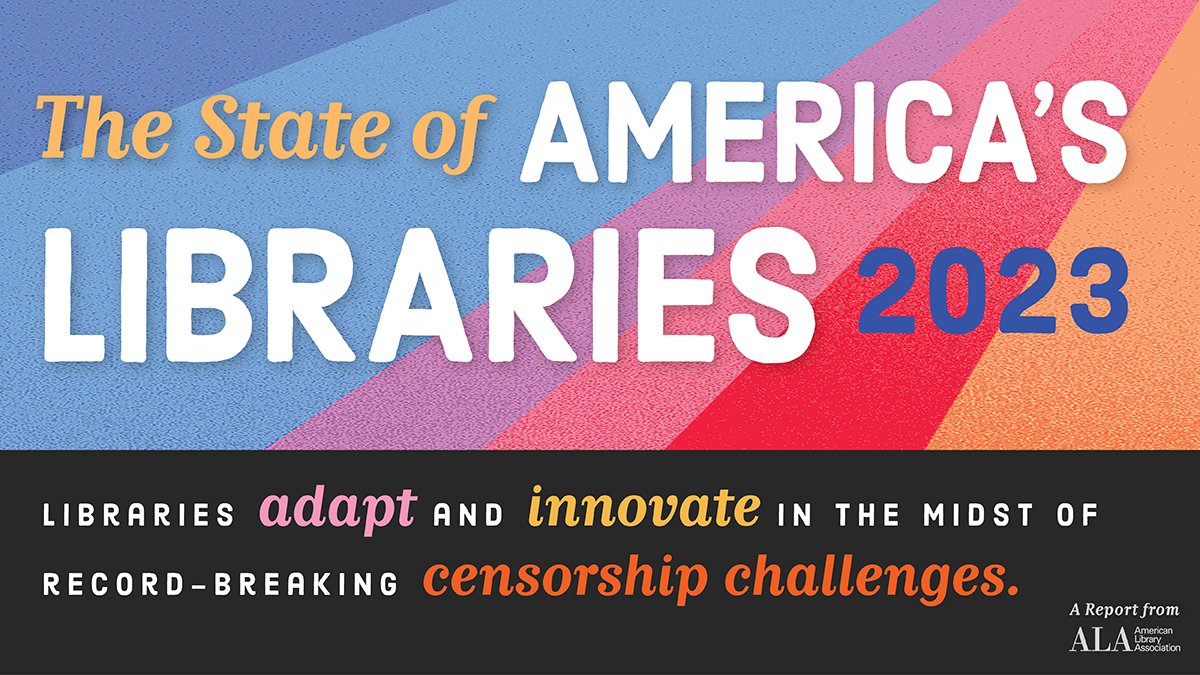
Adaptation and Innovation in a Time of Censorship: The State of America’s Libraries 2023

Today, the American Library Association (ALA) kicked off National Library Week with the release of the State of America’s Libraries Report, which tells the story of how libraries are innovating and adapting to improve the well-being of their communities in the midst of censorship challenges. It also includes the highly anticipated list of the most challenged books of 2022.

Expanding on the theme of National Library Week 2023-“There’s More to the Story”-the report chronicles how libraries of all types provided access to broadband and phones to patrons in need; offered unique science instruction using digital beehives; helped communities experiencing food insecurity; aided in small business efforts; brought libraries services to incarcerated individuals; and so much more.

The report’s findings on the rising tide of book censorship in the U.S. are alarming. Libraries in every state faced unprecedented attempts to ban books. In 2022, ALA tracked the highest number of censorship reports since the Association began compiling data about library censorship more than 20 years ago. ALA’s Office for Intellectual Freedom tracked 2,571 unique titles targeted for censorship, a 38% increase from the 1,858 unique titles targeted in 2021. Most of the targeted books were written by or about members of the LGBTQIA+ community and people of color.

Book bans on the rise

The report’s most challenged book list reflects 2022’s increase in censorship. Multiple books received the same number of challenges, resulting in the expansion of the list from its usual 10 titles to 13. The most challenged books of 2022-and the reasons behind their challenges-are:

  1. Gender Queer by Maia Kobabe
    Reasons: LGBTQIA+ content, claimed to be sexually explicit
  2. All Boys Aren’t Blue by George M. Johnson
    Reasons: LGBTQIA+ content, claimed to be sexually explicit
  3. The Bluest Eye by Toni Morrison
    Reasons: depiction of sexual abuse, claimed to be sexually explicit, EDI content
  4. Flamer by Mike Curato
    Reasons: LGBTQIA+ content, claimed to be sexually explicit
  5. (TIE) Looking for Alaska by John Green
    Reasons: Claimed to be sexually explicit, LGBTQIA+ content
  6. (TIE) The Perks of Being a Wallflower by Stephen Chbosky
    Reasons: Claimed to be sexually explicit, LGBTQIA+ content, depiction of sexual abuse, drugs, profanity
  7. Lawn Boy by Jonathan Evison
    Reasons: LGBTQIA+ content, claimed to be sexually explicit
  8. The Absolutely True Diary of a Part-Time Indian by Sherman Alexie
    Reasons: Claimed to be sexually explicit, profanity
  9. Out of Darkness by Ashley Hope Perez
    Reasons: Claimed to be sexually explicit
  10. (TIE) A Court of Mist and Fury by Sarah J. Maas
    Reasons: Claimed to be sexually explicit
  11. (TIE) Crank by Ellen Hopkins
    Reasons: Claimed to be sexually explicit, drugs
  12. (TIE) Me and Earl and the Dying Girl by Jesse Andrews
    Reasons: Claimed to be sexually explicit, profanity
  13. (TIE) This Book is Gay by Juno Dawson
    Reasons: LGBTQIA+ content, sex education, claimed to be sexually explicit

“By releasing the list of Top 10 Most Challenged Books each year, ALA recognizes all of the brave authors whose work challenges readers with stories that disrupt the status quo and offer fresh perspectives on tough issues,” said ALA President Lessa Kanani’opua Pelayo-Lozada. “The list also illustrates how frequently stories by or about LGBTQ+ persons, people of color, and lived experiences are being targeted by censors. Closing our eyes to the reality portrayed in these stories will not make life’s challenges disappear. Books give us courage and help us understand each other.

Join the fight

It’s time to take action on behalf of authors, library staff, and the communities they serve. ALA calls on readers everywhere to show your commitment to the freedom to read by doing something to protect it.”

In response to the uptick in book challenges and other efforts to suppress access to information, ALA has designated every Monday of National Library Week moving forward as Right to Read Day, a day of action that encourages communities to fight back against censorship and to protect and celebrate the right to read freely. This year’s National Library Week also marks the one-year anniversary of the launch of Unite Against Book Bans, a nationwide initiative that empowers readers everywhere to stand together in the fight against censorship. More information is available at uniteagainstbookbans.org.

Supporting Ukraine

Today is the Independence Day of Ukraine. But despite the celebration, Russia’s invasion of the country persists, entering its sixth month this week. The war has affected people globally, including American librarians and their work. The latest episode of the Call Number with American Libraries podcast looks at how the library profession is supporting Ukraine.

First, Call Number host Diana Panuncial speaks with Kristin Parker, lead curator and manager of the arts at Boston Public Library, who is part of a network of first responders working to preserve Ukraine’s cultural history and provide preservation advice to library workers on the ground.

Next, American Libraries Editor and Publisher Sanhita SinhaRoy speaks with Michael Dowling, director of the American Library Association’s (ALA) International and Chapter Relations Office, about ALA’s Ukraine Library Relief Fund and how donations are being used.

Finally, Panuncial talks to Millicent Mabi, director of community engagement and programming at Regina Public Library (RPL) in Saskatchewan, about how RPL is helping Ukrainian refugees-from teaching them English to improving their literacy to connecting them with community resources.

How to help

Library and book lovers who want to help the Ukrainian library community are encouraged to donate to the ALA Ukraine Library Relief Fund. Established by ALA in collaboration with the Ukrainian Library Association (ULA), the fund will gather donations for the Ukrainian library community as they face the challenges of war.

Funds raised by the ALA Ukraine Library Relief Fund will help purchase computers, software, and other resources. Donations will also help support immediate repair needs such as glazing windows and fixing roofs damaged by bombing to keep libraries open. ULA will provide small amounts of support for librarians and library workers who are in harm’s way, wounded, or displaced and need of financial assistance. Donations to the ALA Ukraine Library Relief Fund can be made directly via credit card or by check made out to the American Library Association with a notation that it is for Ukraine. ALA will send donations to ULA once a month.

Photo by Adam Śmigielski on Unsplash.

You Can Help Ukraine’s Libraries

Library and book lovers who want to help the Ukrainian library community are encouraged to donate to the ALA Ukraine Library Relief Fund. Established by the American Library Association (ALA) in collaboration with the Ukrainian Library Association (ULA), the fund will gather donations for the Ukrainian library community as they face the challenges of war.

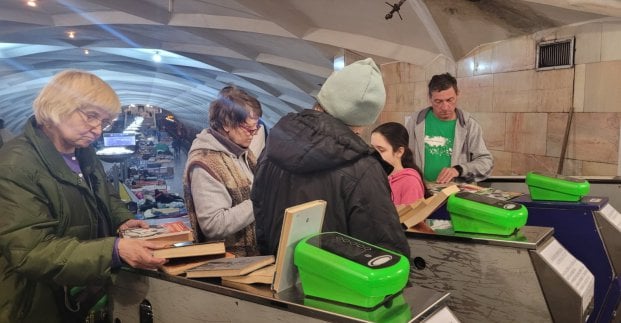
Dozens of libraries in cities and towns throughout Ukraine have been severely damaged or destroyed since the beginning of Russian aggression. Ukrainian librarians have kept libraries open for as long as possible and are improvising to bring services to people. In Kreminna, the city library offered services a couple of hours a week as street fighting raged. And in Kharkiv, librarians organized a pop-up library in the metropolitan transit system where families were taking shelter.

Kharkiv Metropolitan Library organized a pop-up library in the metro station where families were taking shelter. Photo: Ukrainian Library Association

Kharkiv Metropolitan Library organized a pop-up library in the metro station where families were taking shelter. Photo: Ukrainian Library Association

In addition to the destruction and damage of libraries in the war zones, there are significant challenges serving people displaced by the fighting. Libraries do not have enough computers for displaced people to use to communicate with relatives or for job seeking, online learning, and more.

Funds raised by the ALA Ukraine Library Relief Fund will help purchase computers, software, and other resources. Donations will also help support immediate repair needs such as glazing windows and fixing roofs damaged by bombing to keep libraries open. ULA will provide small amounts of support for librarians and library workers who are in harm’s way, wounded, or displaced and need of financial assistance. 

“The Ukrainian Library Association expresses our sincere gratitude to the American Library Association and American library community for the unity and support of Ukraine and Ukrainian librarians,” said ULA President Oksana Brui. “We highly appreciate your efforts to raise funds for rebuilding and reconstruction of Ukrainian libraries and supporting library services during and after the Russian aggression.”

Donations to the ALA Ukraine Library Relief Fund can be made directly via credit card or by check made out to the American Library Association with a notation that it is for Ukraine. ALA will send donations to ULA once a month.

Every Day is Earth Day at the Library

Today is Earth Day, but did you know that libraries around the country celebrate it on a daily basis? Libraries play an important and unique role in promoting community awareness about resilience, climate change, and a sustainable future. In acknowledgement of this, the American Library Association (ALA) adopted sustainability as a core value of the library profession in 2019. As Rebekah Smith Aldrich, executive director of the Mid-Hudson Library System in Poughkeepsie, New York, said at ALA’s 2020 Midwinter Meeting and Exhibits:

“There is nothing bigger in this world today than climate change,” she said. “This will be getting worse, if we don’t change things. It can’t be something that happens just on Earth Day-it has to be ongoing.”

This Earth Day, let’s look at how some libraries are leading by example by taking steps to reduce their environmental footprint and promote sustainability.

  • Park City (Utah) Library has opened a new Sustainability Resource Center. Located in the middle of the library’s first floor, the center features an EcoPower bike, a rotating display of books and information on different sustainability themes, a cabinet of sustainability-related books for children, teens, and adults, a Green Wall and indoor herb and vegetable garden, and seed and tool libraries.
  • Cranford (N.J.) Library was awarded $1,000 to establish a Native Seed Library for Union County from New Jersey American Water (NJAW). The library aims to establish a collection of seeds native to the area to preserve and maintain local biodiversity. Union County residents can stop by the library and pick up seeds at no cost. Educational materials on planting, maintaining and gathering new seeds from the plant will be included. 
  • UMass Amherst Libraries have announced the winners of the 2022 Undergraduate Sustainability Award which promotes in-depth understanding of sustainability topics, research strategies, and the use of library resources, providing participating students with vital skills they will carry into future academic and vocational endeavors. The five winners received $800 scholarships. The winning topics included “What Has Fast Fashion Got to Do with Sustainability?,” “Urban Greening Techniques in U.S. Cities:  Public Welfare or Social Warfare?,” “Urban Greening Techniques in U.S. Cities:  Public Welfare or Social Warfare?,” “Community Food Action Plan,” and  “Toto, We’re Not in Hadley Anymore!: Environmental, Economic, and Cultural Complexities Surrounding the Adoption of No-Till Farming on Large-Scale Farms.”
  • Staten Island’s newest public library boasts net-zero credentials. New York Public Library, in partnership with the New York City Economic Development Corporation, has just opened the $17 million and LEED Gold-certified Charleston Library, the system’s first Net-Zero Energy library. The design team at ikon.5 architects collaborated with sustainability consultant Atelier Ten to achieve the project’s ambitious energy goals. To that effect, the building deploys an entirely electric, non-carbon producing system. Further measures to enhance overall performance include glass-bead blasted, and perforated, stainless steel vertical louvers positioned to address solar gain at the most heat intensive times of the year. In the building interior, MEP Engineer Kohler Ronan Consulting Engineers inserted a suite of high-performance features, such as a perimeter radiant heating system and expanded demand control ventilation for each room within the library, as well as a variable refrigerant flow HVAC system with energy recovery.

Read more about library sustainability efforts at ALA’s Sustainability Round Table and at American Libraries.

Earth Day Flag image: John McConnell (flag designer), NASA (Earth photograph), public domain, via Wikimedia Commons.

A Snapshot of America’s Libraries in 2021

On April 4, the American Library Association (ALA) released the State of America’s Libraries Special Report: Pandemic Year Two, a snapshot of the library community’s resilience, determination, and innovation in unprecedented circumstances. The report, which comes out annually during National Library Week, highlights how US libraries navigated the second year of the pandemic, an upswing in book challenges and banning across the country, and innovative ways that libraries met community needs.

Censorship at an all-time high

Library staffers in every state faced an unprecedented number of attempts to ban books in 2021, the report finds. ALA’s Office for Intellectual Freedom tracked 729 challenges to library, school, and university materials and services, resulting in more than 1,597 individual book challenges or removals. Most targeted books were by or about Black or LGBTQIA+ persons. These are the 10 most-targeted books.

“The 729 challenges tracked by ALA represent the highest number of attempted books bans since we began compiling these lists 20 years ago,” said ALA President Patricia “Patty” Wong in an April 4 statement. “We support individual parents’ choices concerning their child’s reading and believe that parents should not have those choices dictated by others. Young people need to have access to a variety of books from which they can learn about different perspectives. So, despite this organized effort to ban books, libraries remain ready to do what we always have: make knowledge and ideas available so people are free to choose what to read.”

Additional key findings

  • As libraries pushed back against attempts to censor diverse books, they also got more innovative about supporting equity, diversity, and inclusion efforts in their communities by prioritizing EDI-specific programming.
  • The Library of Congress replaced the subject headings “aliens” and “illegal aliens” with the new headings “noncitizens” and “illegal immigration.” 
  • As COVID-19 vaccinations became available, libraries helped their communities navigate the complex online appointment system. Some libraries offered “vaccine hunting” services and some even served as vaccination sites and distributed free testing supplies.
  • More than half of public libraries report circulating technology, including laptops, hotspots, and tablets, for off-site use.
  • More than half of public libraries report providing streaming programs, including storytimes and author events.
  • The FCC estimates that 14.5 million Americans lack broadband internet access, but the real number may be higher.
  • More than 34% of libraries, including those in rural areas, cannot improve bandwidth because faster speeds are not available.
  • More than 88% of all public libraries offer formal or informal digital literacy programming.
  • More than one-third (36.7%) of public libraries have dedicated digital literacy and technology programs and training staff.
  • More than one in five libraries provide classes or informal help related to coding, computer programming, robotics, and 3D printing.
  • Americans still prefer print books over ebooks by a margin of 3 to 1 but ebook usage increased by 25-20% in 2021.

To learn more, check out the full State of America’s Libraries Report.

Maus Under Fire

Art Spiegelman is speaking out after his graphic novel Maus was banned by a Tennessee school board last week.

Maus chronicles Spiegelman’s family’s history during the Holocaust, with Jewish characters rendered as mice and Nazis as cats. It was awarded the Pulitzer Prize in 1992-the first graphic novel to win the award.

The 10-member board in McMinn County chose to remove the two-volume book from its 8th-grade language arts curriculum, citing profanity and nudity in the book. The board expressed concern that the expletives were inappropriate for 8th graders and that illustrations showing nudity-which depict Holocaust victims forced to strip during their internment in Nazi concentration camps-were improper.

The US Holocaust Memorial Museum, the Anti-Defamation Leaguethe NAACP, and other groups have criticized the ban, noting the important role the book plays in teaching students about the Holocaust.

Spiegelman told the Washington Post that the banning reflects an issue bigger than his book-which has previously been challenged in California in 2012 and banned in Russia in 2015.

“It’s part of a continuum, and just a harbinger of things to come,” Spiegelman told the Post, adding that “the control of people’s thoughts is essential to all of this.”

Spiegelman says that such school votes strategically aim to limit “what people can learn, what they can understand and think about,” and there is “at least one part of our political spectrum that seems to be very enthusiastic about” banning books.

“This is a red alert. It’s not just: ‘How dare they deny the Holocaust?'” he says. “They’ll deny anything.”

Comics under fire

Spiegelman says that comics are often challenged in educational settings, partly because of the visceral power of visual imagery. Jerry Craft’s New Kid (the first graphic novel to be awarded the Newbery Medal in 2020), Raina Telgemeier’s Drama, and Alison Bechdel’s Fun Home are among the graphic novels that have appeared on challenged-book lists spotlighted during Banned Books Week.

“One of the reasons Maus is so threatening-and one of the reasons [some] educators were trying to protect the idea of teaching it in a curriculum-was that it’s in comics form,” Spiegelman says. The panel-to-panel narrative “makes it easy to remember-the visual component as well as with the underlying thoughts that need to be communicated-because you can go from the past to the present to the future and back and forth, as your eye flits across the page. Kids do it instinctively.”

Silver linings

The controversy hasn’t damped Maus’s popularity. In fact, it’s putting the book into more readers’ hands.

Three different editions of Maus are in the top seven of books on Amazon as of Sunday afternoon, reports Slate. The Complete Maus, which includes the two volumes of the novel, was No. 1 on Amazon’s bestseller list. The first volume of the book was No. 3 on the list, while the second was No. 7. (The Associated Press reports that The Complete Maus was No. 9 on the list and the first volume No. 12 as of Friday evening. No version of the book was even in the top 1,000 of the bestseller list early last week.) And Nirvana Comics in Tennessee said it would hand the book for free to every student in the county. The store initially intended to set up a lending system where students could borrow copies of Maus, but as word of the plan spread, people donated to a GoFundMe campaign and the book’s publishers agreed to sell Maus at a reduced price so it could be donated to students. The store now intends to purchase copies of the book to give to kids across the US. More than $85,000 had been raised by January 31, more than four times the $20,000 goal.

Additional challenges

Maus isn’t the only book to be banned or receive challenges in the US in recent weeks.

Last week, Polk County (Fl.) Public Schools Superintendent Frederick Heid has asked middle and high school librarians to remove 16 books from schools for a review, after receiving complaints from the activist group County Citizens Defending Freedom. Among the books are Drama by Raina Telgemeier, The Bluest Eye and Beloved by Toni Morrison, and The Kite Runner by Khaled Hosseini.

Also last week, Haywood County (N.C.) Superintendent Bill Nolte pulled the book Dear Martin by Nic Stone from a 10th-grade English class after receiving one parent complaint. Nolte said he did not read the book or even obtain a copy prior to making the decision.

The school board of Wentzville (Mo.) School District has removed Toni Morrison’s The Bluest Eye, as well as All Boys Aren’t Blue by George M. Johnson, Fun Home by Alison Bechdel and Heavy by Kiese Laymon, from school libraries following complaints about obscenity, reports the St. Louis Post-Dispatch.

And the list goes on, sadly. If your school or library is experiencing a book challenge, contact the American Library Association’s Office for Intellectual Freedom or your state library association for help.